Bogotá opens temporary rent subsidy applications
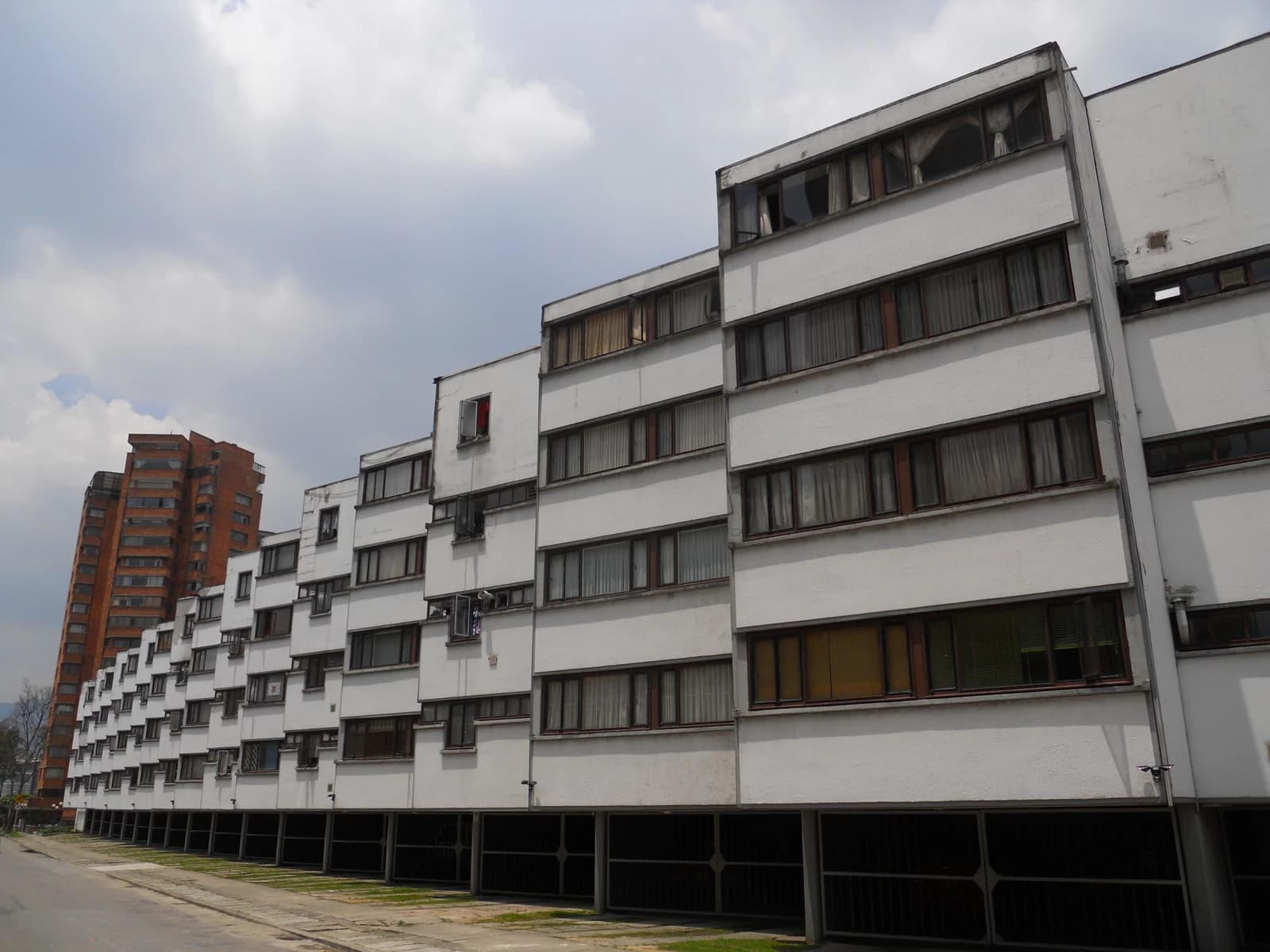
Bogotá has opened applications for a temporary rent subsidy that can pay vulnerable households up to 1,085,561 pesos a month, a targeted response to a housing market where sharply higher rents are squeezing low-income families and threatening tenancy stability.
The program, called Arrendamiento Temporal Solidario, matters because it is aimed at the part of the market least able to absorb a rent shock: households earning no more than one minimum wage, with no home ownership and no prior housing subsidy. In a city where the September rent increase ceiling was set at 31.79%, the subsidy is effectively a pressure valve for renters facing a steep reset in monthly housing costs.
The District is prioritizing groups most exposed to displacement and income disruption, including women at risk of domestic violence or femicide, conflict victims, disaster-affected households, older adults, registered recyclers and ethnic communities. That focus suggests the administration is trying to preserve housing continuity not just as a social policy, but as a way to reduce secondary costs tied to homelessness, emergency shelters and household instability.
The aid can cover a meaningful share of the rent burden for eligible families, although it will not fully offset market stress in the capital’s pricier neighborhoods. Because the benefit is temporary and tied to formal leases in legal, independent units, it also favors the formal rental market over informal rooming arrangements, which could modestly support landlords operating inside the rules while leaving the most precarious tenants outside the program’s reach.
Applications will be accepted in person from Sept. 7 to Sept. 23 at district locations in Suba, Santa Fe, Ciudad Bolívar, Kennedy and Chapinero, with a separate session reserved for victims in Santa Fe. That rollout matters operationally: a face-to-face process can speed document review, but it also creates a filter that may disadvantage households with less time, transport or administrative capacity.
For investors and market watchers, the story is less about direct financial impact than about what it says on the ground in Bogotá: rent inflation is now severe enough to force a more active municipal backstop. The upside case is that targeted subsidies can cushion demand and reduce forced moves; the downside is that without more supply, lower-income renters remain exposed to persistent affordability stress and the policy burden will keep shifting onto public budgets.
| Entity | Gains | Losses |
|---|---|---|
| Vulnerable renters | ▲Temporary rent relief | ▼Out-of-pocket housing stress |
| Bogotá District government | ▲Social stability | ▼Fiscal pressure |
| Formal landlords | ▲More reliable payments | ▼No benefit to informal units |
| Households above eligibility limits | ▲Indirectly, if market pressure eases | ▼No access to subsidy |