The Bank of Korea’s expected move to 2.75% this Thursday is more than a routine rate hike: it signals that South Korea is entering a new tightening cycle just as inflation stays sticky, the won looks vulnerable and policymakers see room for the currency to strengthen further.
BoK Tightening Backs Banks, Pressures Exporters
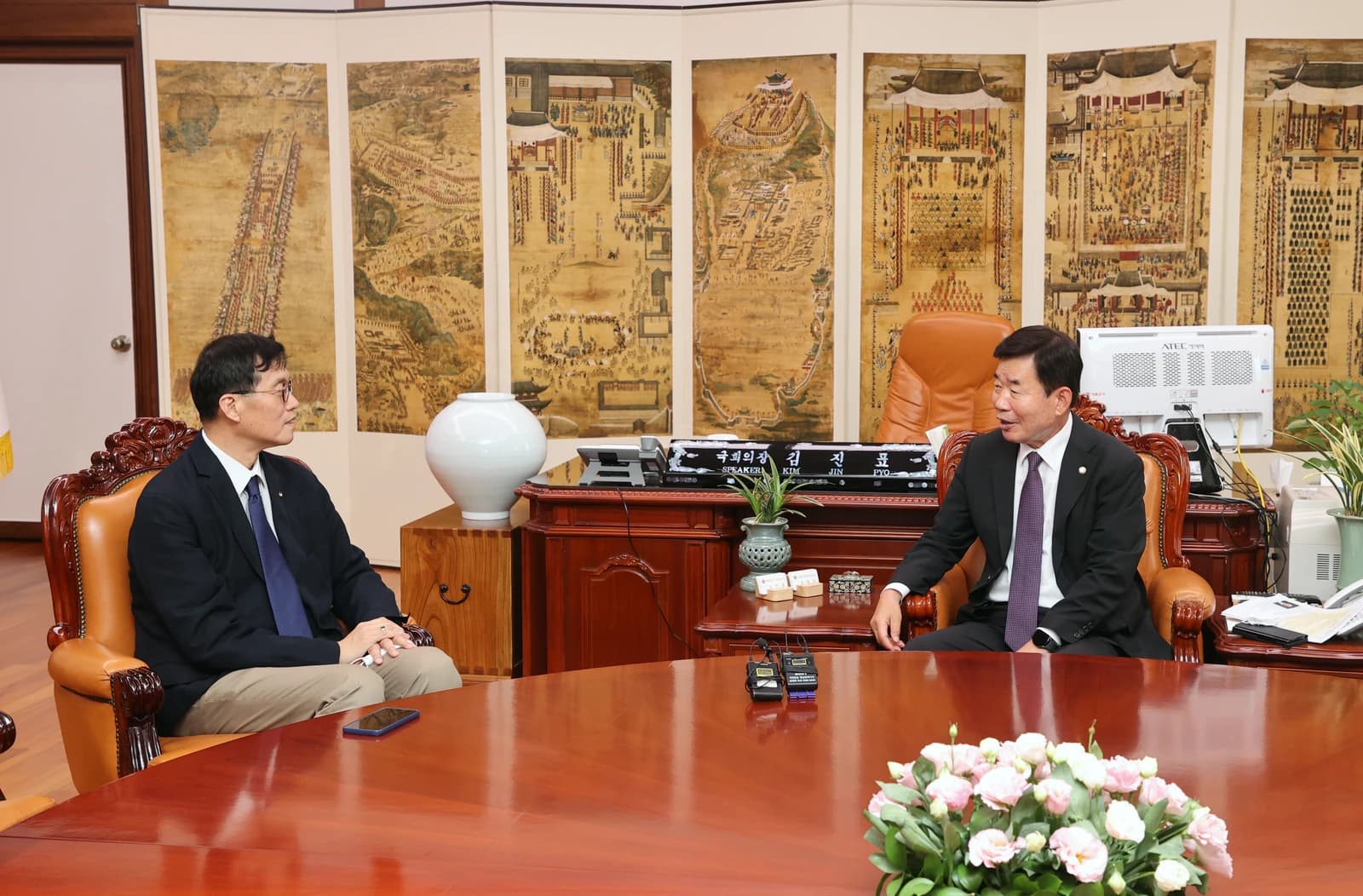
That matters because South Korea is no longer just reacting to imported price pressure from oil; it is trying to lean against a broader inflation problem while preserving the competitiveness of an export-led economy. Governor Shin Hyun-song’s view that the won has substantial room to appreciate, backed by a current account surplus and a powerful export rebound, suggests the central bank thinks the economy can absorb more restraint than many investors had priced in. The market underestimates how quickly policy can turn from defensive to restrictive when the external balance is improving.
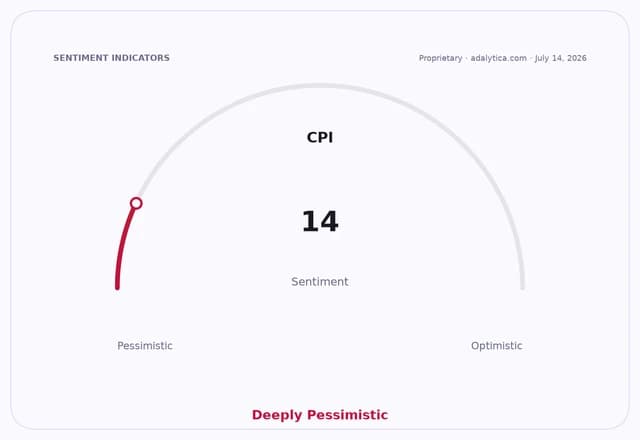
Sentiment IndicatorsⓘProprietary · adalytica.com · July 14, 2026
This is a snapshot — live sentiment, awareness and momentum for 130+ markets update continuously in the dashboard.Open AlphaPulse
The economic backdrop helps explain why. South Korean exports surged 53.9% in the first 10 days of July, led by semiconductors, reinforcing the idea that the country’s trade machine remains one of Asia’s most important growth engines. A stronger export pulse gives the BoK more cover to hike without immediately choking off growth. It also supports the won, which has already been trading near the weaker end of its recent range around 1,490 per dollar, after earlier touching above 1,550 in June. That rebound in the currency is exactly what the central bank wants to see if it is serious about curbing imported inflation.
For investors, the implications are sharper than the headline suggests. Higher rates should be constructive for Korean financials, especially lenders such as KB Financial, which tend to benefit from wider net interest margins when policy rates rise. KB’s shares have responded accordingly, reflecting the market’s expectation that balance-sheet earnings will improve as the policy cycle turns more hawkish. The broader Korea ETF, EWY, has also shown that investors are still willing to chase the country’s macro rebound, even if the fund has pulled back from recent highs as traders digest the prospect of more tightening. Currency sensitivity, however, is now the key risk. A firmer won can help foreign investors by reducing translation losses, but it can hurt exporters if appreciation becomes too fast.
The market is also likely underestimating the second-order effect on capital flows. If the BoK signals another move to 3.00% by year-end, Korea’s yield advantage improves just as global investors remain highly selective about Asia exposure. That can draw money into Korean duration, banks and domestically oriented stocks while pressuring sectors that depend on a weak currency and external demand. In other words, this is not simply a rate story; it is a relative-value story about who wins from a stronger won and who gets squeezed by a higher cost of money.
Our thesis is straightforward: the BoK’s tightening cycle creates an asymmetric opportunity in Korea’s financials and a growing headwind for exporters that have been relying on currency weakness. If the won strengthens as Shin expects, the next leg higher in Korean assets will likely come from banks, insurers and other domestic beneficiaries, while investors should be cautious about chasing export-heavy names that may look stronger operationally than they are in translated returns. Position early, because once the market accepts that 2.75% is not the end of the cycle, Korea’s asset mix will start to reprice fast.
| Entity | Gains | Losses |
|---|---|---|
| KB Financial | ▲Wider net interest margins | ▼Funding costs rise |
| EWY / Korean equities | ▲Policy credibility | ▼Exporter margins |
| South Korean won | ▲Yield support | ▼None if tightening succeeds |
| Exporters | ▲Stronger demand backdrop | ▼Currency appreciation |