Bolivia fuel shortage eases as $84 crude keeps prices high

Bolivia’s acute fuel shortage is beginning to ease, but the relief is unlikely to show up as cheaper pump prices anytime soon because the country is still importing expensive hydrocarbons into a market where global crude has rebounded sharply.
That is the central tension for policymakers, households and investors: the supply crunch may be receding, yet the cost of keeping fuel flowing remains elevated. U.S. crude is forecast at $84.706 a barrel for Aug. 4, down from a recent peak but still high enough to keep pressure on import bills, especially for a fuel-dependent economy with constrained foreign-currency reserves and weaker domestic gas output.
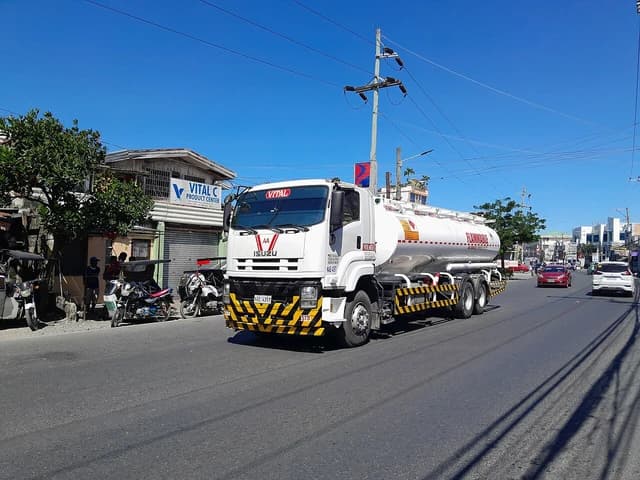
The economic problem is straightforward. Bolivia has to buy fuel abroad at international prices while selling much of it at subsidized domestic rates, a spread that widens when crude rises. That gap strains public finances, drains reserves and creates incentives for smuggling into neighboring markets where fuel is more expensive. The result is a policy trap: easing shortages requires more imports, but each additional barrel bought at global prices deepens the fiscal and balance-of-payments burden.
Oil markets themselves are not offering much comfort. Even after the latest pullback, West Texas Intermediate remains far above the levels that would materially reduce the cost of imported fuel. The price surge in the spring — when U.S. crude briefly topped $150 in the data set — showed how quickly external shocks can overwhelm a small, import-reliant market. More recently, crude has retreated from those extremes, but the move has been uneven, and the forecast rebound above $84 suggests the relief may be temporary.
For investors, the read-through is less about Bolivia alone than about the broader energy trade. Higher crude prices tend to support regional energy producers and oil-linked equities, while weighing on importers, transport costs and inflation-sensitive assets. The XLE energy sector fund has held above its 50-day and 200-day moving averages, reflecting continued support for the sector, while Chevron has also stayed above longer-term trend levels even as its recent momentum has cooled. By contrast, consumers and airlines typically bear the cost when fuel remains expensive.
The macro backdrop is also unfriendly to a quick fix. The U.S. 10-year Treasury yield is sitting near 4.63%, and the federal funds rate remains at 3.63%, leaving financial conditions tighter than in the last oil-price shock cycle. That matters because expensive energy can filter into inflation expectations just as policymakers are trying to manage growth. In Bolivia, where the fuel market is already distorted by subsidies and supply constraints, those external price pressures are even harder to absorb.
The market message is that the worst of the fuel shortage may be passing, but the price problem is not. Unless crude eases materially or Bolivia changes the subsidy structure, the government will keep facing a choice between unpopular price adjustments and a costly continuation of support.
| Entity | Gains | Losses |
|---|---|---|
| Oil producers | ▲Higher realized prices | ▼None from this move |
| Bolivia consumers | ▲Better fuel availability | ▼Higher import-linked prices |
| Bolivia government | ▲Shorter queues, less crisis pressure | ▼Bigger subsidy and reserve burden |
| Energy equities | ▲Support from firm crude | ▼Fuel-intensive sectors |