Bond funds lag inflation as yields rise

Bond funds in the local market have failed to keep pace with inflation over the past year, underscoring how quickly the fixed-income backdrop has turned hostile for savers and forcing investors to rethink the role of debt in portfolios.
The key issue is not simply that returns were weak, but that they were overtaken by price growth. None of the 10 largest local bond funds matched inflation, even though yields on the products ranged from roughly 5% to 8%. That leaves many investors with negative real returns, a sharp reminder that nominal income is not the same as purchasing-power protection.
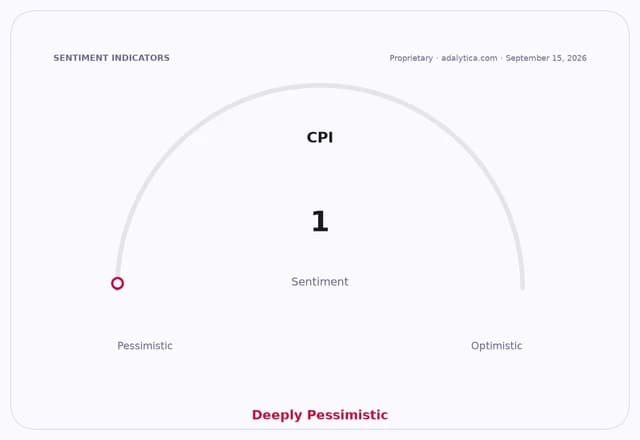
The pressure is coming from a broader rise in interest rates and a stubborn inflation environment. U.S. Treasury yields have moved above 5%, levels not seen in years, while Indian bond yields have also crossed 7%, prompting advisers to favor shorter-duration debt and higher-quality credit. In both cases, the market is repricing the cost of money upward, which raises borrowing costs for issuers and makes it harder for fixed-income funds to generate meaningful total returns.
For investors, the implications are immediate. Bond funds that once served as a defensive anchor are now offering limited shelter against inflation, especially when duration risk is elevated. Longer-dated government bonds have been under pressure, with the U.S. long bond proxy TLT trading around 80.71, below its 50-day moving average of 82.42 and 200-day average of 84.44, a sign that the market still favors caution over duration exposure. Corporate bond funds have held up better, but even investment-grade exposure has not been enough to outpace the rise in consumer prices.
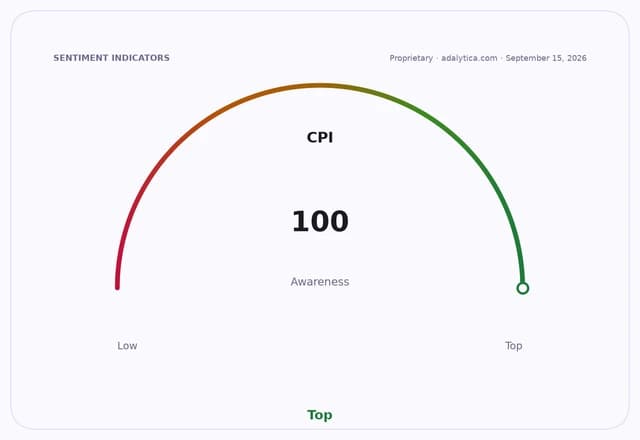
The message for portfolio construction is that income alone is no longer sufficient. Investors are being pushed toward shorter maturities, stronger credit quality and selective exposure to instruments that can better absorb rate volatility. That fits the current advisory playbook in India, where managers are recommending the 3- to 5-year segment and avoiding long-duration paper until inflation and global yields stabilize.
The bear case is that inflation proves sticky and real yields stay elevated, leaving bond funds with another year of subpar purchasing-power returns. The bull case is that central banks eventually succeed in cooling prices, allowing bond prices to recover and locking in higher starting yields for patient investors. For now, the market is still telling fixed-income investors the same thing: yield is back, but protection is not.
| Entity | Gains | Losses |
|---|---|---|
| Short-duration bond funds | ▲Better carry, lower rate risk | ▼Less upside if yields fall |
| Long-duration government bonds | ▲Potential rebound if rates ease | ▼Mark-to-market losses now |
| High-quality corporate bonds | ▲Stronger relative demand | ▼Limited inflation protection |
| Savers/investors seeking real returns | ▲Higher starting yields available | ▼Purchasing power erosion |