Booking and Expedia on Sports Tourism Growth
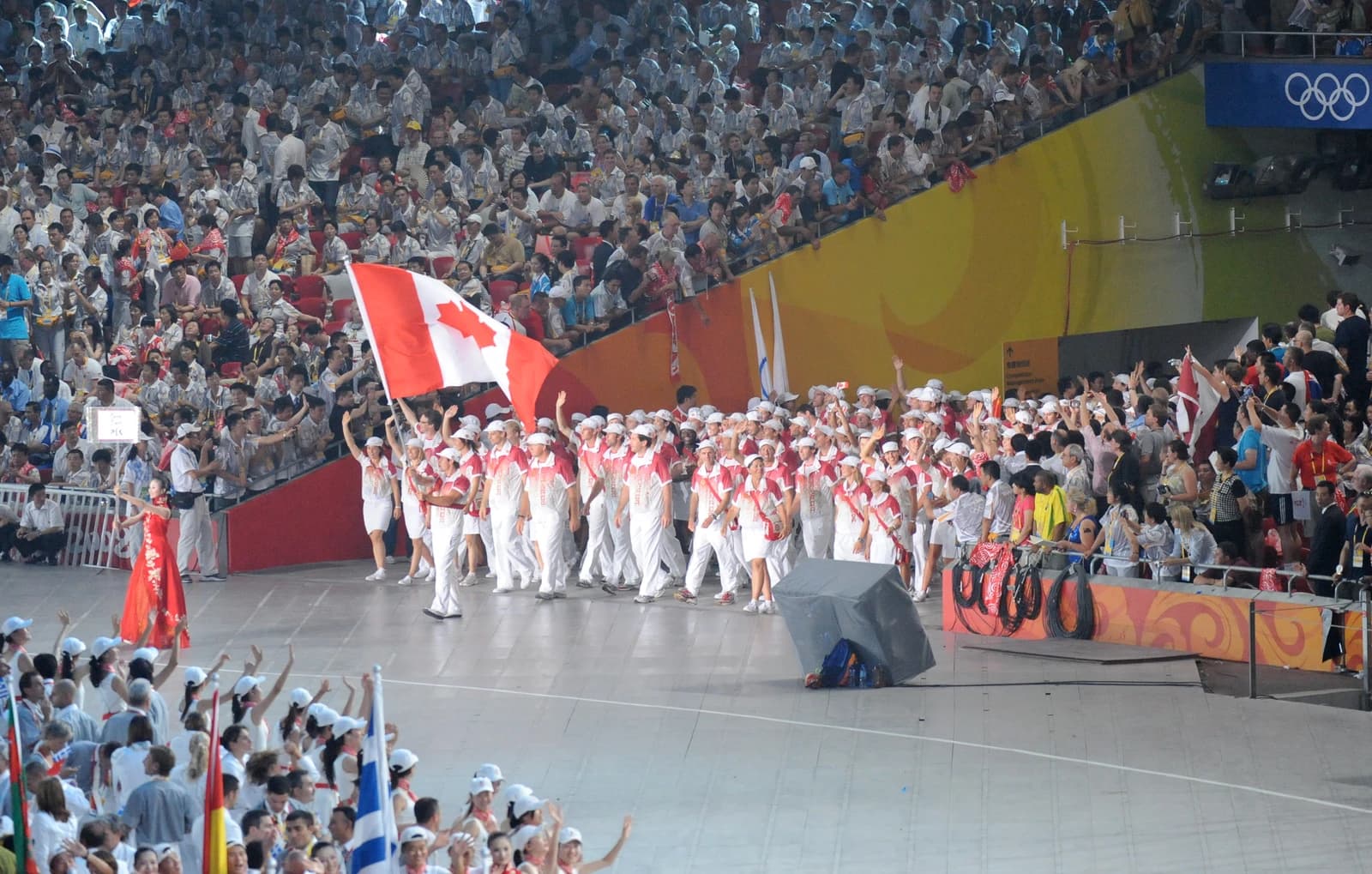
Sports tourism is moving from niche to mainstream, and the market is underestimating how powerfully that shift can reshape travel spending, hotel demand and booking behavior.
The clearest signal is that travelers are no longer building trips around a city and hoping for something to do once they arrive. They are increasingly choosing a destination because a game, tournament or live event is the anchor — then layering museums, nightlife and sightseeing around it. That matters because event-driven travel tends to be higher-intent, more bookable in advance and more willing to pay up for convenience, precisely the kind of demand that favors online travel platforms and packaged experiences.

The trend is already visible in the United States, where French audience for American sports has risen 23% this season, helping drive interest in long-haul trips built around live games. New York has emerged as a prime beneficiary because it offers the rare combination of marquee sports, dense tourism inventory and easy cross-selling into other attractions. That is the same logic behind “connected trip” strategies from Booking Holdings and Expedia: if the customer is traveling for one premium experience, the platform can capture the hotel, transfer, activity and ticket spend around it.
For investors, this is more than a feel-good story about travel recovering. It is an argument that the mix of demand is improving. Experience-led travelers often book earlier, spend more per trip and are less price-sensitive than pure leisure buyers. That supports margins for distributors that can bundle inventory and sell multiple products into a single itinerary. It also helps explain why Booking, which has been pushing its connected-trip model, and Expedia, which increasingly sells activities alongside lodging and transport, have every incentive to own the itinerary rather than just the room.
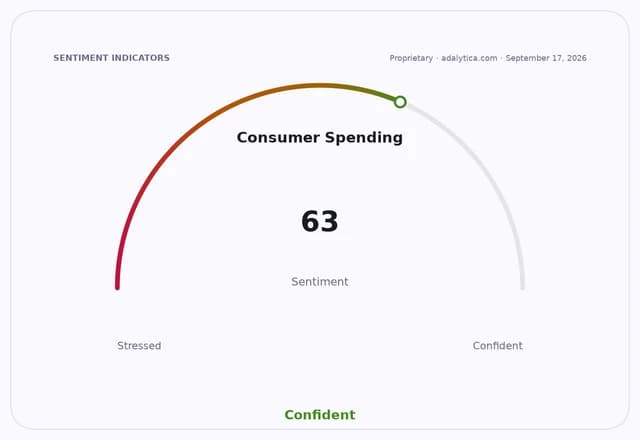
The broader market backdrop makes the opportunity more interesting. Adalytica’s S&P 500 trade signals show extreme fear around equities overall, while consumer-spending sentiment remains neutral but has weakened sharply over the past week. In that kind of environment, investors tend to punish cyclical travel names indiscriminately. But experiential tourism is a structural shift, not a one-quarter bounce. It is being reinforced by digital booking tools, easier access to bundled services and a consumer preference for memory-rich trips over generic beach breaks.
That is why the winners are not just airlines or hotels, but the platforms and destination operators that capture the highest-value behavior around events. Live sports, festivals and cultural gatherings are becoming the new gravitational centers of travel. The real upside may sit with the toll-road layer of tourism — the intermediaries, ticketing platforms and booking engines that monetize every step of the journey.
Our view: own the infrastructure behind experiential travel, not the one-off destination hype. Booking and Expedia are positioned to compound if sports-driven trips keep becoming the default way people travel, and the next catalyst will be another round of event calendars that turn cities into demand machines.
| Entity | Gains | Losses |
|---|---|---|
| Booking Holdings | ▲More bundle-driven bookings | ▼One-off room-only sellers |
| Expedia | ▲Higher attach rates on experiences | ▼Pure OTA competitors |
| Event destinations | ▲Stronger visitor spending | ▼Generic leisure hubs |
| Travelers booking early | ▲Better availability and planning | ▼Last-minute, price-sensitive buyers |