Booking, Expedia, Trip.com Face AI Travel Pressure
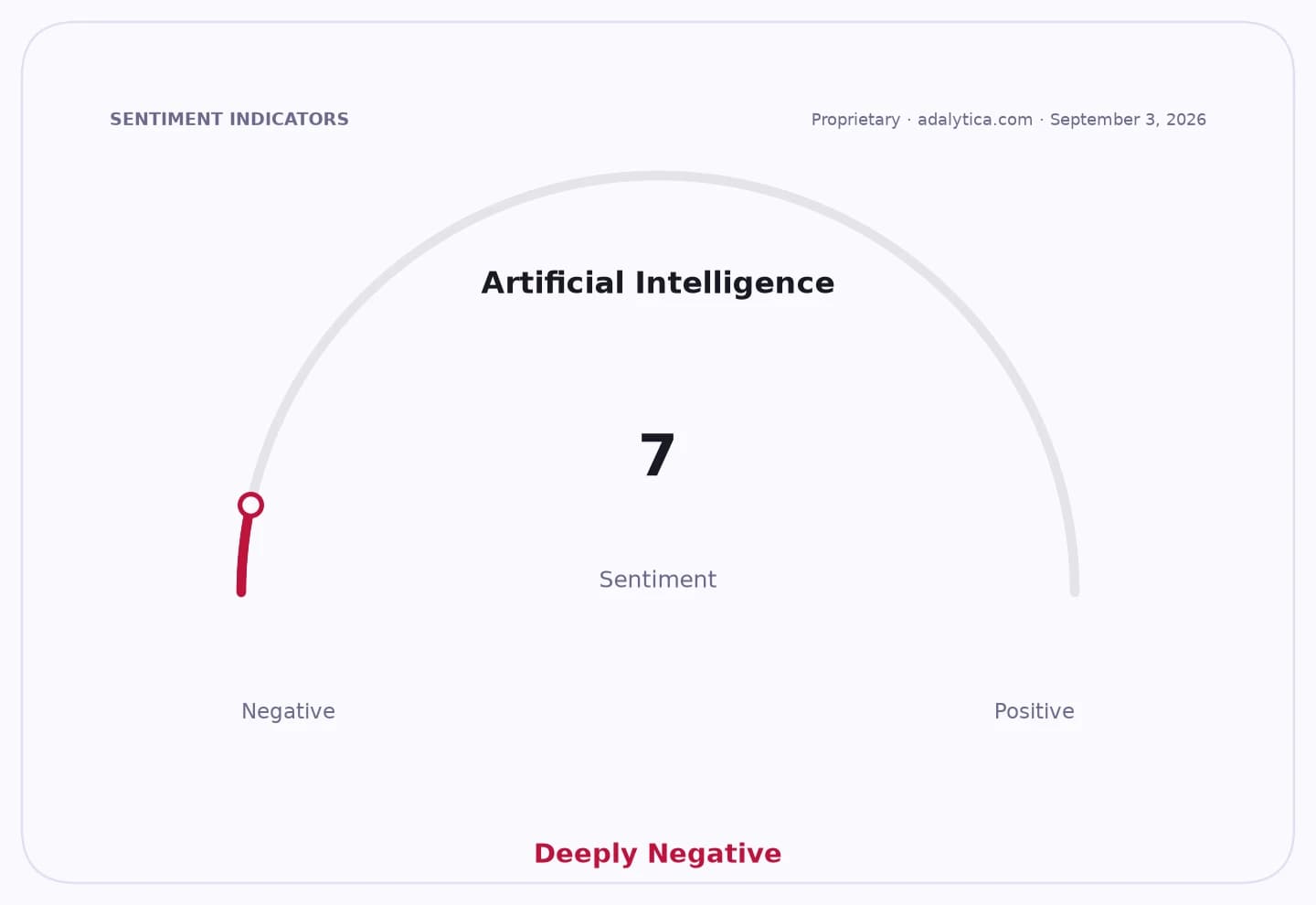
Travel technology is under renewed pressure as artificial intelligence pushes online booking and search toward automation, but the biggest travel platforms are still telling investors that human advisors and direct relationships remain central to preserving margins and customer loyalty.
That tension matters because AI can strip out friction in trip planning while also intensifying competition across hotel bookings, packages and destination search. For incumbents such as Booking Holdings, Expedia and Trip.com, the question is not whether AI will reshape distribution, but whether it will compress pricing power or help them deepen engagement before rivals do.
Booking Holdings shares closed at $199.60 on Sept. 2, below both the 50-day moving average of $192.91 and the 200-day moving average of $185.33, after sliding as low as $154.09 earlier this year. The stock has recovered from that February washout, but its recent RSI reading of 36.7 and a MACD line still below the signal line suggest investors remain cautious about how much near-term upside is already priced in.
Expedia has also seen its post-rally momentum cool after surging to $329.44 in late August from $187.43 in February. It ended at $308.06 on Sept. 2, still well above its 50-day average of $292.59 and 200-day average of $257.31, but the pullback from overbought levels shows the market is reassessing whether AI-led efficiencies can offset slower growth or heavier competition from platforms, super-apps and direct suppliers.
Trip.com, meanwhile, has been the weakest of the group on a relative basis, closing at $43.63 on Sept. 2 versus a 200-day moving average of $54.54. The stock is trading just under its 50-day average as well, reflecting investor skepticism even as the company works to defend its share in China’s travel rebound and from broader AI-driven changes in how consumers search and book trips.
The backdrop is a travel sector that is trying to answer a simple investor question: if AI makes booking easier, who captures the value? Companies that own the customer relationship, control inventory and can guide travelers through more complex trips are trying to argue they will benefit, not lose, as the market moves toward more automated planning.
That is why the message from travel advisors still resonates. In a market increasingly shaped by algorithmic recommendations and generative search, advisors may hold the edge on higher-touch, higher-margin itineraries, especially where customization, trust and disruption handling matter most.
For investors, the next catalysts are the usual ones — earnings commentary, guidance on customer acquisition costs, and any evidence that AI features are lifting conversion without eroding take rates. If platforms can show they are using AI to improve pricing, service and retention rather than just adding another layer of competition, the sector’s recent volatility could give way to a more durable rerating.
| Entity | Gains | Losses |
|---|---|---|
| Travel advisors | ▲Higher-value bookings | ▼Basic commoditized trips |
| Booking Holdings | ▲Direct customer relationships | ▼Search/distribution friction |
| Expedia | ▲AI-assisted conversion gains | ▼Margin pressure from rivals |
| Trip.com | ▲China travel recovery | ▼Investor confidence |