Boring Company Raises $3 Billion at $23 Billion Valuation
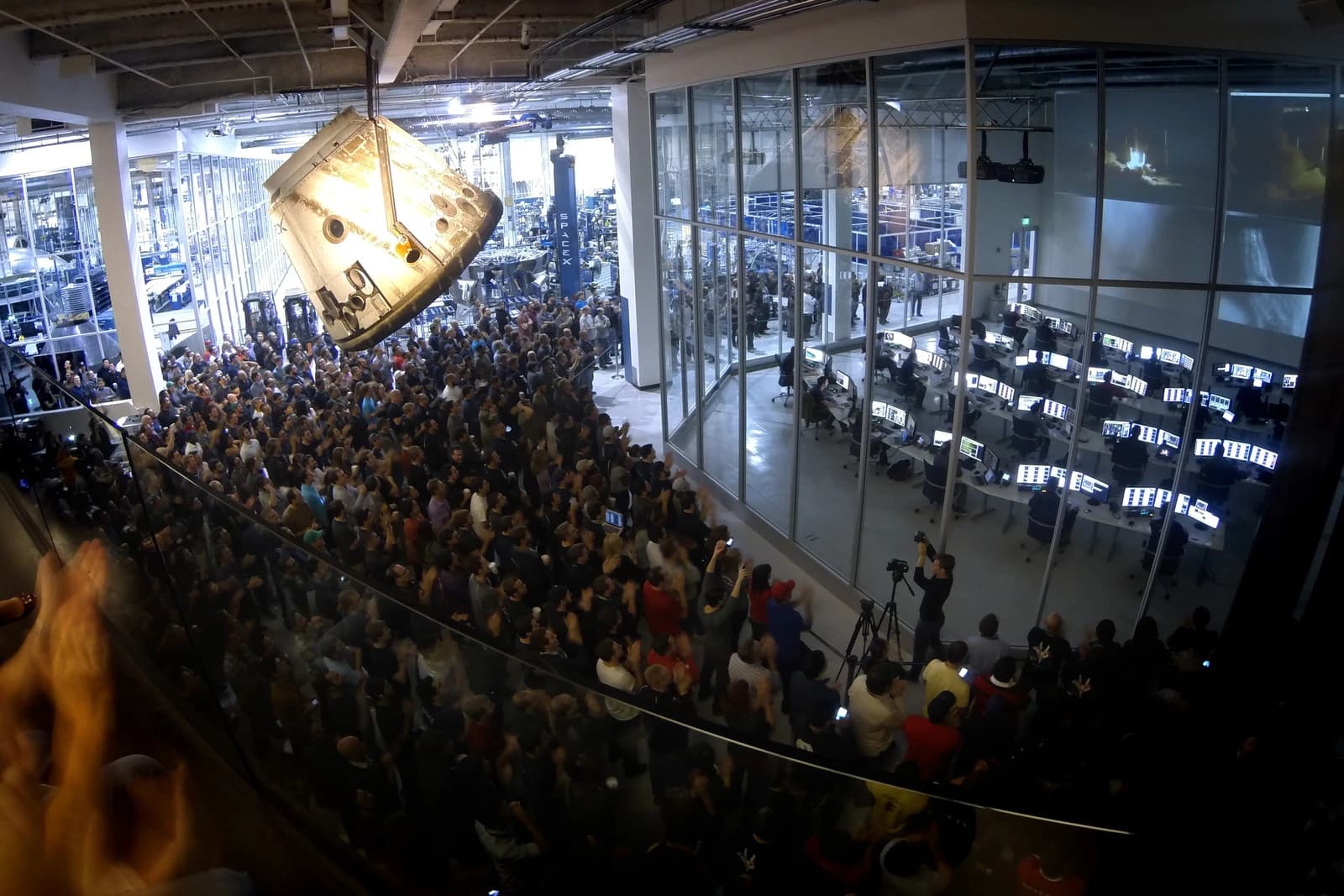
Elon Musk’s Boring Company has pulled in $3 billion in fresh capital, giving the tunneling venture a $23 billion valuation and a chance to prove its underground transport model can scale beyond a handful of showcase projects.
That matters because the money is not just a vote of confidence in another Musk-adjacent startup. It is a financing bridge to one of the most ambitious infrastructure tests of Musk’s career: more than 150 kilometers of tunnels in the United Arab Emirates, with Dubai Loop already in the pipeline. If the company can turn a concept built around traffic relief into a repeatable regional network, the prize is not a niche transit business but a new infrastructure platform.
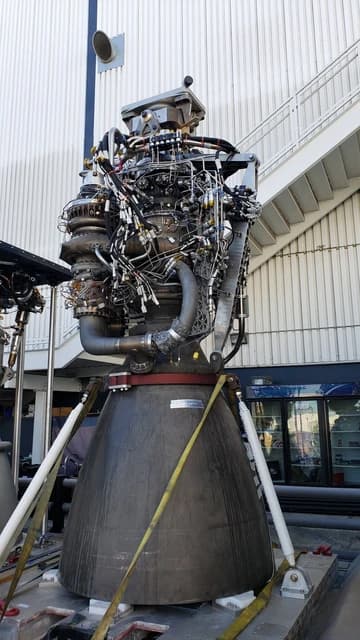
For investors, the round reinforces a broader market truth: capital still pays up for Musk’s ecosystem, even when the operating record is uneven. Tesla and SpaceX have given Musk unmatched credibility with backers willing to fund long-dated, capital-intensive bets. The latest deal suggests investors are still prepared to look through execution risk if the narrative is tied to scarce assets, government relationships and future infrastructure demand.
The financing also shows this is not a conventional venture round. According to the Wall Street Journal, some investors were asked to help the company with hiring and government contacts, and Boring would have the right to buy back shares if those investors failed to deliver candidates. That unusual structure underlines the real bottleneck for infrastructure rollouts: permits, labor, political access and execution, not just money.
The Emirates have become the centerpiece because they can absorb big, centrally planned projects and move faster than many Western cities on infrastructure development. For Boring, that creates a rare chance to demonstrate whether its tunnels can evolve from the Vegas Loop and smaller pilots into a genuine network business. If the Dubai and broader UAE plans progress, the company could finally justify a valuation that assumes much more than novelty.
The stock-market angle is less about Boring itself — a private company — than about the assets that benefit from a renewed race to build transport, power and compute infrastructure around the world. The same capital logic that is driving AI buildouts, data-center expansion and grid investment is now showing up in physical mobility infrastructure. That is why investors should care: the next wave of Musk-linked upside may come not from cars or rockets alone, but from toll-like, recurring infrastructure revenues if the tunnels scale.
Tesla shares, meanwhile, remain a proxy for Musk sentiment even as the Boring story stands on its own. Adalytica’s Tesla Earnings Sentiment snapshot is neutral, showing sentiment at 37 and awareness at 48, while the stock has been trading around $365.44, above its 50-day moving average but below its 200-day average. That leaves room for sentiment-driven swings, but the more important message is that investors are still willing to fund Musk’s second-tier ventures if they believe they can become infrastructure franchises.
The market is underestimating how much value can be created if Boring turns the UAE into a proof point. The upside is not just a tunnel company; it is a template for exporting high-density mobility systems into wealthy, fast-growing cities that are short on surface space and long on ambition. If that happens, the $23 billion valuation may look early rather than expensive.
For investors, the takeaway is simple: watch the contractors, suppliers and infrastructure platforms that stand to gain from a larger global buildout around mobility, power and AI-linked physical assets. Musk’s next business is no longer just about ideas — it is about whether he can turn private capital into an exportable infrastructure machine.
| Entity | Gains | Losses |
|---|---|---|
| Boring Company | ▲$3 billion funding | ▼Pressure to deliver |
| UAE / Dubai | ▲Faster transport buildout | ▼Capital allocation risk |
| Musk ecosystem backers | ▲Early access to upside | ▼Execution uncertainty |
| Traditional transit rivals | ▲None | ▼Share of future projects |