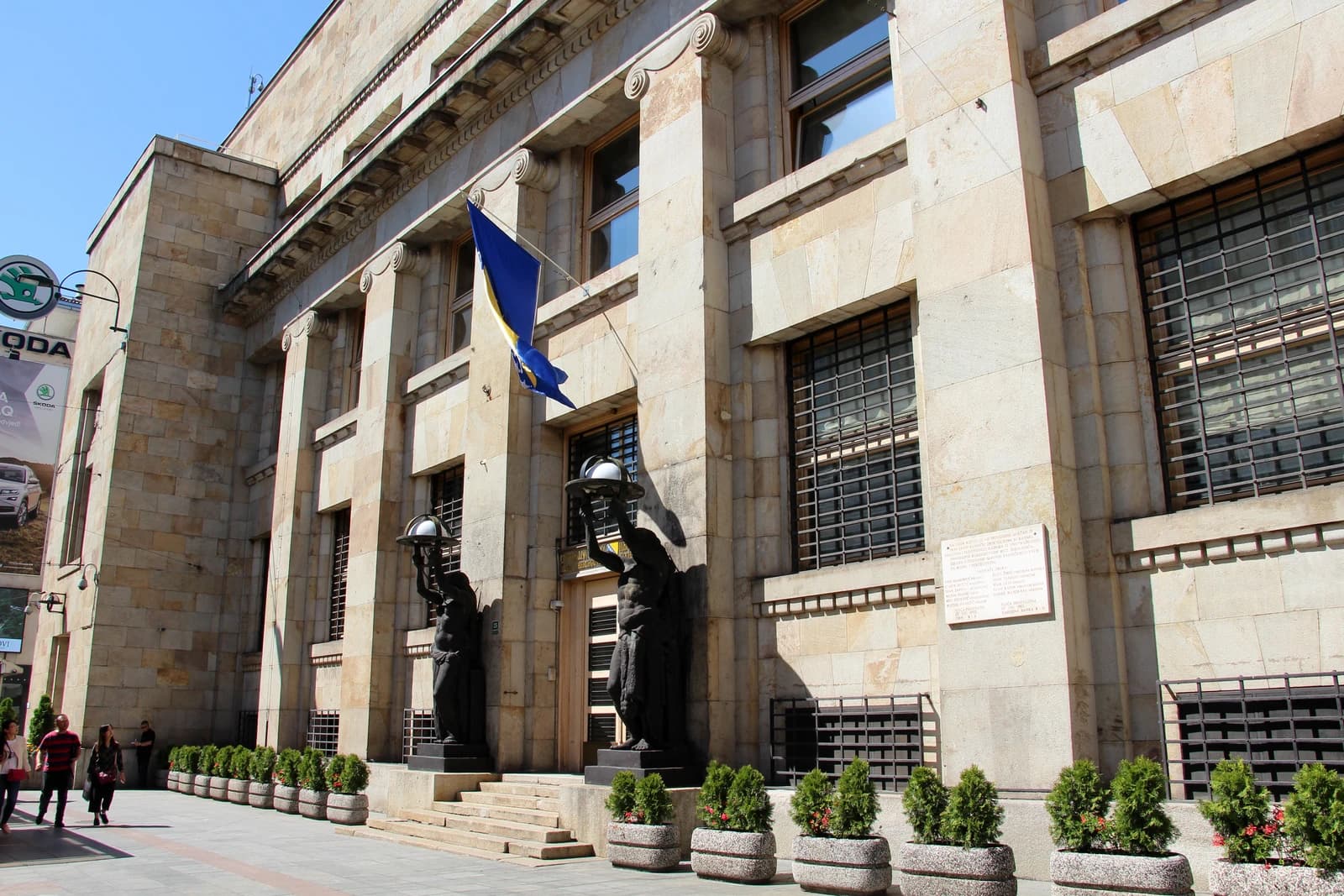
The Central Bank of Bosnia and Herzegovina has said it will not pay Viaduct’s debt while its own assets remain threatened, escalating a dispute that now risks becoming a broader test of sovereign-style payment discipline and the rule of law in the Balkans.
Bosnia Central Bank Hardens Stance In Debt Dispute
The stance matters because it signals that Bosnia’s monetary authority is prioritizing the protection of its balance sheet and institutional independence over immediate settlement, even as pressure builds to resolve a claim that could otherwise set off asset seizures or other enforcement measures. In a country where public institutions already face weak fiscal buffers and recurring legal disputes, the decision raises the stakes for creditors, counterparties and anyone financing or doing business with entities linked to the state.
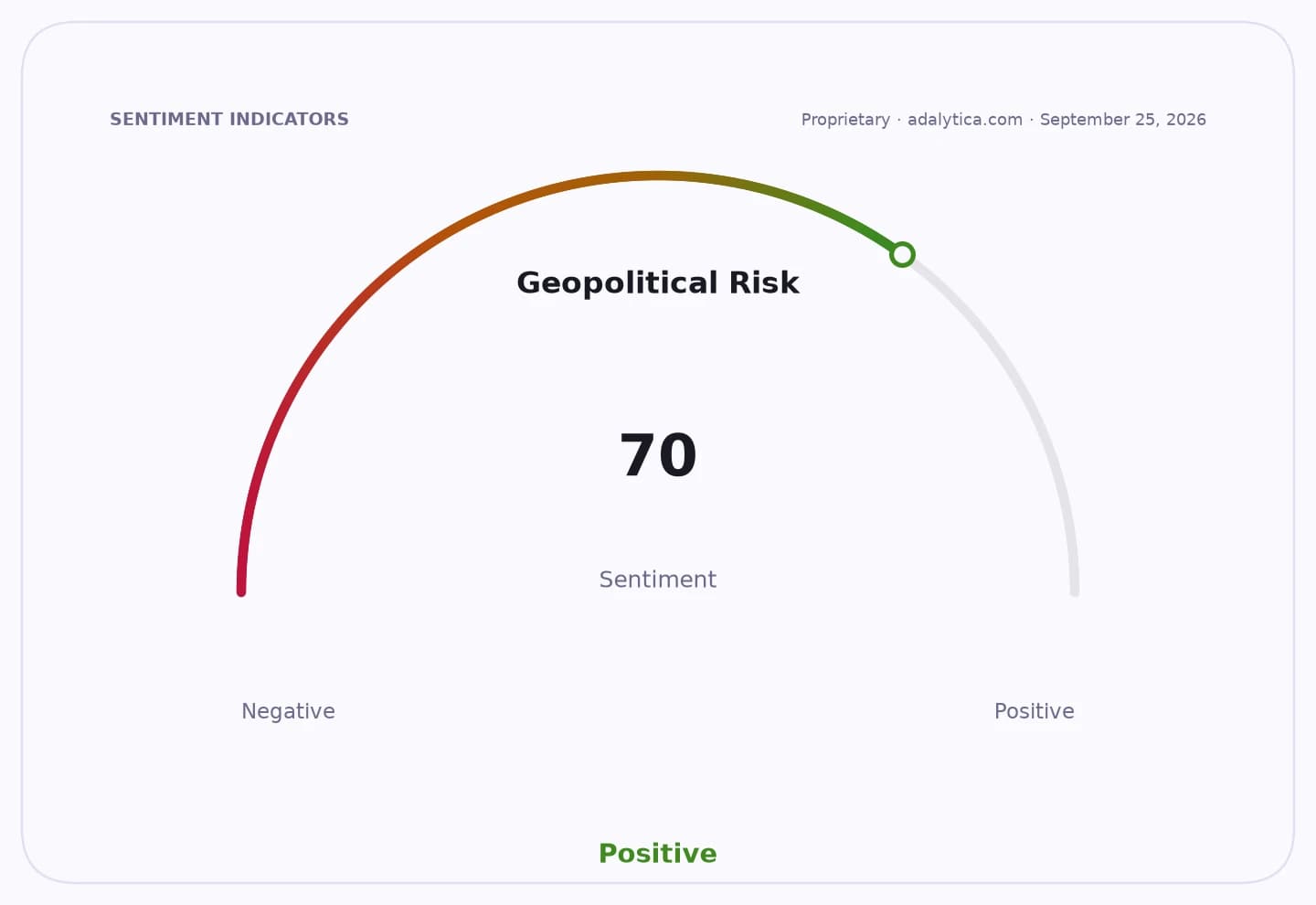
Sentiment IndicatorsⓘProprietary · adalytica.com · July 14, 2026
This is a snapshot — live sentiment, awareness and momentum for 130+ markets update continuously in the dashboard.Open AlphaPulse
For investors, the immediate implication is not a direct market repricing so much as a fresh reminder that legal finality and collectability remain key risks in Bosnia’s financial system. If a central bank is unwilling to release funds while its assets are exposed, counterparties may demand higher risk premia, tighter collateral terms or shorter tenors when dealing with state-linked borrowers. That can feed through to funding costs, delay settlements and complicate any broader attempt to restore confidence in the country’s payment infrastructure.
The dispute also fits a wider pattern in which debt recovery is increasingly shifting from courtrooms to negotiated settlements and administrative mechanisms. Bosnia’s authorities have been promoting extrajudicial resolution tools and installment plans to ease debt burdens, but the Viaduct case suggests that large, contentious claims still hit the limits of those frameworks when asset protection becomes the priority. The result is a tension between preserving public assets and satisfying creditors, with no easy political or legal off-ramp.
Markets will watch whether the threat to the central bank’s assets is removed, whether a negotiated settlement emerges and whether the dispute spills into wider confidence in Bosnian public-sector obligations. Until then, the message is clear: payment is conditional, and enforcement risk is now shaping the bargaining position.
| Entity | Gains | Losses |
|---|---|---|
| Central Bank of Bosnia and Herzegovina | ▲Protects assets | ▼Faces reputational strain |
| Viaduct creditors | ▲Preserves claim leverage | ▼Delayed recovery |
| Bosnia public sector | ▲Buys negotiating time | ▼Higher funding risk |
| Foreign investors | ▲Clarifies legal risk | ▼Sees weaker confidence |