BP and ConocoPhillips expand Kirkuk oil project
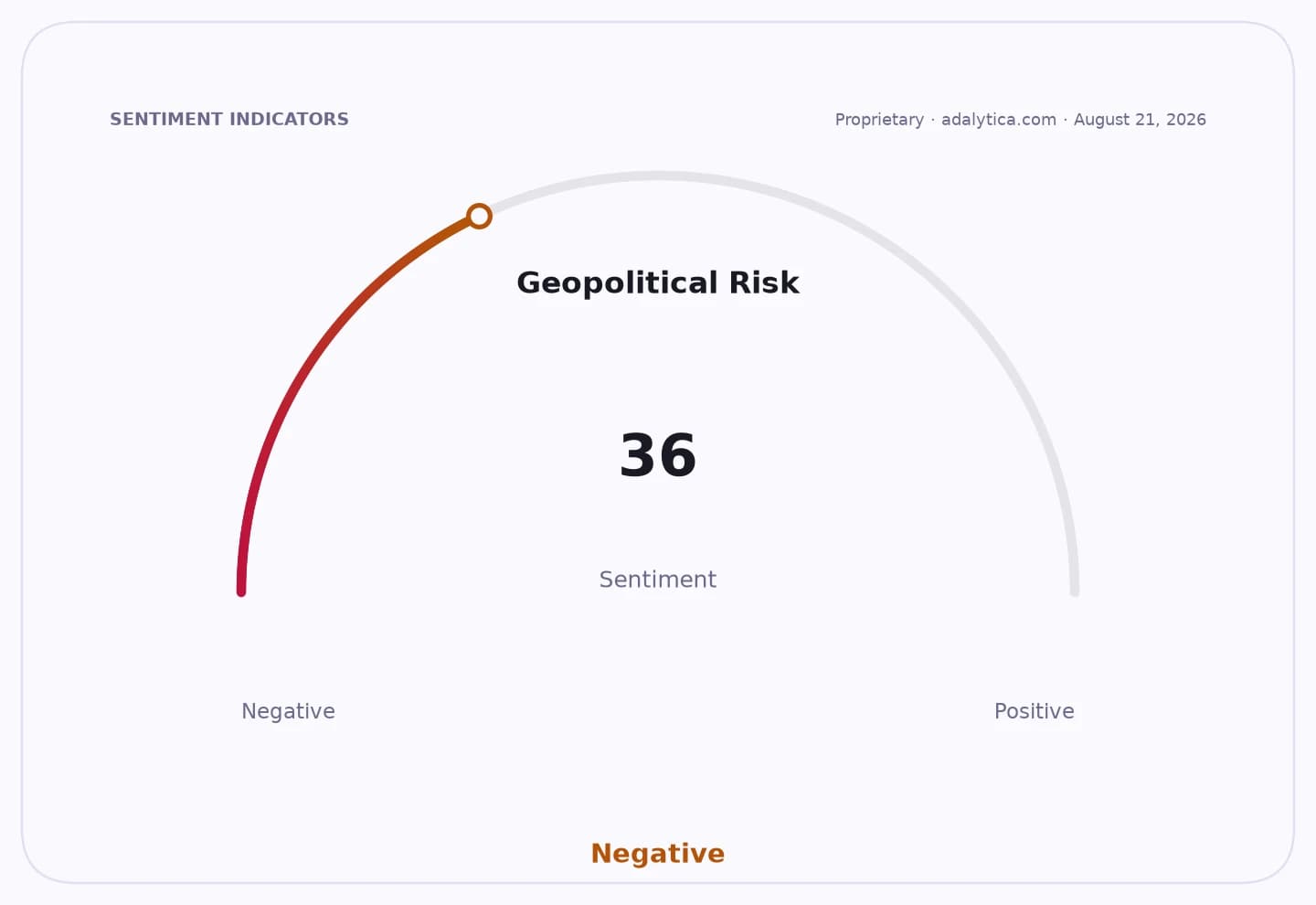
BP is moving to deepen its foothold in Iraq’s Kirkuk oil province at a time when crude prices and regional risk premiums remain elevated, making the redevelopment of old fields more economically valuable for both Baghdad and international producers.
The most important development is BP’s push to increase oil and gas production in Kirkuk through a redevelopment project that now has ConocoPhillips lined up for a 42% stake in BP Energy Company of Kirkuk Limited, according to BP’s Aug. 4 filing. That matters because Kirkuk is one of Iraq’s most strategically significant producing areas, and any successful restart or expansion there feeds directly into Iraq’s broader goal of lifting output after years of underinvestment, conflict damage and export bottlenecks.
For Iraq, the stakes are national. Baghdad is trying to turn oil into a more reliable growth engine, with the country seeking special arrangements to keep exports moving through the Strait of Hormuz and aiming to raise crude production to 8 million-10 million barrels a day over the next six years. That is a huge lift from the roughly 4 million barrels a day Iraq produced before regional turmoil intensified. The effort underscores how central foreign capital and technical expertise remain to Iraq’s energy plans, even as geopolitical risk around the Gulf and Middle East keeps export security front and center.
The market backdrop helps explain why companies are willing to lean in. Brent-related oil benchmarks have been volatile but remain high enough to support upstream returns, with U.S. crude hovering around $86.88 a barrel and U.S. oil exchange-traded fund USO at $135.11, near the upper end of its recent range. BP shares have also recovered sharply from a July low of $35.71 to $44.79, reflecting a healthier commodity environment and investor appetite for production growth rather than pure capital discipline.
The economics are straightforward: Kirkuk offers BP and partners a chance to add barrels in a market where spare capacity, geopolitical interruptions and refinery constraints keep supply tight. Iraq benefits from more revenue, improved field rehabilitation and a stronger case for long-term partnerships with international majors. For BP, the project offers exposure to a basin where incremental output can be materially value-accretive if political and operational risks remain contained.
Bullish investors will see the deal as a way for BP to convert an old, geopolitically exposed asset into longer-dated cash flow at a time when oil prices are still well above long-run averages. The bear case is that Kirkuk remains vulnerable to local politics, regulatory delays and regional instability, any of which could slow execution or cap returns. The fact that completion is still subject to third-party approvals is a reminder that the path to production growth in Iraq is rarely linear.
What matters now is whether BP can translate the Kirkuk transaction into sustained output gains rather than another incremental agreement in a difficult operating environment. If Iraq keeps pushing for export capacity and the Middle East stays tense, Kirkuk could become a useful test case for whether international oil companies can still make money by betting on frontier barrels in a high-risk market.
| Entity | Gains | Losses |
|---|---|---|
| BP | ▲Kirkuk production growth | ▼Execution and approval risk |
| ConocoPhillips | ▲New upstream exposure | ▼Capital tied to Iraq risk |
| Iraq | ▲Higher output and revenue | ▼Greater reliance on oil exports |
| Oil traders | ▲Tighter supply narrative | ▼Lower downside if Iraq volumes rise |