Brazil 2026 race weighs on EWZ and BRZU
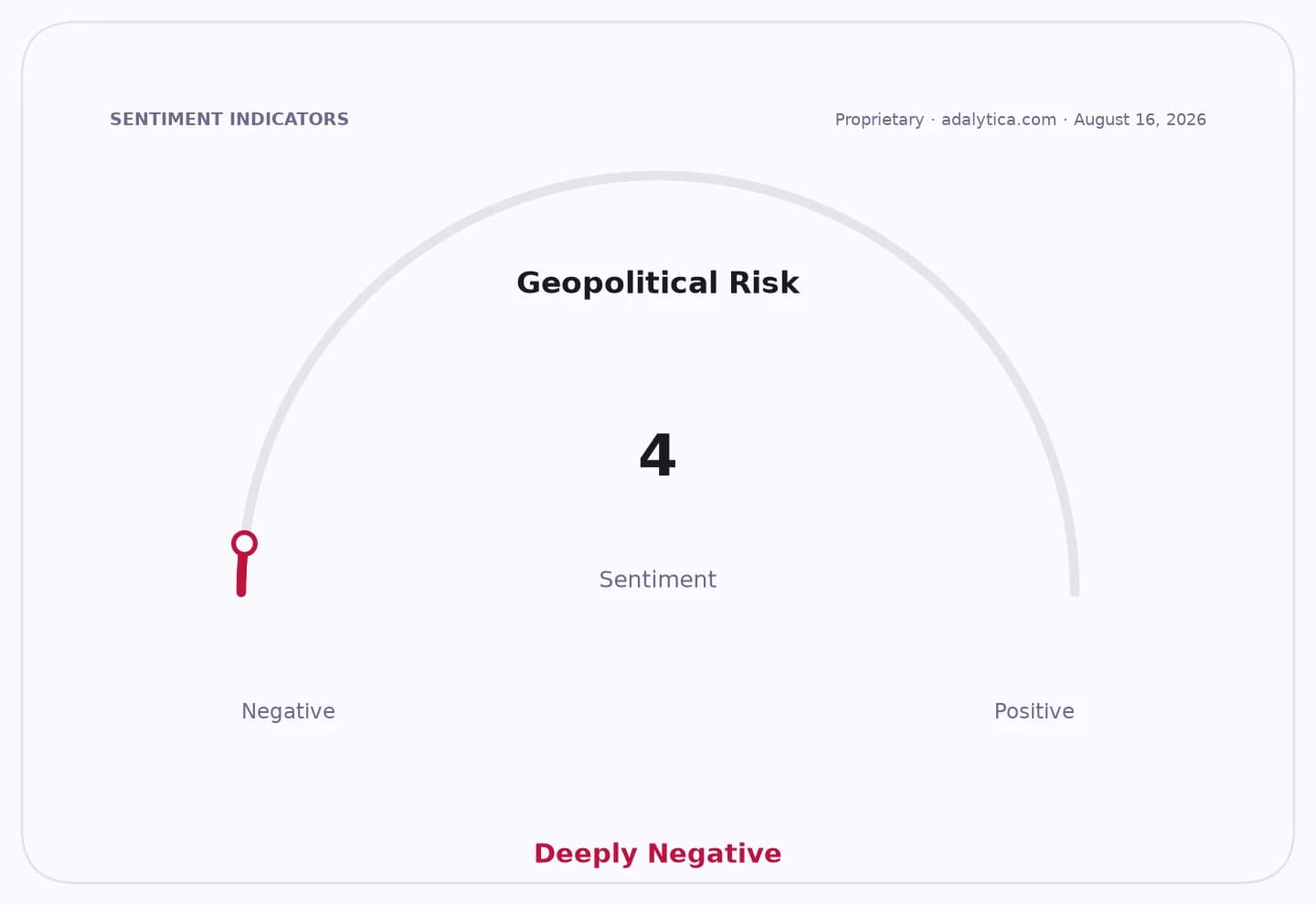
Brazil’s 2026 presidential race is starting as a market issue, with President Luiz Inácio Lula da Silva and the Bolsonaro camp framing the contest around sovereignty, security and institutional trust at a time when investors are already wary of policy uncertainty and volatile risk appetite.
That matters because Brazil is Latin America’s largest economy and one of the region’s key bond and equity markets. A polarized race that hardens around crime, social spending and national sovereignty could shape fiscal expectations, reform prospects and foreign capital flows well before voters go to the polls.

Lula is leaning on social programs and public security, while his rivals are using attacks over corruption, vote-buying allegations and judicial dysfunction to question the credibility of the political system. The result is a campaign that looks less like a policy debate than a test of whether Brazil can preserve institutional stability under intense pressure.
For investors, the immediate read-through is to the real, sovereign debt and Brazil-linked exchange-traded funds such as EWZ and leveraged fund BRZU, both of which have already been under pressure. EWZ closed at $33.93 on Aug. 14, below its 50-day moving average of $34.94 and its 200-day average of $35.22, while BRZU finished at $84.91, also below both key averages, signaling weak technical momentum in Brazil risk.
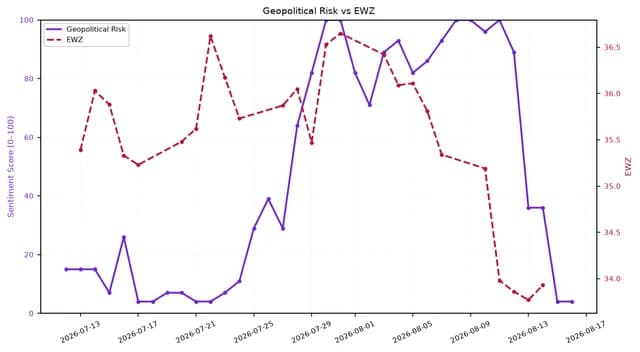
The selloff has been accompanied by heavier trading and worsening sentiment across broader risk gauges. Adalytica’s Global Stability Sentiment is at 4, or “Extreme Fear,” while its US Dollar Trade Signals show fear fading into greed, a mix that can amplify swings in emerging-market assets as investors rotate between safety and risk.
The political backdrop is unusually tense. The Senate has approved ending re-election for presidents, governors and mayors, and authorities have suspended new party memberships over registration irregularities, underscoring how the campaign is unfolding inside a system already facing credibility problems.
That makes the next phase of the race important not just for Brazilian voters but for markets that trade on the outlook for fiscal discipline, reform momentum and institutional continuity. The main catalyst now is whether the campaign turns more aggressive and whether polling begins to show a clearer path for either camp, which could quickly reset pricing in Brazilian assets.
| Entity | Gains | Losses |
|---|---|---|
| Lula’s campaign | ▲Social-program voters | ▼Fiscal hawks |
| Bolsonaro camp | ▲Crime-and-order messaging | ▼Institutional confidence |
| EWZ / BRZU bulls | ▲A clearer pro-market path | ▼Policy uncertainty |
| Foreign investors | ▲Reform clarity | ▼Political volatility |