Brazil withdraws ambassador from Argentina after Milei insults
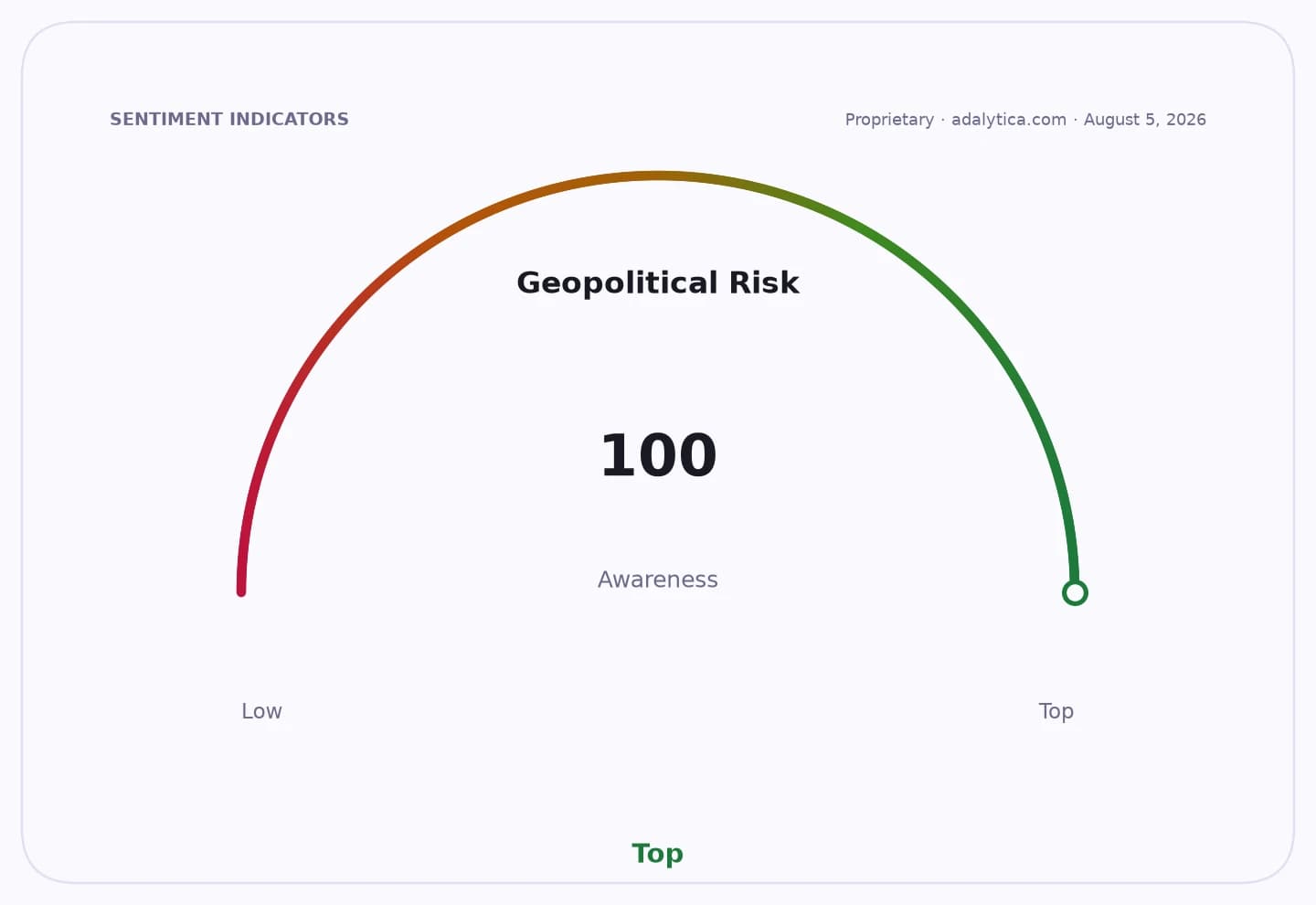
Brazil has withdrawn its ambassador from Buenos Aires and downgraded diplomatic relations with Argentina after repeated insults by Argentine President Javier Milei toward President Luiz Inácio Lula da Silva, a sharp escalation that risks complicating trade, policy coordination and investor sentiment in Latin America’s two largest economies.
The move is economically important because Brazil and Argentina sit at the center of Mercosur supply chains, especially for autos, industrial goods and food trade. A breakdown in ties can slow negotiations, raise political risk premia and make it harder for companies to plan around tariffs, customs rules and cross-border investment.
Argentina said it regretted Brazil’s unilateral decision to expel its ambassador, underscoring how quickly rhetoric has turned into formal diplomatic damage. The confrontation also lands at a sensitive moment for Lula, who is already managing external pressure from Washington and a broader backdrop of electoral politics in the region.
For investors, the immediate effect is less about direct market losses than about a higher geopolitical risk discount for Brazil-Argentina assets, currencies and regional funds. Brazilian and Latin American exchange-traded products have been trading firm in recent sessions — with ARGT near $93.80 and ILF around $35.08 on Aug. 4 — but both remain sensitive to headlines that could spill into trade policy or corporate earnings.
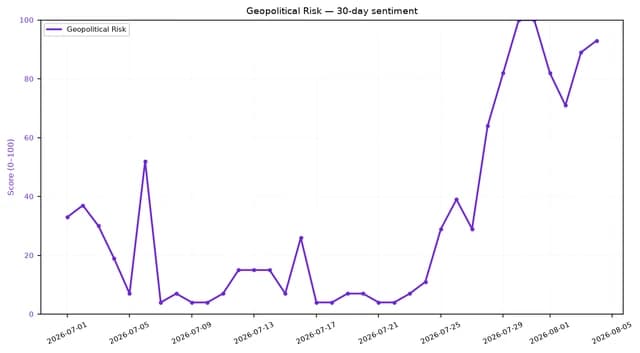
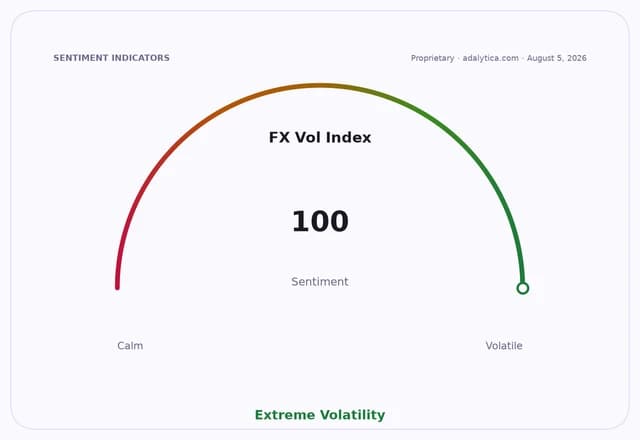
Adalytica’s Global Stability Sentiment gauge shows extreme greed at 93, while FX volatility signals are also at 100, suggesting markets are positioning for more swings in currencies and regional assets even if the diplomatic shock does not immediately hit growth. The bigger question now is whether the rift stays symbolic or starts to affect commercial talks, regional cooperation and the tone of South American policy into the next round of negotiations.
| Entity | Gains | Losses |
|---|---|---|
| Brazil | ▲Shows diplomatic resolve | ▼Near-term regional influence |
| Argentina | ▲Domestic political leverage | ▼Ties with its largest neighbor |
| Exporters and multinationals | ▲Clarity on political risk | ▼Higher trade uncertainty |
| Latin America ETFs and currencies | ▲Event-driven trading volume | ▼Stability premium |