Brazil Pushes BRICS Reform on IMF, AI, and Tax
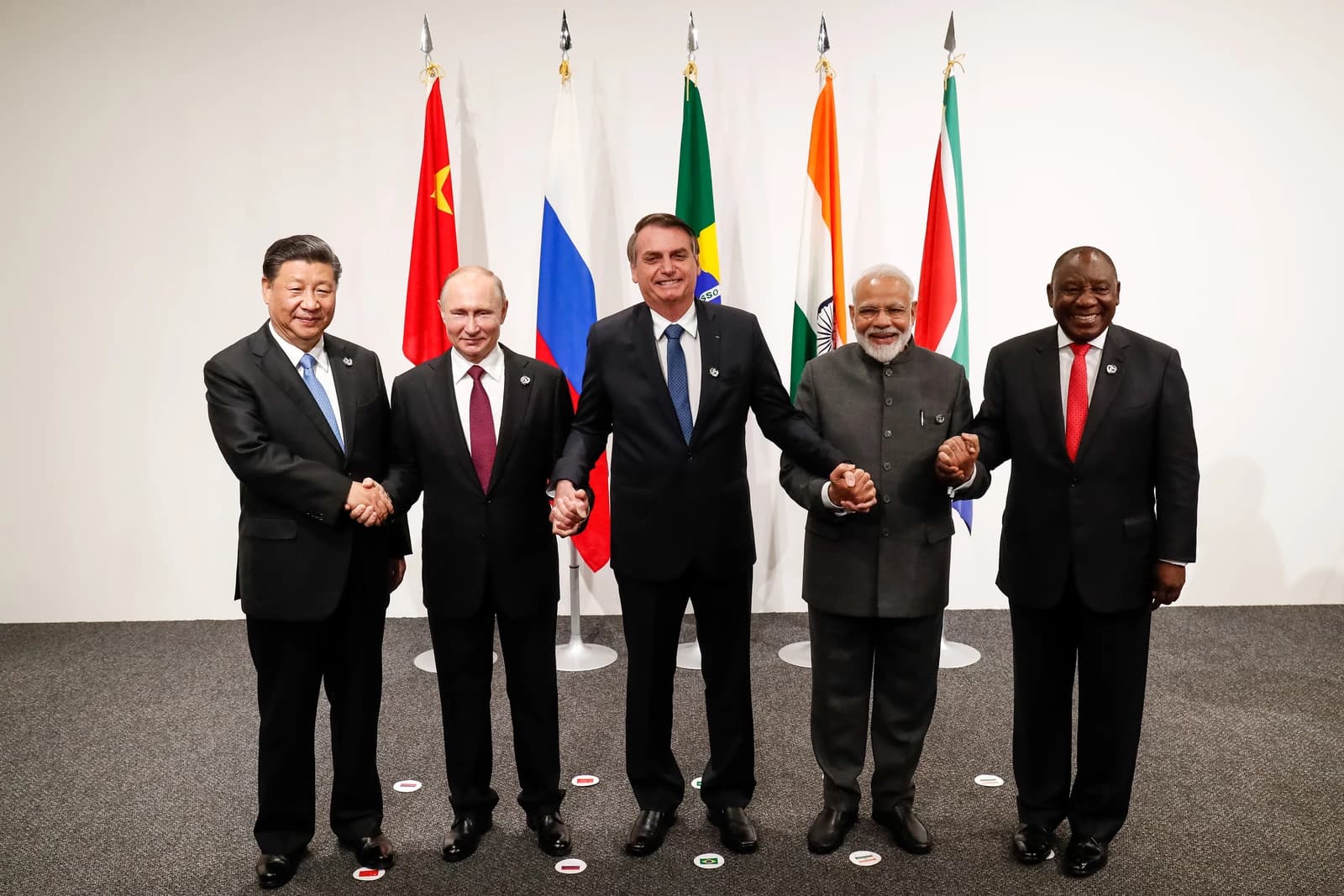
Brazil is using its BRICS chairmanship to press for a bigger rewrite of the global economic rules, arguing that tax justice and AI governance are now investment issues, not just diplomatic slogans.
That matters because the debate goes straight to how money, data and market power are distributed in the next decade. President Luiz Inácio Lula da Silva told the Rio de Janeiro summit that emerging markets should have at least 25% of the voting power at the International Monetary Fund, up from 18% now, and he renewed calls to reform the World Trade Organization and curb what he called a system tilted against developing countries. He also framed artificial intelligence as a question of concentration, warning that the technology should not be controlled by “a few countries” or billionaires.
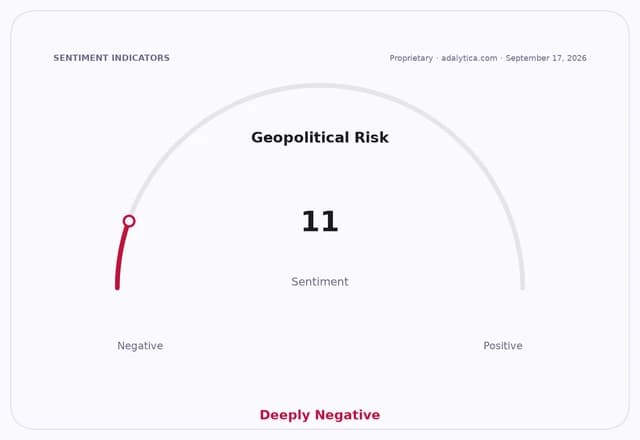
For long-term investors, this is less about one summit statement than about the policy backdrop for capital allocation. If BRICS governments keep pushing for more voting power at global institutions, more aggressive tax coordination and tighter oversight of AI, the winners are likely to be companies with diversified revenue streams, strong compliance teams and the ability to operate across jurisdictions. The losers are firms dependent on regulatory arbitrage, weak tax planning or a lightly governed AI rollout.
There is real economic weight behind the rhetoric. The BRICS bloc now includes 11 countries and accounts for nearly half the world’s population and about 40% of global GDP. Trade between Brazil and its BRICS partners reached about $210 billion in 2024, while Brazil posted a $10.4 billion surplus in the first half of 2025. That means any shift in the bloc’s policy agenda can matter for commodity flows, industrial supply chains, digital infrastructure and cross-border services.
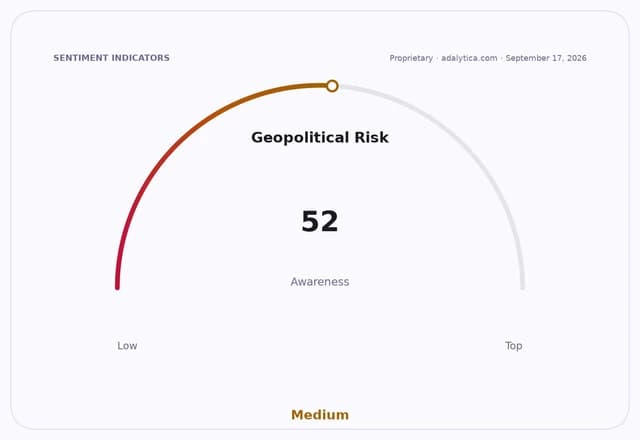
Lula also linked the tax debate to inequality, saying 3,000 billionaires have accumulated $6.5 billion since 2015. Whether or not that line moves the diplomatic needle, it reflects a broader political reality: governments are under pressure to show voters that globalization and AI are not just enriching asset owners and technology incumbents. That keeps tax policy, antitrust scrutiny and AI regulation high on the agenda in Brazil, in the BRICS and beyond.
The AI piece is especially important for investors because it points to a world where the biggest technology companies may face more rule-setting from governments, not less. Microsoft, Nvidia and Alphabet already disclose in regulatory filings that AI can bring legal, privacy, cybersecurity and compliance risks, and that new laws can raise costs or constrain deployment. Markets have generally rewarded the AI boom, but the political push in Rio is a reminder that the next phase of growth will depend as much on governance as on chips and code.
Brazil’s proposal to study direct submarine cables linking BRICS countries also fits that theme. More local data routes could improve sovereignty and security, but they could also encourage a more fragmented internet infrastructure, with implications for cloud providers, telecom operators and cross-border data businesses. Investors should think of it as part of the same story: a push to reduce dependence on the West while building parallel financial and digital architecture.
The immediate market reaction may be muted, but the longer-term message is clear. BRICS governments are trying to turn frustration with the current system into policy leverage over finance, trade and AI. For investors, that means more regulation, more negotiation and potentially more fragmentation — but also new spending on infrastructure, compliance and regional technology buildout. In a world that is already forcing capital to adapt, this is a story worth keeping on the watchlist.
| Entity | Gains | Losses |
|---|---|---|
| BRICS governments | ▲More leverage in global rules | ▼Status quo institutions |
| Global tech giants | ▲Clearer long-term rules if harmonized | ▼Looser AI oversight |
| Emerging markets | ▲Greater voting power and influence | ▼Concentrated Western control |
| Investors in infrastructure/compliance | ▲New spending opportunities | ▼Firms reliant on weak regulation |