Brazil BRICS stance draws pushback as EWZ stays strong
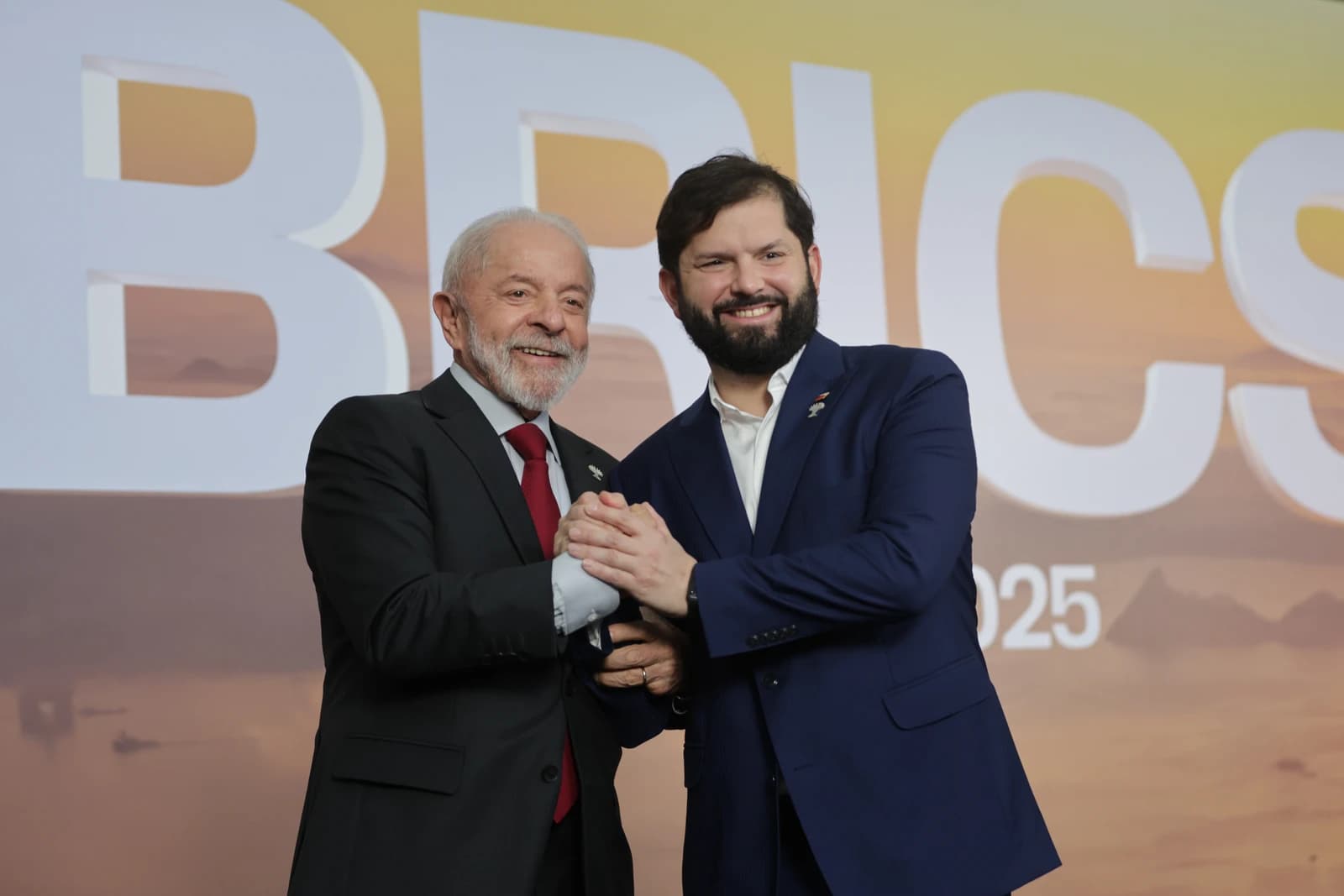
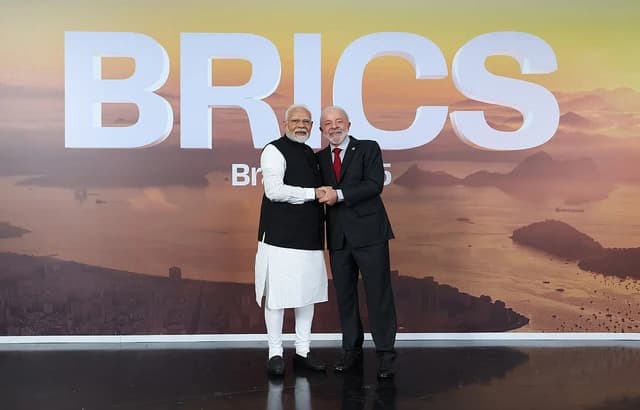
Brazil’s role in the BRICS summit is drawing pushback as the bloc deepens engagement with Iran and Havana’s government faces no visible penalties, a stance that adds geopolitical friction for Latin America’s biggest economy and keeps Brazil-linked assets in focus.
The economic importance is less about the summit’s communiqués than the policy signal: Brazil is positioning itself closer to an expanding, more overtly anti-Western BRICS axis at a time when investors are already weighing foreign-policy risk, sanctions exposure and the stability of trade and capital flows. That matters because Brazil sits at the center of emerging-market portfolios, and shifts in its diplomatic posture can affect risk premia well beyond the event itself.
Investors have already been showing a stronger appetite for Brazilian exposure, with the iShares MSCI Brazil ETF, EWZ, closing at $37.78 on Sept. 15, above both its 50-day and 200-day moving averages. But the fund remains well below the upper end of its Bollinger Band range, while the Relative Strength Index at 66 points to a market that is strong but extended, leaving it vulnerable to a reversal if geopolitics sour sentiment.
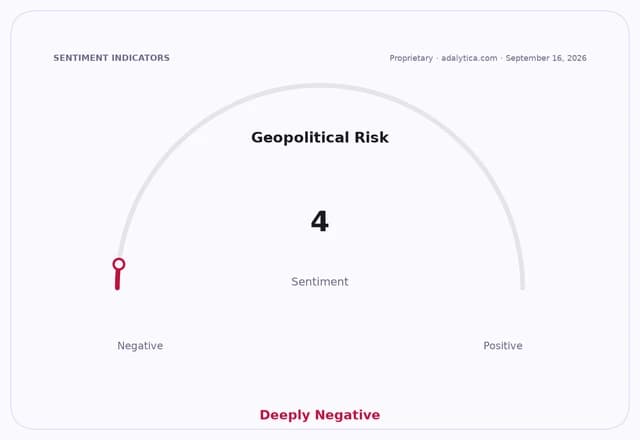
That backdrop contrasts with the broader emerging-market picture. China’s FXI ETF finished at $34.40, still under its 50-day and 200-day averages, underscoring that investors are treating BRICS exposures unevenly even as the bloc tries to project unity. At the same time, Adalytica’s Global Stability Sentiment gauge shows “Extreme Fear,” a sign that geopolitical headlines are carrying more market weight than usual.
For Brazil, the risk is not an immediate trade shock but a slow accumulation of reputational and policy concerns that can influence capital inflows, currency expectations and country-specific valuations. Any sign that Brasília is comfortable giving cover to sanctioned or controversial governments could complicate relations with the U.S. and Europe, even as it appeals to parts of the Global South.
The next test is whether the BRICS rhetoric turns into concrete cooperation with Iran and other sanctioned states, and whether Brazil’s diplomacy translates into measurable market stress or just another layer of political noise for investors to digest.
| Entity | Gains | Losses |
|---|---|---|
| Brazil government | ▲BRICS leadership profile | ▼Western diplomatic trust |
| Iran and Cuba | ▲Political legitimacy | ▼Sanctions isolation |
| EWZ holders | ▲Emerging-market momentum | ▼Geopolitical risk premium |
| U.S./European policymakers | ▲Pressure on BRICS cohesion | ▼Influence in Brazil |