Brazil China Trade Ties Expand Beyond Commodities
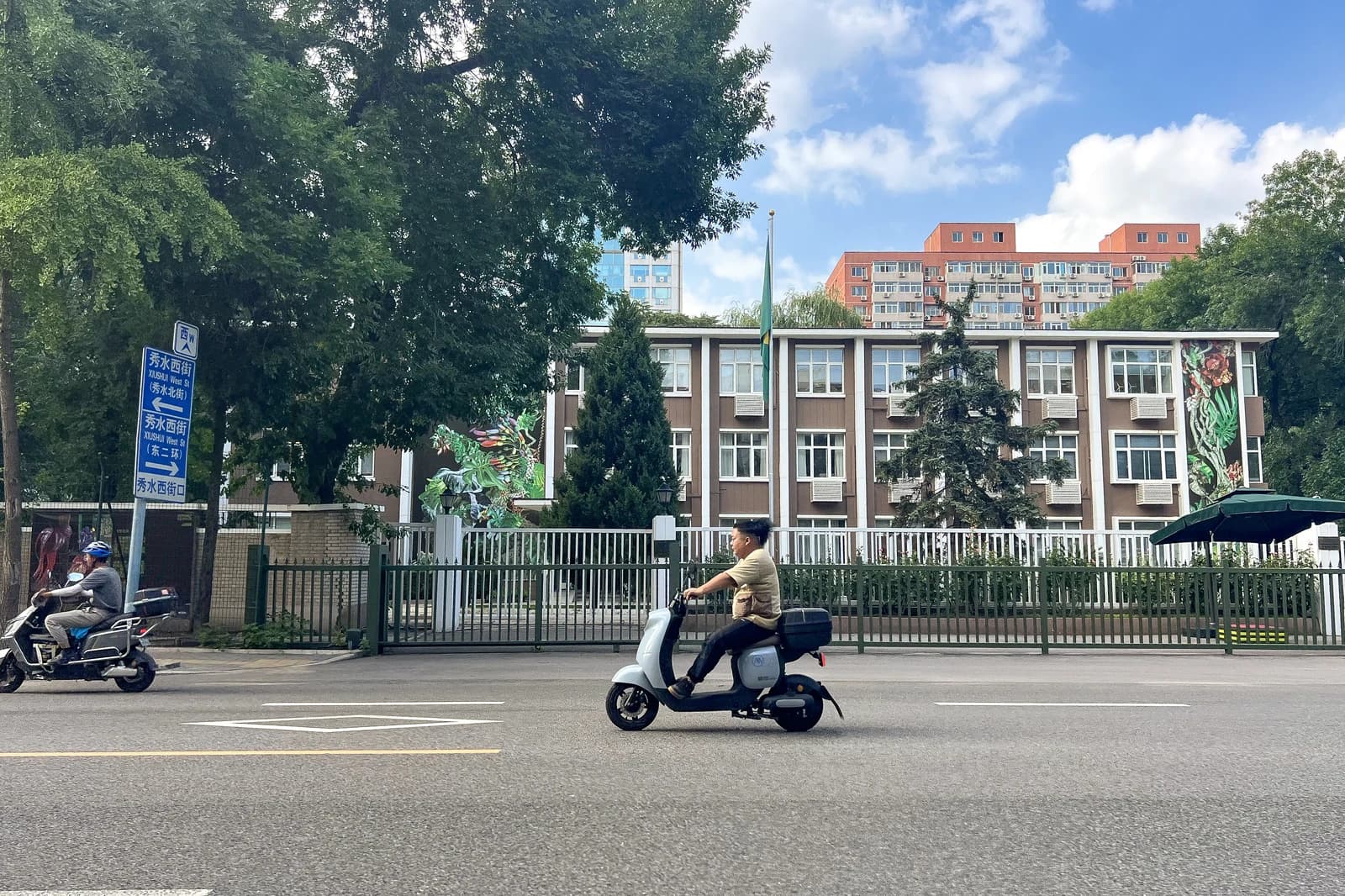
Brazil’s ambassador to China says the two countries are generating “fruitful results” together, underscoring a relationship that now shapes trade flows, investment and commodity markets from oil to soybeans to electric vehicles.
Marcos Galvão used a Beijing event marking Brazil’s 204th Independence Day to cast the 52-year bilateral relationship as increasingly central to both economies. China has been Brazil’s biggest trading partner for nearly two decades, while Brazil is now China’s top supplier of agricultural goods and its third-largest source of crude imports, giving the partnership direct weight for food, fuel and industrial supply chains.
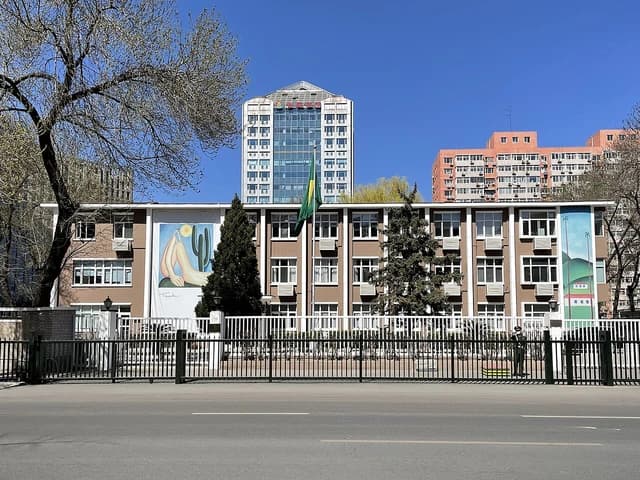
For investors, that mix matters because it ties Brazilian exporters and state-linked energy names to Chinese demand while reinforcing China’s role in financing and purchasing across Latin America’s largest economy. Galvão said Brazil has become a popular destination for Chinese foreign direct investment in 2025, and that cooperation is expanding into digitalization, artificial intelligence, medical research and green energy.
The diplomatic push also comes with a commercial backdrop. Brazil’s foreign minister Mauro Vieira visited China in June for the fifth China-Brazil Comprehensive Strategic Dialogue with Wang Yi, while multiple Brazilian cabinet ministers have since traveled to Beijing to press cooperation in finance, agriculture, health and culture.
The relationship is not just about commodities. Brazil has become the main export market for Chinese electric and hybrid vehicles, highlighting how China is using Brazil as a regional beachhead for advanced manufacturing exports even as Brazil seeks more investment and technology transfer.
Cultural diplomacy is now part of the same trade story. Brazil and China are moving through a 2026 cultural exchange program, and Galvão said mutual short-stay visa waivers could help draw more Chinese tourists to Brazil.
For markets, the key takeaway is that Brazil-China ties are broadening beyond raw materials into capital, technology and consumer flows, a setup that supports Brazilian exporters, resource producers and logistics firms while keeping Chinese buyers and investors embedded in Brazil’s growth story. The next catalyst is whether that goodwill translates into more bilateral investment deals, deeper agricultural purchases and progress on trade frameworks, including wider links with Mercosur.
| Entity | Gains | Losses |
|---|---|---|
| Brazilian exporters | ▲steadier Chinese demand | ▼less diversification leverage |
| Petrobras and oil sellers | ▲stronger crude sales to China | ▼pricing tied to China demand |
| Vale and miners | ▲potential China-linked volumes | ▼exposure to commodity cyclicality |
| Chinese EV makers | ▲larger Brazil market access | ▼higher competition from local policy |