Brazil critical minerals law raises deal review risk

Brazil is set to enact a critical minerals law this week, but the market-moving question for miners and investors is how far the government will go when it writes the rules that could let Brasília review or even block strategic transactions.
The legislation creates a national policy for critical and strategic minerals, giving the state a stronger hand in promoting domestic processing, steering value-added investment and trying to reduce supply risks in industrial chains. That matters because Brazil holds large reserves of rare earths and other minerals central to batteries, magnets and clean-energy supply chains, placing the country at the intersection of industrial policy and geopolitical bargaining.
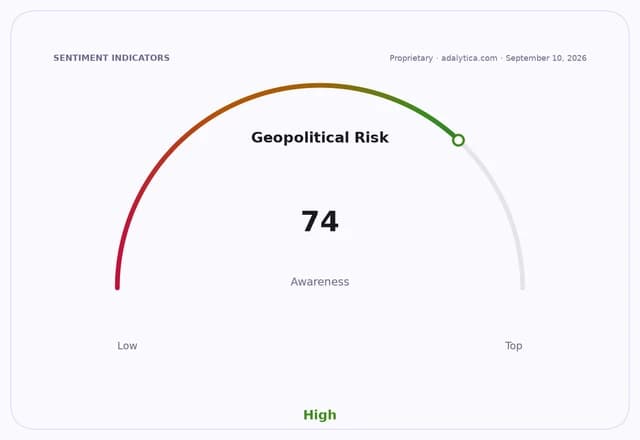
For President Luiz Inácio Lula da Silva, the sanction is also political: it reinforces a sovereignty narrative he has repeatedly tied to Brazil’s natural resources. The government has been using that argument to present minerals not just as an export story, but as an input to domestic development and manufacturing.
The bigger economic issue is the second stage. The law leaves the rules for the National Council for the Industrialization of Critical and Strategic Minerals, or CIMCE, to later regulation, and that council could scrutinize changes in control of mining companies, sales or transfers of mining titles, international supply contracts and deals involving significant foreign capital. In other words, the bill may soon become a screening regime for M&A and commercial arrangements in a sector that has been attracting global capital because of demand for energy-transition materials.
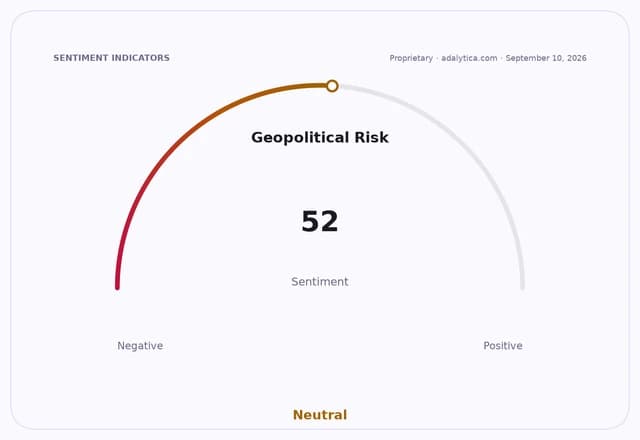
That unresolved detail is where investors are focused. Mining groups have warned that, without clear thresholds, the system could become a bottleneck that would slow projects and raise transaction risk. Government officials have tried to calm those fears by saying CIMCE is not meant to act as a routine paperwork office, but until the criteria are published, the scope of discretion remains a concern for dealmakers.
The law gives the executive branch up to 90 days after publication to regulate the council and bring it into force, while also defining incentives for local beneficiation and value-addition commitments tied to export volumes. That makes the next three months the key period for judging whether Brazil is building an industrial policy tool to attract investment in processing, or a broader national-security filter that could chill some foreign participation.
For Vale, Rio Tinto, MP Materials and other critical-minerals names, the immediate market impact is less about production and more about policy visibility. A clear framework could support capital allocation into Brazilian projects and downstream processing. A vague one could deepen the discount investors place on assets exposed to approval risk, particularly where foreign ownership or strategic offtake agreements are involved.
The bull case is that Brazil uses the law to move up the value chain, capture more domestic processing and position itself as a trusted supplier in a fragmented world market. The bear case is that broad screening powers and slow rulemaking add another layer of political risk to an industry that already faces commodity volatility, permitting delays and heavy upfront capital needs.
For now, the sanction is the easy part. The real test for Brazil’s mining investment climate will come when the government decides how much power CIMCE will actually have over deals, exports and foreign participation.
| Entity | Gains | Losses |
|---|---|---|
| Brazilian government | ▲Policy leverage | ▼Bureaucratic scrutiny |
| Domestic processors | ▲Incentives for local value-add | ▼Unclear rules |
| Foreign miners/investors | ▲Potential long-term clarity | ▼Deal and approval risk |
| Vale / Rio Tinto / MP Materials | ▲Strategic supply-chain relevance | ▼Regulatory overhang |