Brazil cyclone may disrupt trade, lift EWZ volatility
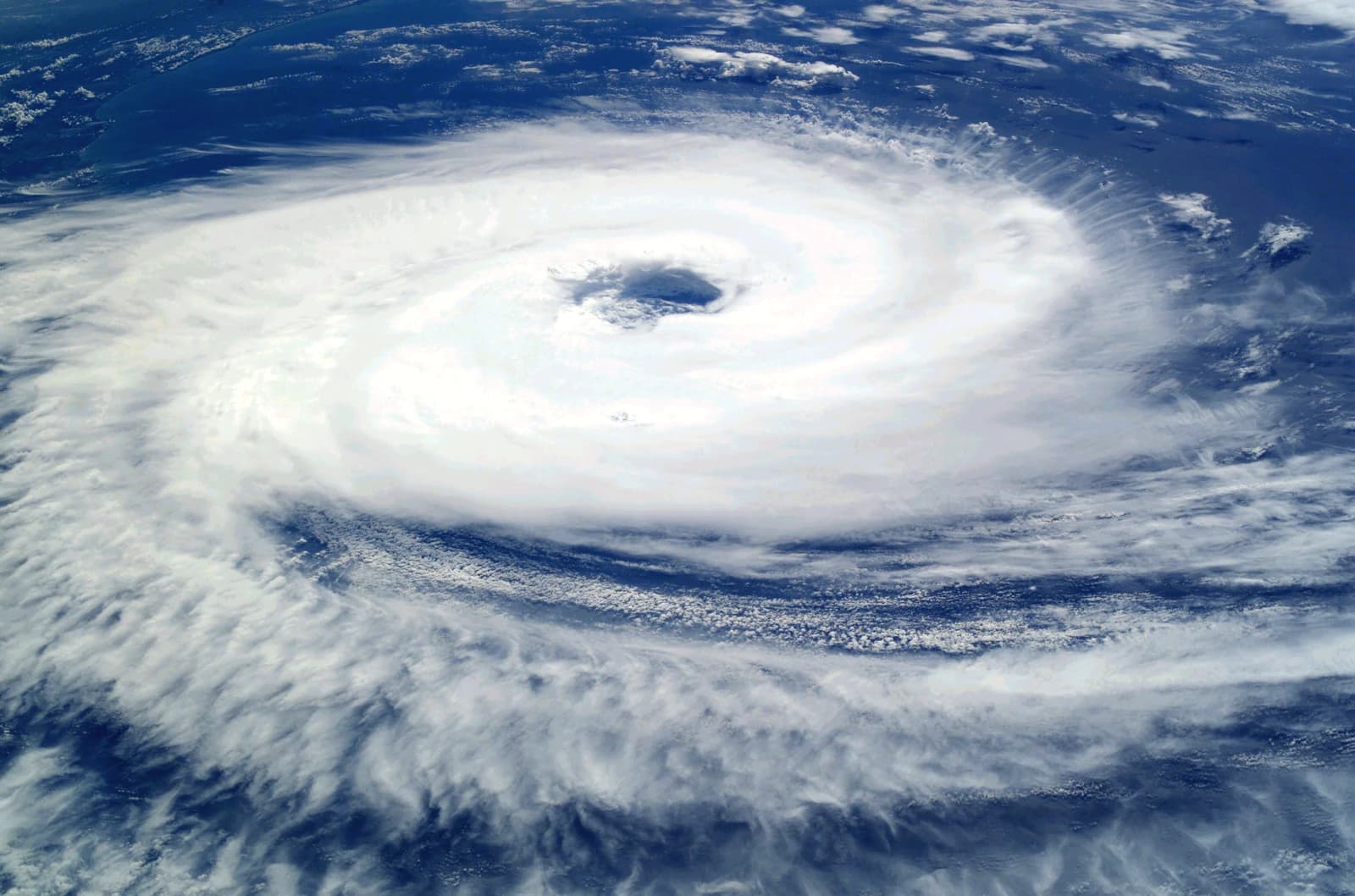
A new extratropical cyclone forming off Brazil’s south coast is set to raise weather alerts and could briefly jolt local markets by disrupting transport, power use and agricultural logistics in one of Latin America’s largest economies.
For investors, the immediate issue is not the storm itself but what it can do to earnings, sentiment and flows in a market that is already sensitive to headlines from Brazil. The iShares MSCI Brazil ETF, EWZ, has been trading near 36.03, up from 35.72 on Aug. 26, while still sitting below its 200-day moving average, a reminder that the country’s equity market remains vulnerable to any fresh macro shock.
Weather events like this matter in Brazil because they can slow ports, cut road access, interrupt mining and farm shipments, and briefly lift power and insurance costs. That creates a second-order effect for a broad set of companies tied to domestic demand and exports, even when the cyclone does not cause direct asset damage. In a market where global risk appetite is still elevated, as reflected in Adalytica’s Global Stability Sentiment reading, local disruptions can still produce sharp sector rotations.
The most exposed names here are the obvious ones: Vale, BRF and, more broadly, Brazil-linked financials and utilities. Vale closed at 15.09 on Aug. 31, above both its 50-day and 200-day moving averages, after rebounding from a rough midyear stretch. That leaves the miner better positioned technically than many Brazilian peers, but shipments through the south and southeast can still be affected by heavy rain, wind and logistics bottlenecks. BRF, which finished at 15.96, has also recovered from weakness but remains tied to transport reliability, feed costs and export timing.
The market tends to underestimate how quickly a weather event can move through Brazil’s real economy. A cyclone near the south coast can hit farmers moving grain and poultry, disrupt trucking corridors, and force companies to manage inventory and delivery timing. Even when the immediate economic hit is temporary, traders often use these events to mark down short-cycle exporters and domestic cyclicals while favoring defensives and firms with less physical exposure.
There is also a bigger investment lesson. Brazil’s equity story is increasingly about supply-chain resilience, climate volatility and the companies that can operate through it. That favors diversified exporters, insurers, utilities with strong grid management and commodity names that can absorb short disruptions better than asset-heavy domestic plays. The broader thesis is that climate risk is becoming a recurring pricing factor for Brazilian assets, not a one-off headline.
If the cyclone stays limited to a short-lived alert, the market impact may fade quickly. But any escalation into flooding, infrastructure damage or port disruption would likely widen the gap between winners and losers fast, with EWZ sentiment, shipping-sensitive exporters and local consumer names among the first to react. For now, investors should treat the storm as a near-term volatility catalyst and stay tilted toward Brazil exposure with stronger balance sheets, better logistics control and lower weather sensitivity.
| Entity | Gains | Losses |
|---|---|---|
| Utilities and defensives | ▲Seen as safer havens | ▼Short-term disruption risk |
| Vale | ▲Technical resilience | ▼Shipment and logistics delays |
| BRF | ▲Export demand can persist | ▼Transport and feed disruptions |
| EWZ buyers | ▲Potential entry on pullback | ▼Near-term volatility from Brazil shock |