Brazil deforestation risk and European capital flows
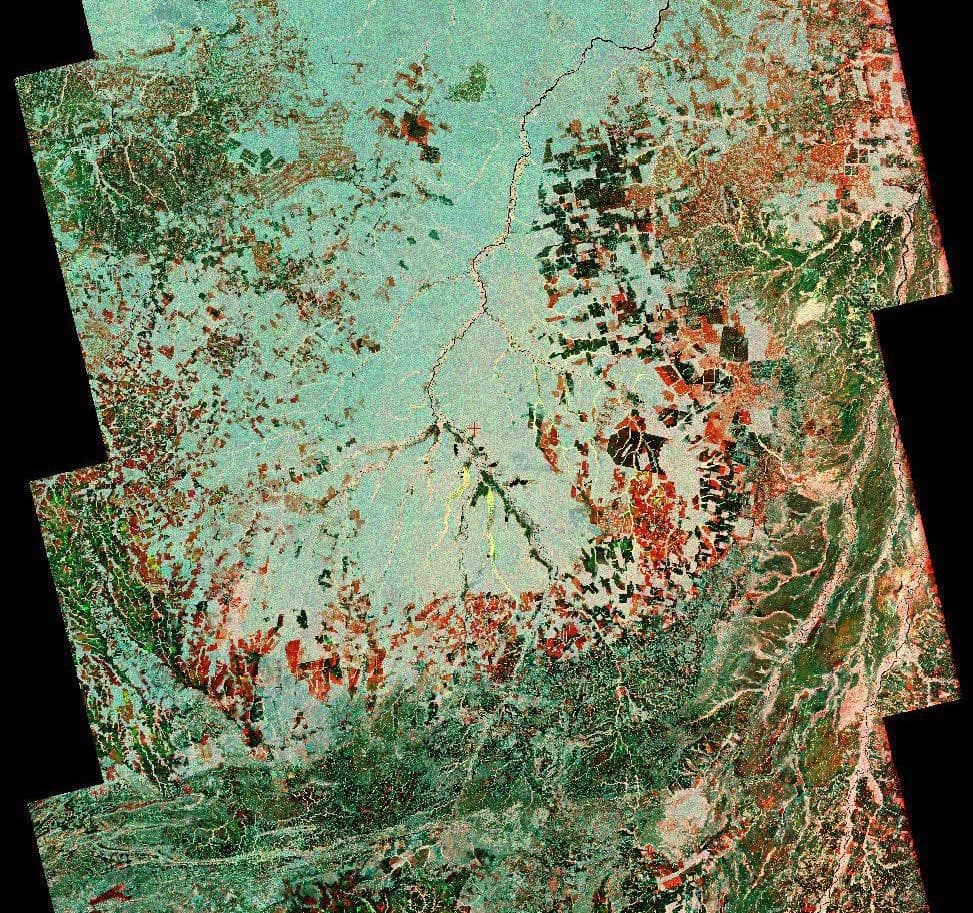
European investors are warning they may pull money from Brazil if deforestation continues to worsen, turning an environmental dispute into a financing risk for the country’s government, companies and export sectors.
That matters because Brazil’s access to foreign capital is increasingly tied not just to growth and rates, but to whether it can prove its agricultural expansion and commodity production are compatible with global climate standards. For overseas investors, especially in Europe, deforestation has become a test of governance and policy credibility rather than a narrow ESG issue.
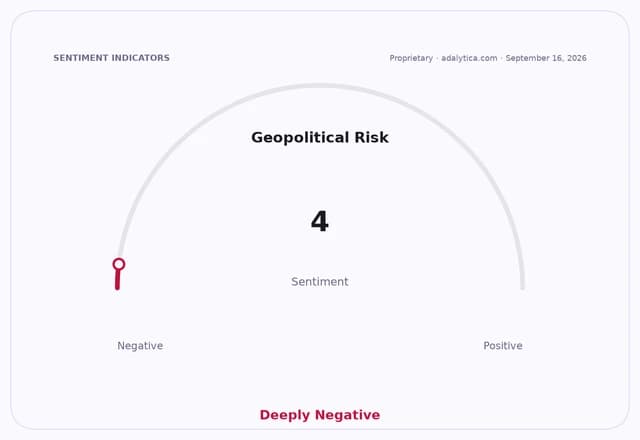
The warning lands at a politically sensitive moment in Brazil, where markets are already pricing a possible change in the country’s policy direction around the next election cycle. Brazilian equities and Petrobras have both rallied sharply as traders bet on a more investor-friendly administration after a runoff, while the broader risk backdrop remains fragile. Adalytica’s global stability gauge is in “Extreme Fear,” underscoring how quickly geopolitical and political stress can reshape capital allocation.
For Brazil, the stakes are broader than reputational damage. European capital is important to sovereign borrowing, bank lending and long-duration investment into sectors such as food, energy and infrastructure. If large asset managers begin excluding Brazil-linked names over land-use practices, the cost of capital could rise for companies seen as exposed to illegal clearing, supply-chain violations or regulatory backlash. That would hit exporters first, but it would also ripple through local banks, insurers and project finance.
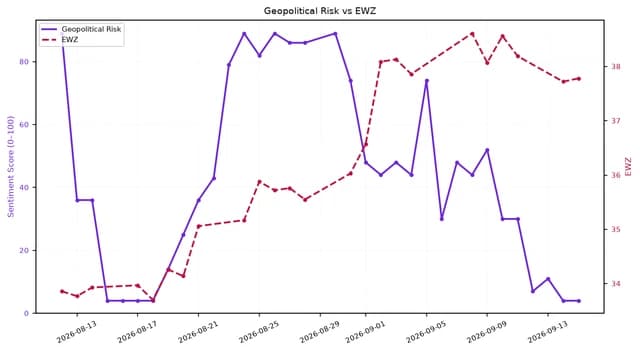
Investors are also watching because the deforestation issue is becoming a valuation filter. Companies with cleaner land-use profiles may attract capital at a premium, while those dependent on frontier expansion could face wider discounts or a smaller buyer base. In a market already sensitive to fiscal credibility and policy shifts, any threat of divestment adds another layer of risk premia to Brazilian assets.
The political narrative connecting these facts is straightforward: Europe is signalling that Brazil’s environmental record is no longer separable from its investment case. If Brasília responds with tougher enforcement and clearer anti-deforestation policy, it could preserve access to foreign capital and support a rerating of Brazilian assets. If not, the pressure could spread from isolated exclusions to broader portfolio divestment, especially if the next government is judged to be easing environmental safeguards.
| Entity | Gains | Losses |
|---|---|---|
| European investors | ▲Climate-aligned portfolios | ▼Exposure to Brazil risk |
| Brazil exporters | ▲If deforestation eases | ▼If divestment spreads |
| Brazilian government | ▲If it tightens enforcement | ▼Policy credibility |
| High-deforestation firms | ▲Little in the near term | ▼Capital access and valuation |