Brazil delays Trump ambassador approval after tariff, visa dispute
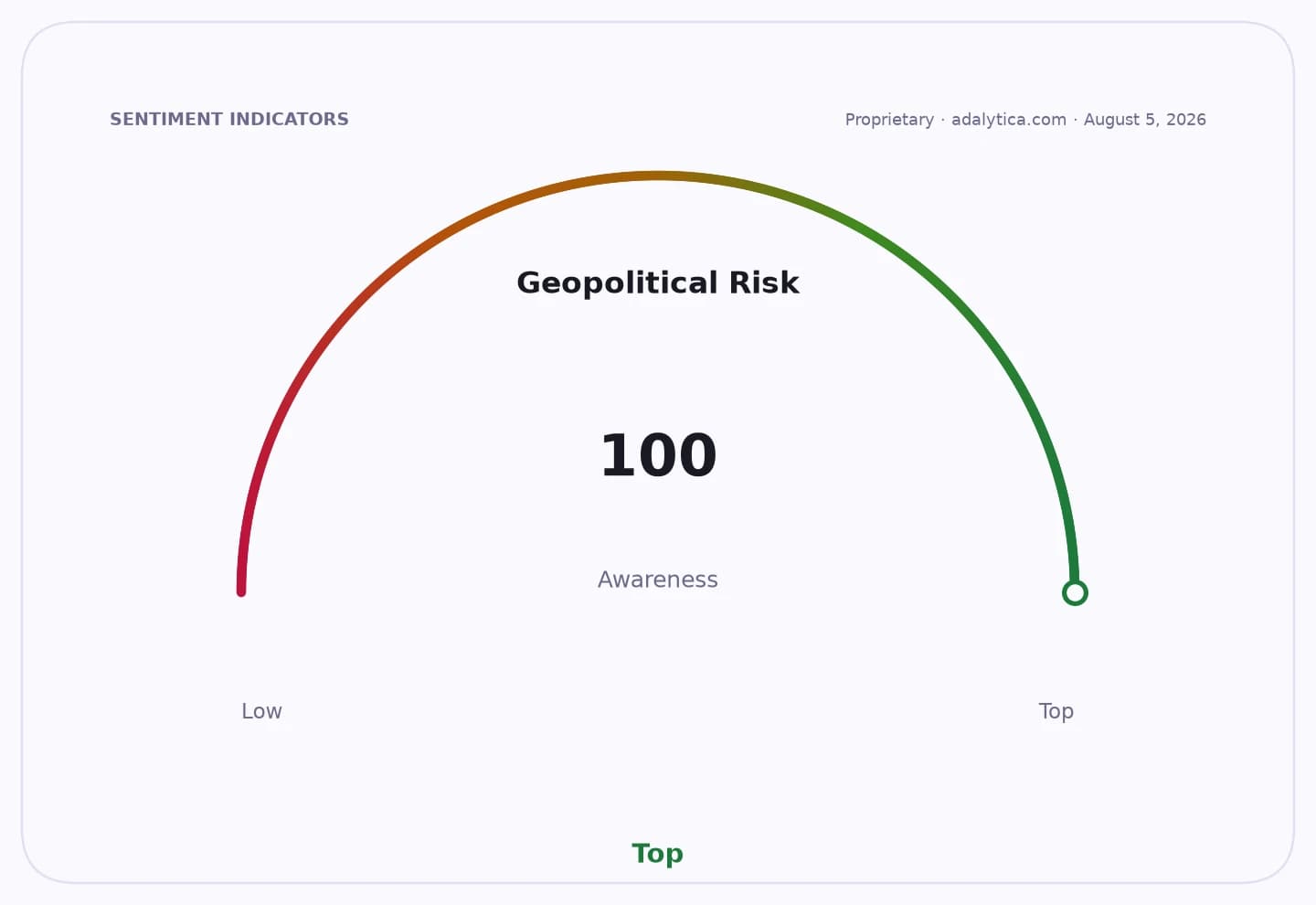
Brazil is likely to hold up approval for Donald Trump’s pick as U.S. ambassador until after next year’s election, a move that underscores how a tariff fight and visa dispute have pushed the bilateral relationship into one of its sharpest political strains in years.
The delay matters because ambassadorial approval is usually a routine diplomatic step. Turning it into a political decision signals Brasília is willing to use protocol as leverage as Washington presses Brazil over trade, visa restrictions and delays in negotiations. It also raises the risk that the dispute spills beyond diplomacy into investment flows, commodities trade and broader market sentiment around Latin America’s largest economy.
For investors, the immediate issue is not the ambassador himself but what the standoff says about policy continuity and external risk. Brazil is a major supplier of soybeans, iron ore, crude and meat to global markets, and a worsening rift with the U.S. could complicate trade talks, raise the odds of retaliatory measures and make foreign capital more cautious ahead of the October vote. That comes at a time when Brazil’s assets have already been trading with elevated volatility.
The local market reaction suggests the geopolitical premium is still manageable but not trivial. The iShares MSCI Brazil ETF, EWZ, has rebounded to $36.09 from a July low near $35.39, but remains below its recent highs around $39 and has lost momentum after touching overbought levels earlier in the year. On standard technical measures, the fund’s 50-day moving average sits at $35.07, close to the latest close, while RSI readings around 52 point to a market that is neither strongly trending nor washed out. The picture is similar in individual stocks tied to the country’s export story: Vale rose to $14.83 from a recent $14.18 low, while BRF slipped to $16.11, underscoring that investors are still discriminating between global commodity exposure and domestic political risk.
The macro backdrop is also unusually sensitive. Adalytica’s Global Stability Sentiment sits at 93, in “Extreme Greed,” while its U.S. dollar trade signal is at 100, reflecting a stronger greenback and tighter global financial conditions. That combination often weighs on emerging-market assets and amplifies any country-specific shock. For Brazil, the danger is that the diplomatic dispute coincides with election-season uncertainty and a tougher external funding environment.
The politics are doing as much damage as the economics. Lula has framed the dispute around sovereignty and control of natural resources, while also keeping channels open with China and Mercosur partners. Washington’s revocation of Brazil’s ambassador’s visa, and Brazil’s pushback, suggests neither side wants to blink first. Even if the immediate economic cost is limited, the longer the impasse lasts, the more it reinforces a narrative of Brazil as a market where politics, foreign policy and trade are increasingly intertwined.
For investors, that leaves a familiar trade-off. Bulls can point to Brazil’s deep commodity base, still-supportive technicals in parts of the market and the possibility that the dispute remains mostly rhetorical. Bears will focus on a broader deterioration in U.S.-Brazil relations, the risk of delayed trade decisions and the prospect that election-year politics keep foreign investors cautious. The next catalyst is likely to be whether Brasília formalizes the delay and whether Washington responds with further measures, which would determine if this remains a diplomatic irritant or becomes a measurable market risk.
| Entity | Gains | Losses |
|---|---|---|
| Brazilian government | ▲Political leverage | ▼Diplomatic goodwill |
| Trump administration | ▲Pressure tactic | ▼Bilateral stability |
| EWZ investors | ▲Rebound if tensions ease | ▼Higher Brazil risk premium |
| Exporters | ▲Stable commodity demand | ▼Trade friction, policy uncertainty |