Brazil extradites Diego Dirísio in arms trafficking case
Brazil’s federal police is bringing Diego Hernan Dirísio back to face accusations that he ran South America’s biggest arms trafficking network, a case that underscores how the region’s illegal weapons trade has become a cross-border financing and security problem rather than a narrow criminal probe.
Dirísio, an Argentine known as the “Master of Arms,” was being extradited from Argentina to Brazil on Wednesday after his arrest in Córdoba in February 2024 on a Brazilian warrant and an Interpol red notice. Brazilian authorities say the scheme he allegedly led with partner Julieta Nardi moved about R$1.2 billion over three years and fed some of Brazil’s most violent gangs.
That matters far beyond one arrest. The Federal Police says the network sold at least 43,000 weapons to the Primeiro Comando da Capital and Comando Vermelho, two of Brazil’s most powerful criminal organizations, while also importing about 25,000 pistols, rifles and rounds of ammunition since 2012. The weapons were said to enter Paraguay legally before being smuggled into Brazil, after serial numbers were erased to frustrate tracing.
For Brazil, the case is a test of its ability to dismantle the financial and logistical pipes behind organized crime. It also highlights how arms trafficking cuts across jurisdictions in Argentina, Paraguay, Europe and the U.S.-linked informal currency market, with payments allegedly routed through unregulated money changers before being sent to Europe to pay suppliers.
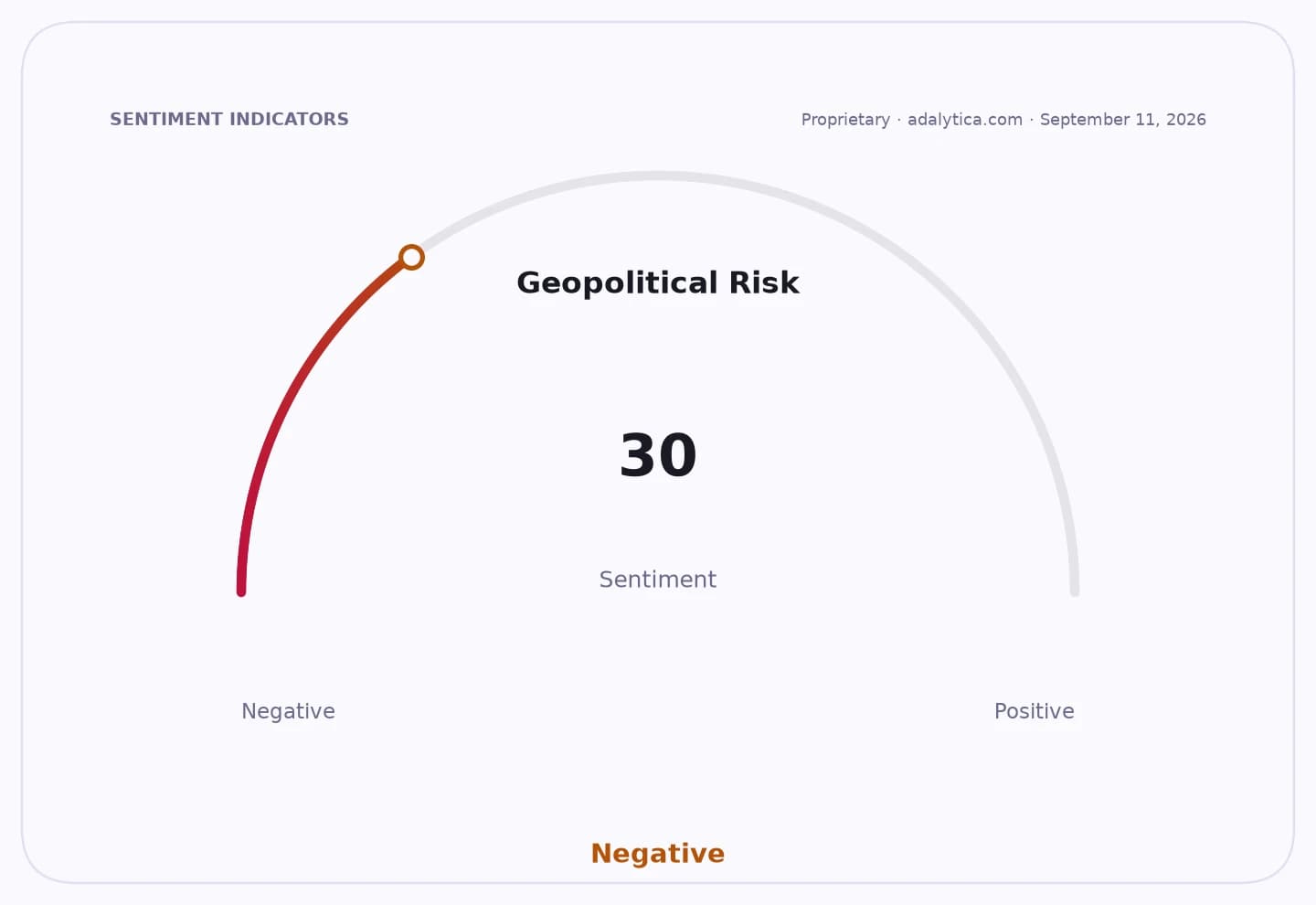
Investors watching Brazil from the outside will read the extradition as another sign that security risk remains elevated in Latin America’s largest economy, even as authorities intensify enforcement. That can matter for domestic sentiment, border security spending and, more broadly, for the risk premium on assets tied to the region when violence and organized crime spill into politics and public finances.
Dirísio’s defense has denied the accusations, saying he was a legally licensed importer and rejecting the PF’s claim that he was the largest arms trafficker in South America. The next focus is the Brazilian court process, which could bring more detail on the alleged supply chain, financing network and the role of Nardi in the operation.
| Entity | Gains | Losses |
|---|---|---|
| Brazilian Federal Police | ▲Bigger case momentum | ▼Burden of proving cross-border network |
| PCC and Comando Vermelho | ▲None | ▼Weapons supply disruption |
| Argentina and Paraguay authorities | ▲Enforcement credibility | ▼Exposure of transit routes |
| Legal arms importers | ▲None | ▼Tighter scrutiny and reputational damage |