Brazil Election Debates Bukele Model
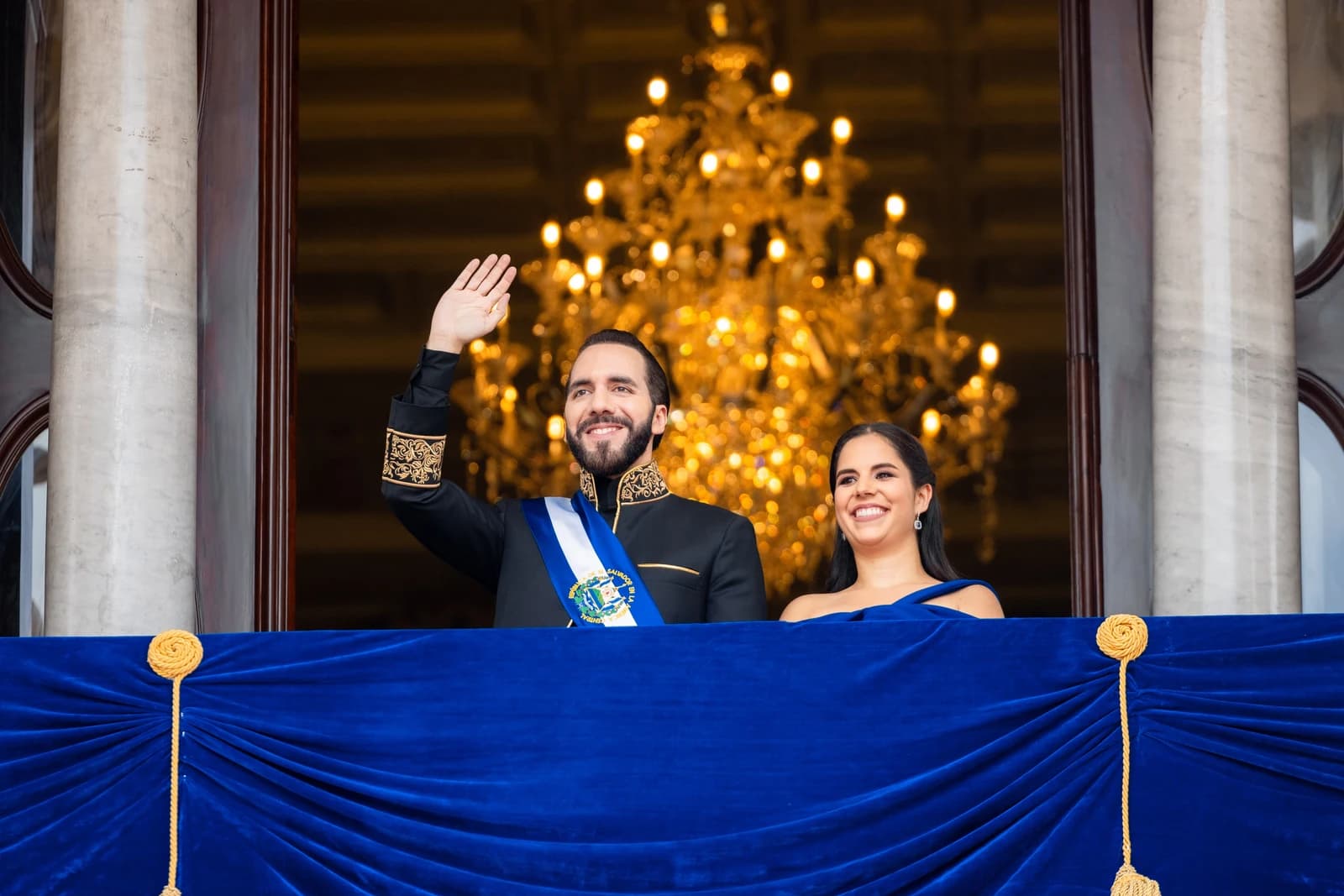
A Salvadoran journalist who fled his country is warning Brazilian voters that the “Bukele model” being promoted by presidential hopefuls is not just a tough-on-crime blueprint, but a system built on mass detention, weakened due process and concentrated power.
That warning matters because crime and public security are moving to the center of Brazil’s presidential contest, and one of the country’s leading right-wing candidates, Senator Flavio Bolsonaro, has openly embraced the Salvadoran approach after meeting with a Salvadoran minister. In a race that is tightening as official campaigning begins, security politics is no longer a side issue: it is shaping voter alignment, coalition-building and the policy debate that could define the next administration.
Carlos Dada, co-founder of El Faro, said the appeal of Nayib Bukele’s model in Brazil is worrying precisely because its public image is far cleaner than the reality behind it. Bukele’s showpiece Cecot megaprison has become a symbol of order and control, but Dada said the wider system relies on arbitrary arrests, closed prisons and a fifth year of emergency rule. He argued that what is sold as an anti-gang success has also produced political repression, including the forced exile of much of El Salvador’s independent press.
The economic stakes for Brazil are not trivial. Public safety is now being framed not just as a law-and-order issue but as a state capacity question that touches prisons, courts, policing budgets and fiscal commitments. Bolsonaro has promised 500,000 new prison places, a vast expansion that would imply heavy capital outlays and recurring operating costs for a country already struggling with tight public finances. Dada’s warning that applying El Salvador’s incarceration rate to Brazil would mean a prison population of about 4 million underscores the scale of the policy divergence being floated in the campaign.
For investors, the relevance runs through several channels. A harder security stance can be politically popular if crime remains elevated, but it also raises questions about institutional quality, legal predictability and fiscal discipline. Any push toward mass incarceration would affect construction, prison-services and security suppliers, while increased political confrontation or rights concerns could feed into Brazil risk premiums. That is particularly relevant in markets already sensitive to debt management, public spending and the direction of the real and local assets.
The market backdrop is showing that Brazil remains investable, but with political risk embedded. EWZ, the iShares MSCI Brazil ETF, has climbed to around $37.86 from $35.47 in late July, yet its RSI reading above 80 points to technically overbought conditions after a sharp run. Petrobras preferred shares have also rallied, with PBR recently trading near $20.12, well above its 50-day moving average, reflecting stronger energy prices and investor appetite even as election rhetoric intensifies. The move suggests markets are not pricing in a crisis, but neither are they ignoring the election’s policy risks.
Dada’s interview also sharpens the contrast between Bukele’s approval ratings and the governance costs of his model. He said the crackdown became popular because it removed daily fear in gang-dominated neighborhoods, but he argued that the arrests were indiscriminate and that roughly two-thirds of detainees were innocent. He cited rights groups and independent jurists accusing the Salvadoran government of crimes against humanity. That makes Bukele’s brand powerful politically, but potentially corrosive institutionally — a combination that could tempt candidates elsewhere while imposing long-run costs on rule of law.
The broader message for Brazil is that the 2026 race is being pulled toward a choice between punitive symbolism and institutional restraint. Lula’s camp is emphasizing budget discipline and defense priorities, while Bolsonaro’s side is pressing a tougher-security message that has clear electoral appeal. If crime remains the defining campaign issue, the Bukele model may keep gaining traction. But for voters, courts and markets alike, the central question is whether imported toughness would produce safer streets without importing the democratic damage that Dada says El Salvador has already paid for.
| Entity | Gains | Losses |
|---|---|---|
| Flavio Bolsonaro / hard-right camp | ▲Crime-focused voters | ▼Fiscal conservatives |
| Lula / center-left camp | ▲Institutional argument | ▼Security message |
| Brazilian prison builders and security firms | ▲Budget expansion | ▼Rights advocates |
| Brazilian democracy and courts | ▲— | ▼Due process, checks and balances |