Brazil EWZ closes at $36.11 above 50-day average
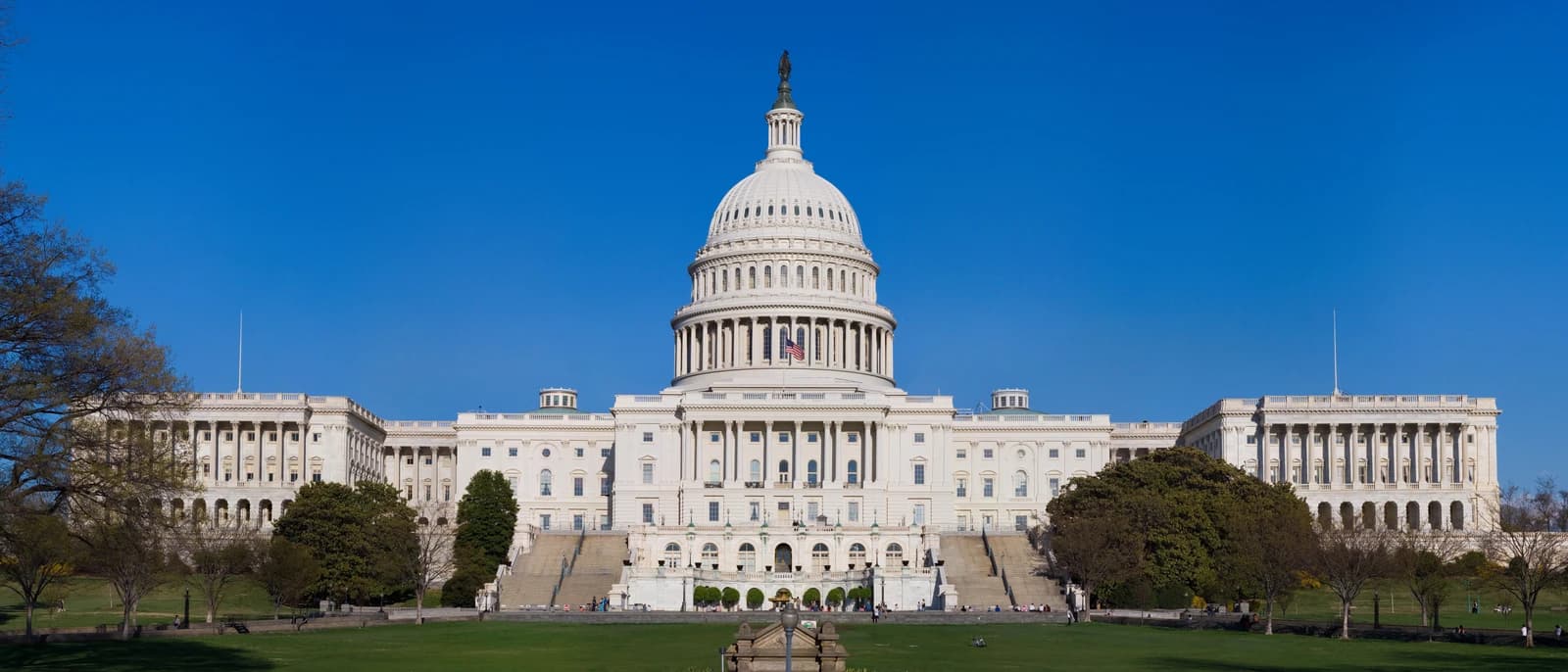
Brazil is becoming the clearest Latin American flashpoint in the renewed contest for U.S. influence, and the market is starting to treat that geopolitical friction as an investable theme rather than a distant diplomatic story.
The economic stakes are bigger than the rhetoric. Brazil sits at the intersection of critical minerals, energy, food supply, digital payments and regional trade, making it a natural pressure point as Washington looks to reassert leverage in the Western Hemisphere. That matters because countries with strategic resources and deep trade ties to both the U.S. and China are increasingly being priced not just on growth, but on alignment risk, policy autonomy and access to capital.
For investors, the message is that Brazil is no longer just a cyclical commodity trade. It is a geopolitical proxy. The Brazil ETF, EWZ, has climbed back above its 50-day moving average and is trading close to its 200-day line, with the latest close at $36.11 versus a 50-day average of $35.07 and a 200-day average of $35.02. That recovery suggests the market is willing to pay for exposure to a country whose strategic relevance is rising, even as volatility persists. Petrobras, through PBR, has also pushed higher, with the shares at $18.36 and still above both its 50-day and 200-day moving averages. BRF, by contrast, remains below its longer-term average, showing how selectively capital is rewarding Brazilian names tied to external demand and hard assets, while punishing weaker domestic stories.
The bigger macro backdrop reinforces the trade. The 10-year U.S. Treasury yield is sitting near 4.67%, a level that keeps global financing conditions tight and raises the premium investors demand from emerging markets with political or policy uncertainty. At the same time, recession risk in the U.S. remains absent, which gives Washington more room to pursue a harder geopolitical line without the market immediately forcing a retreat. Adalytica’s Global Stability Sentiment reads at 82, or “Greed,” while the U.S. dollar trade signal shows “Extreme Greed,” underscoring how quickly capital can rotate toward perceived safety when geopolitical narratives intensify.
That is why Brazil matters now. Its mineral base, its role in Mercosur and its importance as a regional counterweight make it one of the few countries in Latin America that can attract both strategic attention and portfolio flows. Investors should view pullbacks in high-quality Brazilian energy and broad-market vehicles as opportunities to accumulate exposure to a long-duration geopolitical re-rating. The near-term catalyst is continued U.S.-Brazil friction; the longer-term catalyst is Brazil’s ability to monetize scarcity in critical minerals, logistics and energy while remaining indispensable to multiple power centers.
The market is underestimating how quickly geopolitics can turn Brazil from an emerging-market allocation into a strategic one. I believe the better trade is not to chase the headlines, but to position early in the asset classes and companies most exposed to Brazil’s rising bargaining power.
| Entity | Gains | Losses |
|---|---|---|
| Brazil / EWZ | ▲Geopolitical premium | ▼Policy discount |
| Petrobras / PBR | ▲Energy leverage | ▼Importers of crude |
| U.S. strategic interests | ▲Hemisphere influence | ▼Chinese sway |
| BRF | ▲None | ▼Underperforming Brazilian exposure |