Brazil ETF EWZ Rises on Election Uncertainty
Brazil’s 2026 presidential race is turning into a market event, and investors are already voting with their money: the main Brazil ETF, EWZ, has climbed to $36.57, while Petrobras and Vale have pushed to $20.33 and $15.12, respectively, as polls narrow and traders price a more open contest between President Luiz Inácio Lula da Silva and challenger Flávio Bolsonaro.
That matters because Brazilian equities often reprice fastest when politics shifts the outlook for taxes, spending, regulation and state influence over the economy. A tighter race can reset expectations for everything from Petrobras’ capital allocation to the policy backdrop for miners, banks and consumer companies. For long-term investors, it is less about predicting the winner and more about understanding that Brazil’s market discount can change quickly when the path to power looks less one-sided.
EWZ’s recent move is telling. The fund is now well above both its 50-day and 200-day moving averages, and the latest close came with a sharp jump in volume, showing real investor interest rather than a quiet drift higher. Petrobras has been even stronger, with the stock near $20.33 and trading at a hefty premium to its 50-day and 200-day averages. Vale has also stabilized, holding near $15.12 after a volatile year that reflected both iron-ore swings and Brazil-specific risk.
The technical picture is not the story by itself, but it helps confirm the narrative. EWZ’s RSI reading of 81.5 suggests the ETF is overheated in the short term, which is common when political optimism floods in quickly. Petrobras’ RSI of 78.6 points to similar momentum. Vale’s reading near 68.8 is less extreme, which fits a stock that is participating in the rally but is not yet as stretched as Petrobras. In plain English: investors are positioning for a friendlier Brazil, but they are doing it with some urgency.
The election backdrop explains why. A one-point lead in the polls is no longer enough to make the outcome feel settled, and that uncertainty is exactly what can unlock upside in Brazilian assets. Markets tend to dislike predictability when the status quo carries policy risk. If the race remains open, investors can start to imagine a more market-friendly mix of fiscal discipline, business confidence and less state intervention than they may have assumed under a clearer Lula path. That is especially important for Cedears and other dollar-linked vehicles that give investors exposure to Brazilian companies without having to buy the local market directly.
For Petrobras, the election is especially relevant because the company sits at the intersection of politics and cash flow. Any shift in the balance of power can affect how much freedom management has to prioritize dividends, investment and pricing. For Vale, the stakes are more indirect but still meaningful: a better policy climate can support capital flows, infrastructure expectations and the broad risk premium on Brazilian cyclicals. EWZ is the cleanest expression of that bet because it captures the market’s evolving view of the country as a whole.
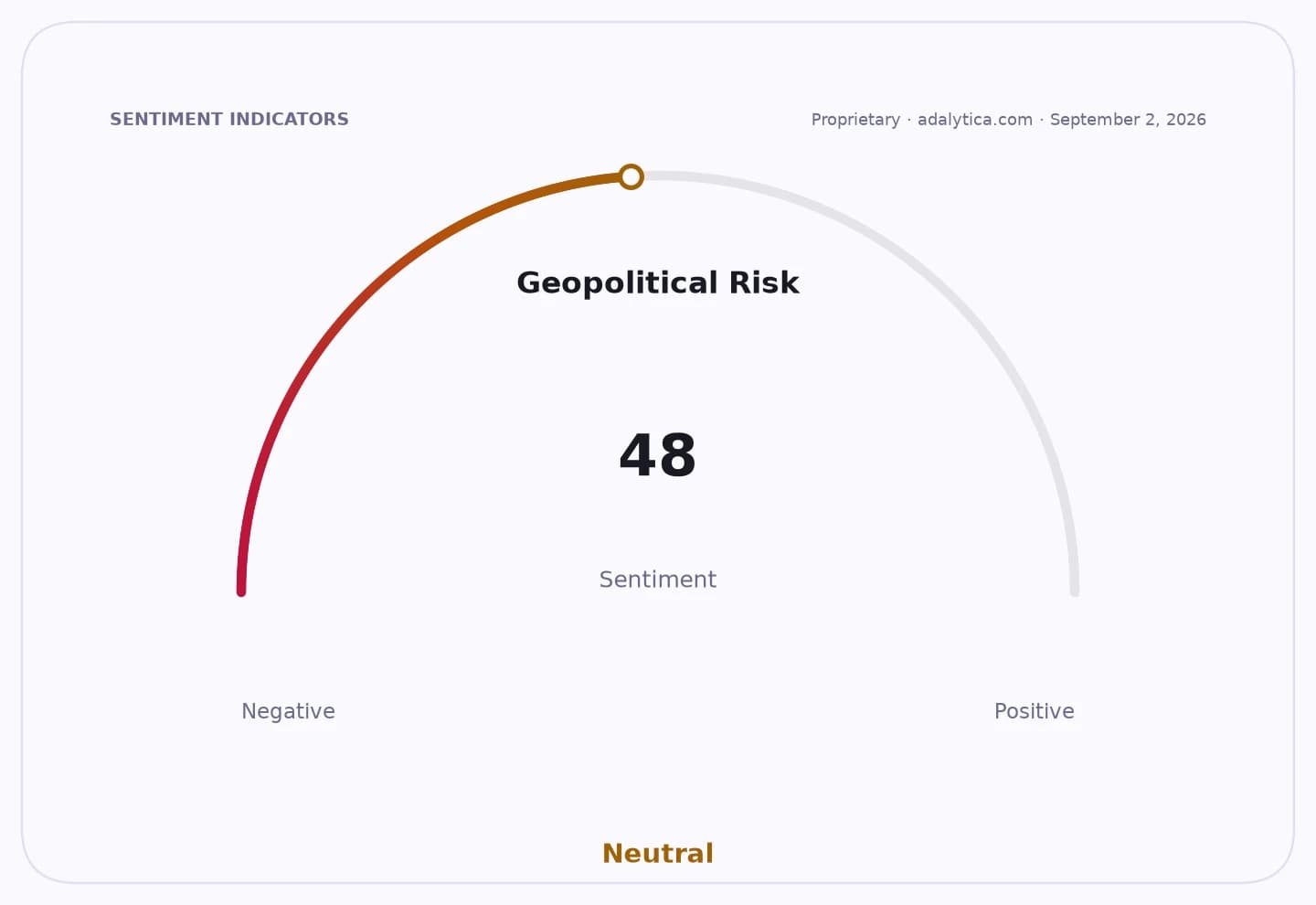
Investors should keep one thing in mind: this is not a straight-line trade. Brazil’s electoral backdrop is volatile, and the latest readings on the Adalytica Global Stability Sentiment gauge show a neutral overall tone with extreme fear in awareness terms, underscoring how quickly headlines can unsettle sentiment. But for patient investors, the opportunity is in buying strong businesses and broad exposure when politics is still being priced, not after the election outcome is fully known.
If the race stays close, Brazil’s listed assets could keep drawing attention from investors looking for contrarian exposure to a large commodity-rich economy with plenty of room for rerating. For now, EWZ, Petrobras and Vale belong on the watchlist — and for diversified investors, this is the kind of country-specific setup that can reward patience over the next 3 to 10 years.
| Entity | Gains | Losses |
|---|---|---|
| EWZ buyers | ▲Broader Brazil rerating | ▼Short-term overbought risk |
| Petrobras shareholders | ▲Policy optionality, dividend hopes | ▼Greater political volatility |
| Vale investors | ▲Lower Brazil risk premium | ▼Exposure to election uncertainty |
| Bolsonaro/Lula uncertainty | ▲Market attention, higher turnover | ▼Calm, predictable pricing |