Brazil’s retail food inflation has recorded its first weekly decline of the year, a sign that falling prices in the countryside are finally starting to filter through to consumers and easing one of the biggest pressure points in the country’s inflation outlook.
Brazil Food Inflation Eases, Supporting Disinflation
That matters because food has been a stubborn source of volatility in Brazil’s price basket even as broader inflation has moderated. A weekly pullback in retail food prices suggests farm-gate softness is beginning to improve the supply picture, which could help cool headline inflation and reduce pressure on policymakers at a time when the central bank is still weighing how long to keep rates restrictive.
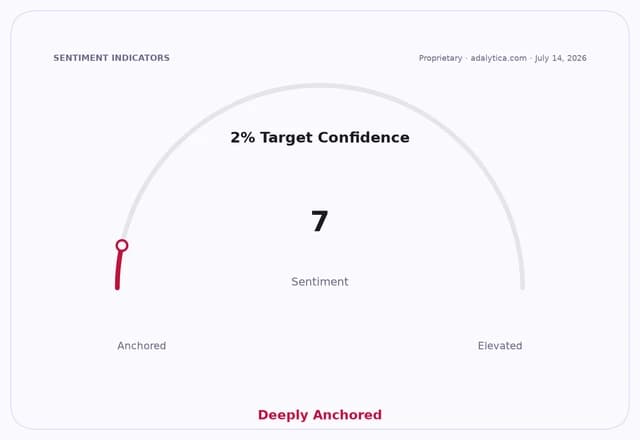
Sentiment IndicatorsⓘProprietary · adalytica.com · July 14, 2026
This is a snapshot — live sentiment, awareness and momentum for 130+ markets update continuously in the dashboard.Open AlphaPulse
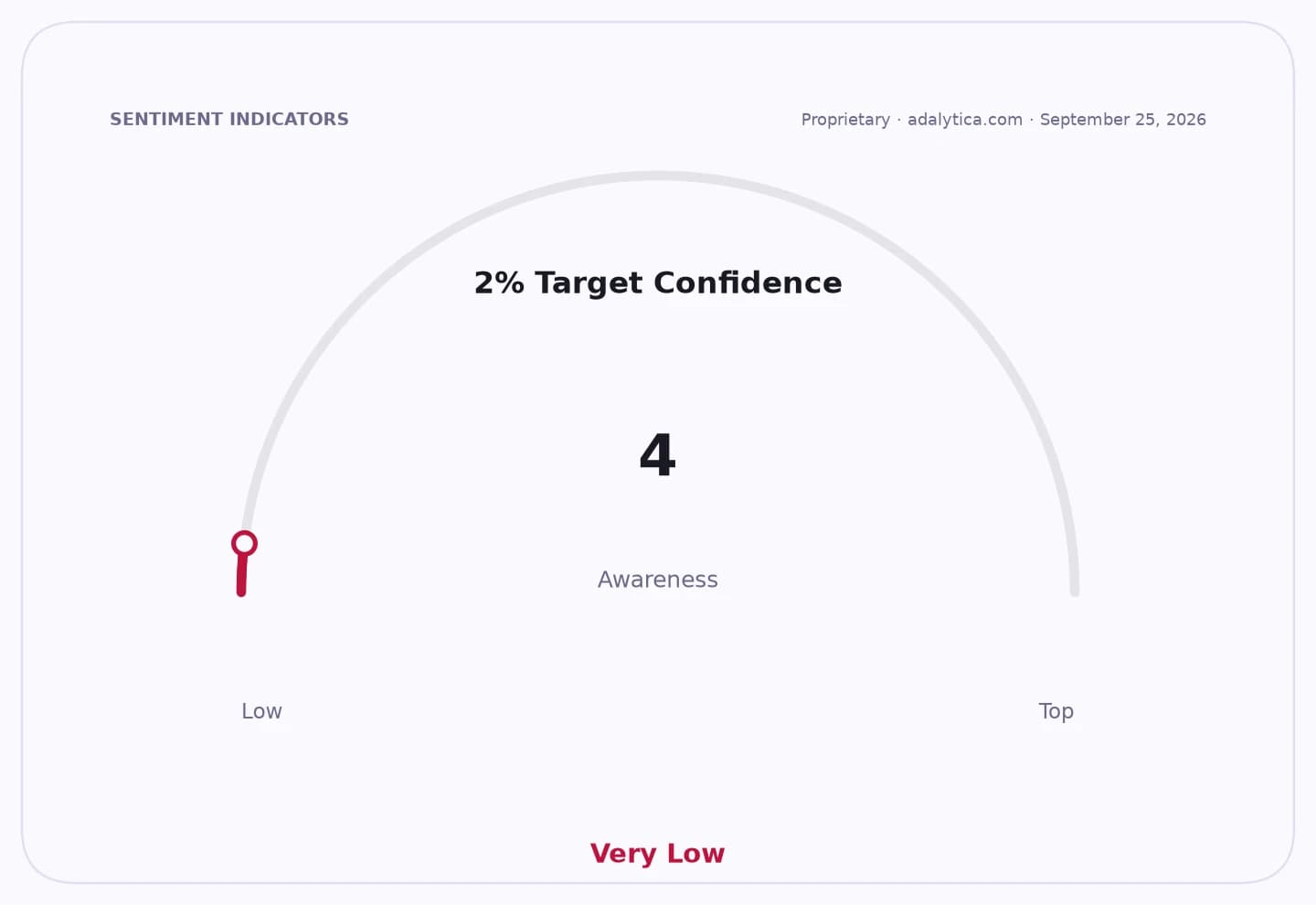
The move also lands against a fragile consumer backdrop. Adalytica’s CPI sentiment gauge is at 14, or “Extreme Fear,” while confidence in the Fed’s 2% inflation target sits at 7, underscoring how sensitive markets remain to any sign that price pressures are easing or reaccelerating. Long-term inflation expectations have also slipped to a neutral 37, suggesting investors are still looking for proof that disinflation is durable.
For investors, the immediate read-through is lower input and shelf-price pressure across Brazil’s food chain. That can support margins for retailers and packaged-food names, but it can also weigh on producers and agribusinesses if the rural price decline persists. Brazil-focused assets, including the EWZ ETF, have already been trading with elevated momentum; the fund’s latest close of 35.39 sits above both its 50-day and 200-day moving averages, even as its RSI of 61.1 points to still-firm but no longer overheated sentiment.
The broader backdrop is mixed. Brazil’s export sector is contending with weaker shipments to the U.S. and tariff pressure on agricultural goods, including sugar, while domestic demand for fresh food remains resilient. That combination leaves food inflation caught between softer farm prices at home and a volatile external trade environment.
The next test is whether the weekly drop turns into a sustained trend in retail and wholesale food prices, and whether that feeds through to the next inflation readings without being offset by weather, currency swings or renewed commodity strength.
| Entity | Gains | Losses |
|---|---|---|
| Brazilian consumers | ▲Lower grocery prices | ▼Less immediate urgency for wage gains |
| Retailers | ▲Potential volume support | ▼Squeezed pricing power |
| Food producers/farmers | ▲— | ▼Lower farm-gate prices |
| Brazil policymakers | ▲Easier disinflation path | ▼Less room if food prices reaccelerate |