Brazil Inflation Outlook Stays at 5.02% for 2026

Brazil’s benchmark inflation outlook for 2026 remained stuck at 5.02% in the latest Focus survey, underscoring how far expectations still sit above the central bank’s target ceiling and making near-term monetary easing harder to justify.
The reading matters because it suggests inflation is proving stubborn even as policymakers and markets had hoped price pressures would gradually retreat. At 5.02%, the median forecast is well above Brazil’s upper tolerance band, keeping the inflation problem squarely in the hands of the Banco Central do Brasil and limiting room for any aggressive shift toward lower interest rates.
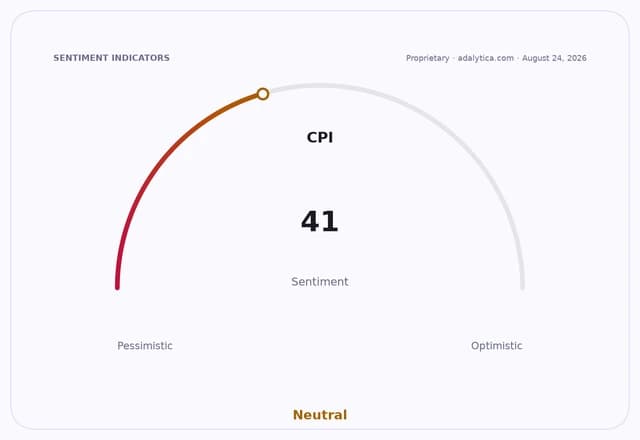
That backdrop is already reflected in local asset prices. Brazil-focused ETF EWZ has lost momentum after an earlier rally, and at $35.06 most recently it remains below its 200-day moving average of about $35.33, a sign that investors have become less willing to chase Brazilian equities higher. The real has also held around 5.16 per dollar, near the levels where it has been trading for much of the year, showing little sign of the kind of currency strength that would help bring imported inflation down more quickly.
The macro picture is not helping. U.S. Treasury yields remain elevated, with the 10-year note around 4.68%, a level that keeps global financing conditions tight and raises the hurdle for risk assets in emerging markets. For Brazil, that means inflation expectations are being shaped not just by domestic demand and food costs, but also by external funding conditions and exchange-rate sensitivity.
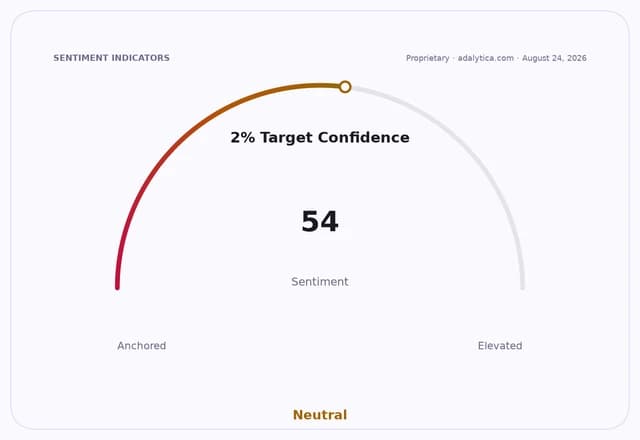
Adalytica’s inflation-related sentiment gauges show the market remains uneasy. Confidence in the Fed’s 2% inflation target and long-term inflation expectations both sit in neutral-to-greedy territory, reflecting a broader global backdrop in which investors are still pricing sticky price pressures rather than a clean disinflation path. In Brazil, that translates into caution around local bonds, a more selective stance on equities and continued reliance on carry trades that can reverse quickly if the real weakens.
For the central bank, the problem is credibility as much as the headline number. If expectations stay anchored above target, rate cuts risk being interpreted as premature, which could feed into wage negotiations, pricing decisions and longer-term bond yields. For investors, the implication is that Brazil remains a high-yield market with inflation risk attached, rather than a straightforward easing story.
The next focus will be whether incoming data or currency moves finally pull forecasts lower. Until then, the persistence of the 2026 median at 5.02% suggests Brazil’s inflation fight is far from over.
| Entity | Gains | Losses |
|---|---|---|
| Banco Central do Brasil | ▲Policy credibility | ▼Rate-cut flexibility |
| Holders of Brazilian real assets | ▲High carry support | ▼Valuation upside |
| Brazilian exporters | ▲Softer real competitiveness | ▼Higher import costs |
| Brazilian consumers | ▲None | ▼Purchasing power |