Brazil Lula FAO speech on hunger policy
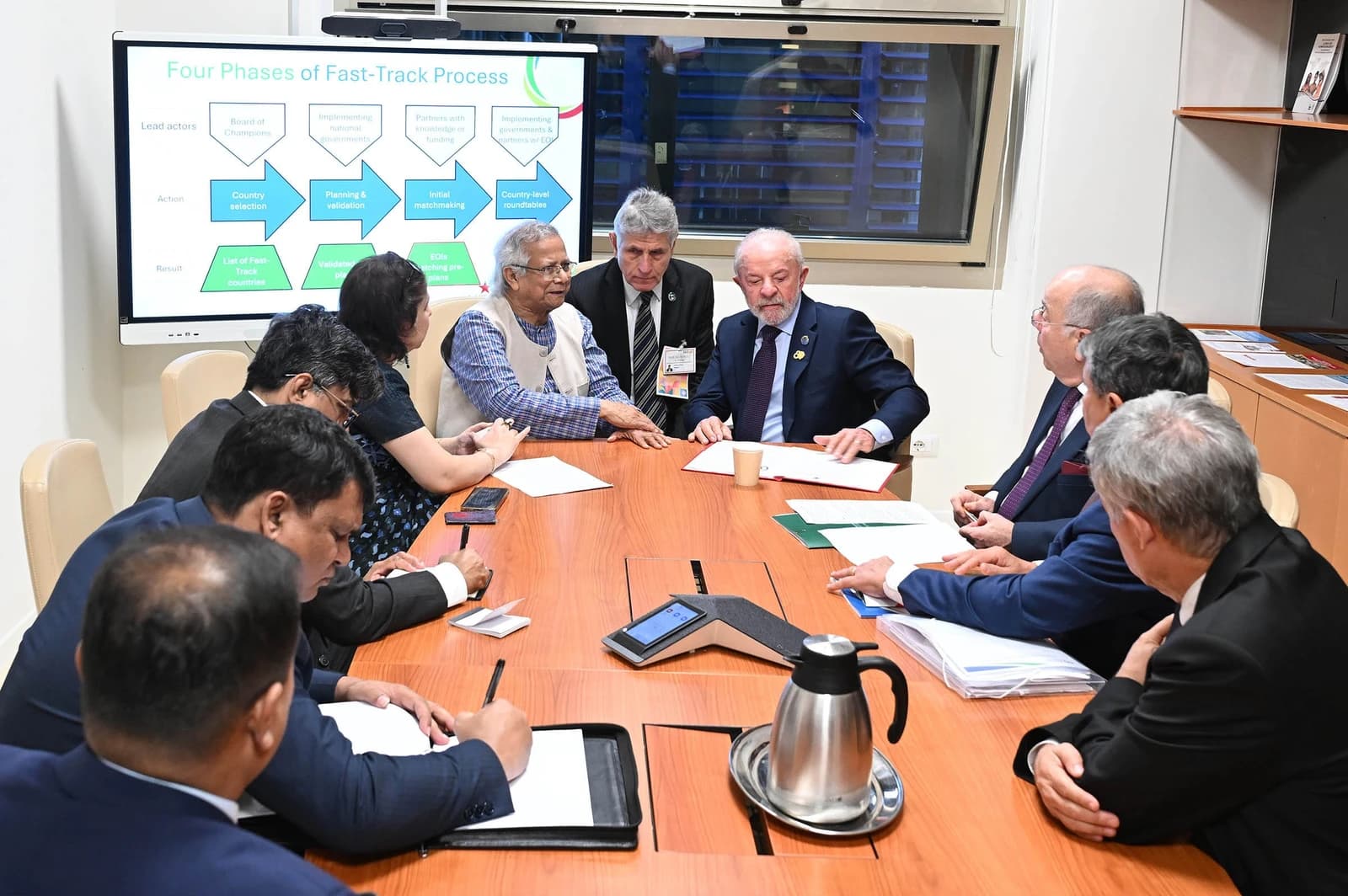
Brazilian President Luiz Inácio Lula da Silva used a FAO conference in Brasília to argue that hunger can be eradicated with the right policies, turning Brazil’s own experience into a political and economic case for more aggressive food-security spending.
That message matters because the debate over hunger is no longer just humanitarian. It is increasingly tied to inflation, rural incomes, fiscal priorities and geopolitical risk, with food shortages and aid bottlenecks worsening in several regions even as the world produces enough calories overall. Lula’s pitch frames Brazil not only as a regional power but as a policy laboratory for emerging markets trying to stabilize households and expand demand through access to food.
Speaking at the opening of the 39th Regional Conference for Latin America and the Caribbean of the UN Food and Agriculture Organization, Lula said Brazil had already exited the UN “hunger map” twice, crediting public policies that supported food production, farm activity and household income. His argument was direct: the science, technology and global food supply already exist, but political commitment does not.
For investors, the significance lies in the economic spillovers of food insecurity. When basic staples become scarce or expensive, consumption weakens, subsidy bills rise and social pressure intensifies. That hits everything from sovereign risk premia in developing economies to margins for agribusiness, food distributors and consumer staples companies. It also reinforces demand for agricultural infrastructure, logistics, fertilizer, seeds and productivity-enhancing technology.
The backdrop is bleak. Hunger pressures are rising in conflict zones and poor harvest regions, while inflation is still eroding purchasing power in many low-income economies. In that environment, Lula’s message is both domestic and international: Brazil wants to be seen as proof that policy can move the needle, and as a voice arguing that hunger is a solvable development problem rather than an unavoidable one.
The conference also has a practical policy dimension. It brings together governments, international organizations, academia and civil society to set priorities for 2026-2027, giving Brazil an opportunity to shape the regional agenda on rural development and food security. That could matter for funding flows, agricultural cooperation and public-private investment in the food supply chain across Latin America.
The bull case is that Brazil’s experience can guide more targeted spending on farm output and household income, supporting growth while reducing vulnerability. The bear case is that political will is easier to promise than finance, especially when fiscal constraints, conflicts and climate shocks keep pressuring food systems. For markets, the key question is whether Lula’s rhetoric translates into durable policy that lifts productivity and demand without worsening budget strain.
| Entity | Gains | Losses |
|---|---|---|
| Brazil | ▲Policy credibility; regional influence | ▼Pressure to deliver results |
| Low-income households | ▲Better food access | ▼Continued exposure to inflation |
| Agribusiness and farm suppliers | ▲Higher demand for output and inputs | ▼Margin pressure from policy costs |
| Conflict-affected regions | ▲Potential aid focus | ▼Ongoing shortages and instability |