Brazil Lula seeks federal role in public security
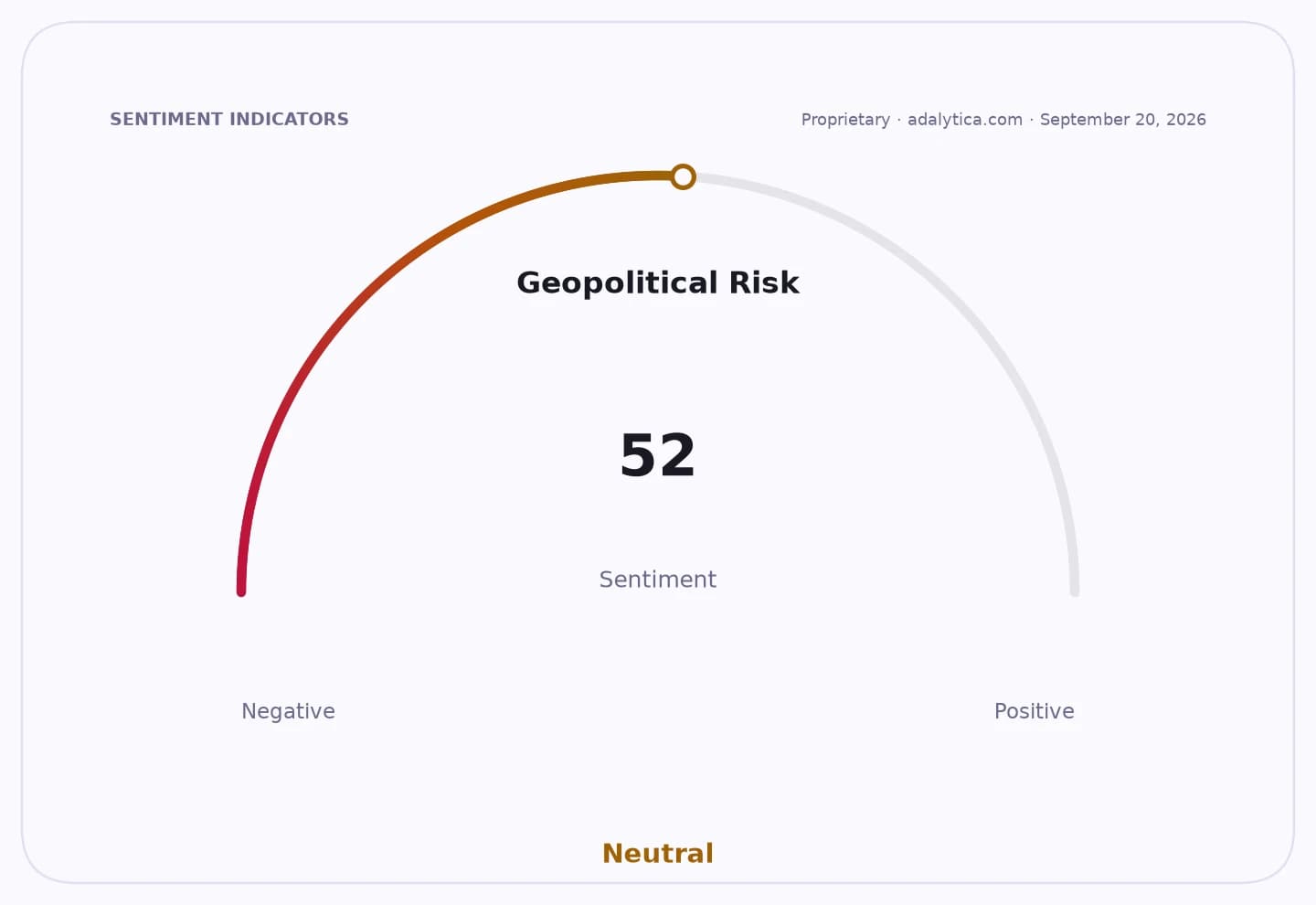
Brazilian President Luiz Inácio Lula da Silva is moving to change the Constitution to give the federal government a bigger role in public security, a shift that could reshape how the country fights organized crime and how investors assess risk in Rio de Janeiro and other major cities.
The move matters economically because crime is not just a law-and-order problem in Brazil: it raises operating costs, disrupts tourism, deters investment and adds a risk premium to assets tied to the country’s biggest urban and industrial centers. Lula’s remarks also put the debate directly into the institutional arena, where any change in policing powers, intelligence-sharing and federal intervention could have long-running effects on public spending and enforcement.
Lula said the state’s current setup leaves the frontline police fighting the “criminal on the corner” while the real leaders of drug gangs and militias operate from safer, richer neighborhoods. He argued that the 1988 Constitution pushed too much responsibility to states and left the federal government without enough authority to coordinate the response.
The president said his administration will send a constitutional amendment to Congress to define more clearly what falls to the federal government, states and municipalities. He also described the plan in Rio de Janeiro as a pilot project linking the federal police, highway police, state forces and city hall, while backing an armed municipal guard and efforts to retake territory controlled by armed groups.
For investors, the immediate market impact is less about a direct trade and more about Brazil’s risk backdrop. Rio is a key tourism hub and Petrobras’ home state, and Lula explicitly linked public security to the state’s economic image and its role as Brazil’s biggest oil-producing region. A more coordinated crackdown could support activity in consumer, transport, real estate and tourism sectors, while also reducing the drag from organized crime on logistics and local commerce.
Brazilian assets have already been moving in a mixed global risk environment. EWZ, the main Brazil ETF, closed at $37.52 on Sept. 18, above both its 50-day and 200-day moving averages, while Petrobras ADRs ended at $20.80 and BRF at $16.20. Technical readings across those names show firm momentum but also elevated short-term strength, with EWZ’s RSI at 65.6 and Petrobras’ at 68.3, levels that suggest investors have been leaning into Brazilian exposure even as policy and security headlines remain a background risk.
The broader political fight now shifts to Congress and the courts, where Lula’s proposed overhaul will face questions over federal authority, state autonomy and how much power police and prosecutors should share with the judiciary. The next test for investors is whether the government can turn the Rio pilot into a broader framework without adding institutional friction or unsettling state-level relations.
| Entity | Gains | Losses |
|---|---|---|
| Federal government | ▲More security authority | ▼Less institutional ambiguity |
| Rio city/state forces | ▲Federal coordination and resources | ▼Autonomy over policing |
| Residents and businesses | ▲Lower crime risk | ▼Disruption during enforcement |
| Crime networks/militia groups | ▲— | ▼Greater intelligence pressure |