Brazil Lula New York trip and U.S. trade talks
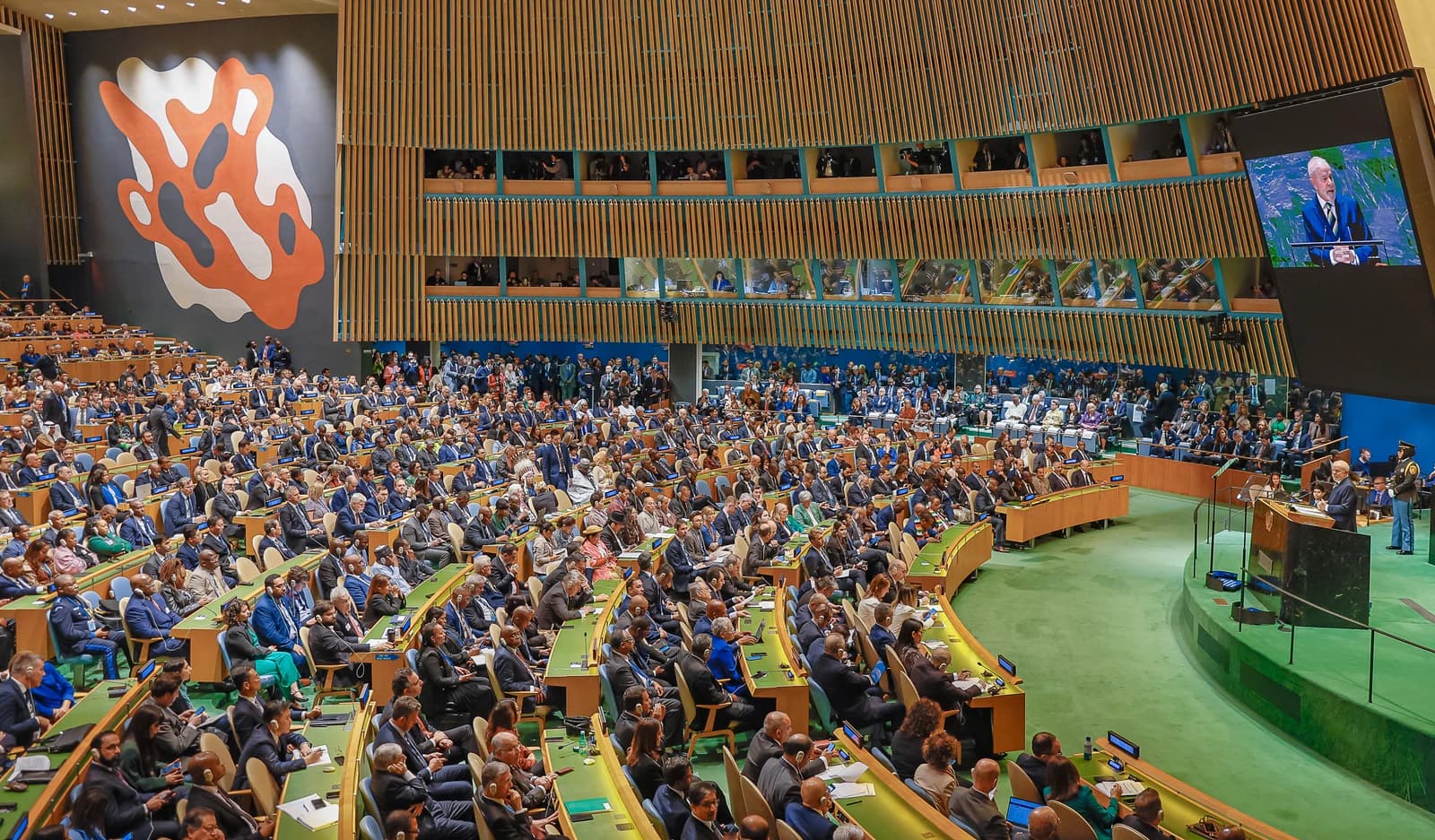
President Luiz Inácio Lula da Silva’s trip to New York is about more than diplomacy. It is Brazil’s latest attempt to defend its economic interests, keep trade channels open with the U.S. and project stability at a time when investors are watching for signs of tariff friction, currency pressure and wider geopolitical risk.
Lula left Brasília on Sunday for the U.N. General Assembly, where he is set to deliver the opening address on Tuesday and argue for peace, dialogue and multilateralism. His message that Brazil “respects everyone and demands respect” lands in a sensitive moment: Brasília is resisting U.S. pressure on issues ranging from critical minerals to electoral influence, but it is also avoiding retaliation while negotiations remain alive. That combination matters because it suggests Brazil wants leverage without escalation, a stance that can protect trade flows and reduce the odds of a sharper market shock.
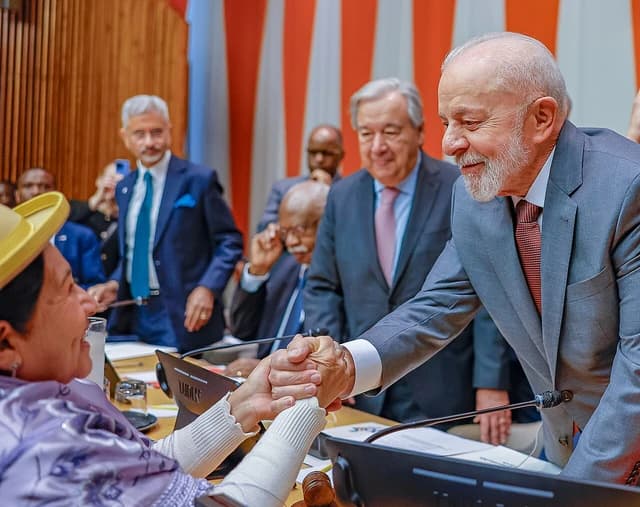
For investors, the key question is whether Brazil can preserve access to its export markets while keeping the country attractive to global capital. The answer is increasingly tied to diplomacy as much as economics. Lula is expected to renew calls for reform of the U.N. Security Council and defend noninterference, but the market relevance is simpler: Brazil is trying to show that it can be a reliable, sovereign partner even while pushing back on Washington. If that approach holds, it supports the case for long-term exposure to Brazilian assets rather than a short-term trade around political noise.
That backdrop helps explain the recent resilience in Brazilian-linked assets. The iShares MSCI Brazil ETF, EWZ, has climbed to about $37.81 from the mid-$30s area in July, while remaining above both its 50-day and 200-day moving averages. Petrobras, one of Brazil’s most important global proxies, has also held near $21.09, well above its longer-term trend lines. Those are not just chart points; they reflect a market that is still willing to give Brazil the benefit of the doubt when policy is disciplined and external tensions stay contained.
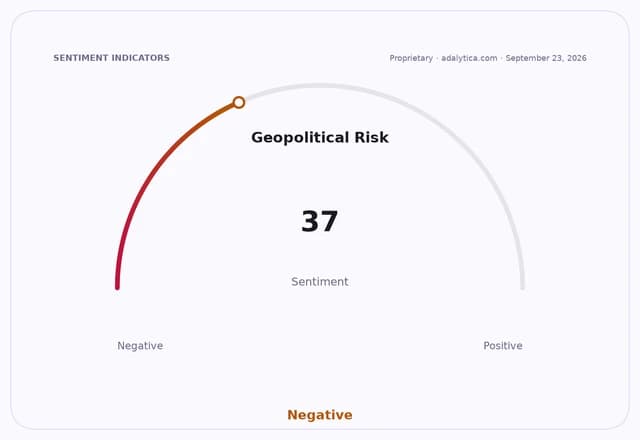
The bigger story is that Brazil is trying to turn diplomacy into an economic asset. Lula’s posture suggests no sudden rupture with the U.S., no immediate reciprocity tariffs and no abandonment of multilateral trade building elsewhere. That is the kind of approach that can support the real economy by limiting uncertainty for exporters, commodity producers and foreign investors who need predictability more than headlines.
There are still risks. Any breakdown in talks with Washington could revive tariff threats, pressure the real and weaken sentiment toward Brazilian equities. But for patient investors, the message from New York is constructive: Brazil appears intent on defending its interests without burning bridges. That makes the country worth watching, especially for those willing to think in years, not days.
| Entity | Gains | Losses |
|---|---|---|
| Brazil | ▲stronger negotiating stance | ▼tariff escalation risk |
| U.S. exporters to Brazil | ▲continued market access | ▼leverage in talks |
| EWZ and Brazil bulls | ▲policy patience | ▼political volatility |
| Petrobras and commodity investors | ▲stable trade backdrop | ▼currency and trade shocks |