Brazil Mercosur-EU trade deal gains Portugal support
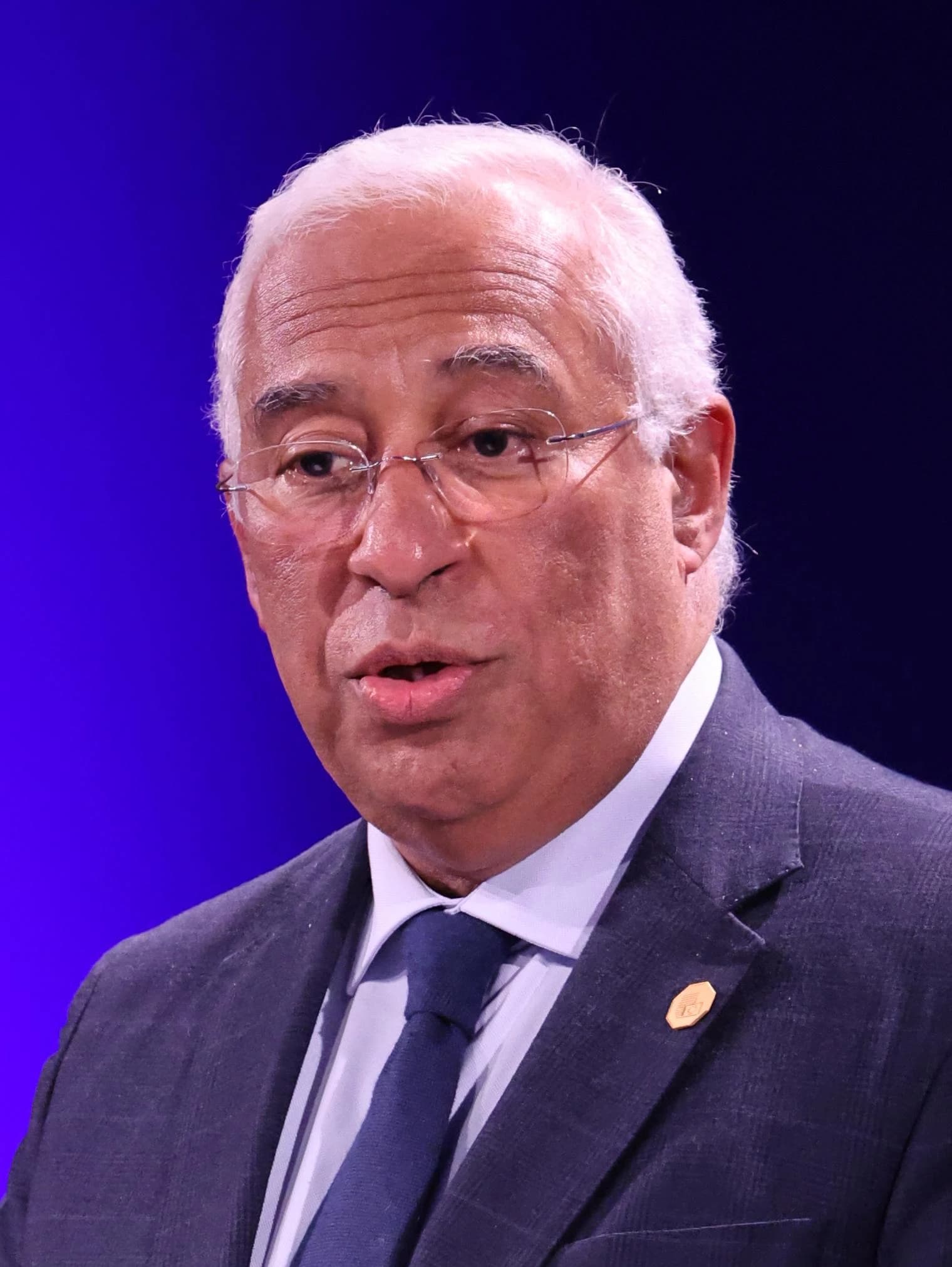
Brazil’s lower house has thanked Portugal for supporting the long-delayed Mercosur-European Union trade agreement, underscoring renewed political momentum behind a pact that could reshape trade flows between South America and Europe if it is finally ratified.
The significance goes beyond diplomatic symbolism. After more than two decades of negotiations, the deal remains one of the largest potential trade liberalizations on the table for Brazil and its Mercosur partners, promising lower barriers for exporters and greater access to a market of roughly 450 million consumers. For Brazil, which is trying to widen external demand at a time of global trade fragmentation, the agreement is a concrete test of whether multilateral trade can still advance despite rising protectionism.
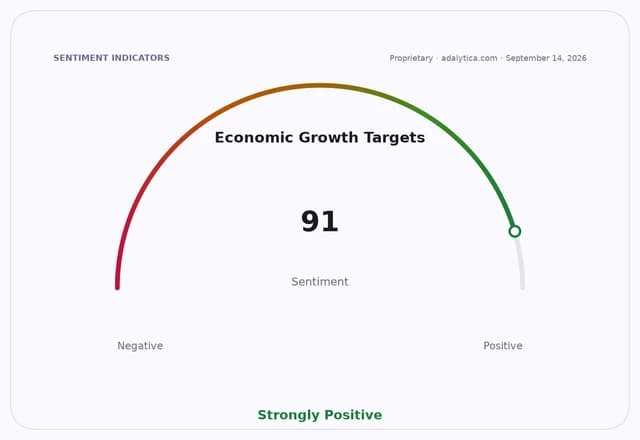
Hugo Motta, president of the Chamber of Deputies, told Portugal’s President Marcelo Rebelo de Sousa that the bloc wants “a balanced agreement” that creates more wealth for both sides. Rebelo de Sousa, in turn, warned against “unilateralism” and the return of barriers in international commerce, framing the pact as part of a broader defense of open trade and democratic cooperation. Their comments reflect a political effort to keep the deal alive as protectionist pressures continue to complicate market access for goods from both Latin America and Europe.
For investors, the stakes are most immediate in Brazilian exporters and in exchange-traded funds tied to the country. Brazil-focused products such as the EWZ ETF and the broader Latin America fund ILF have both rebounded sharply in recent months, with EWZ trading at $38.19 on Sept. 11 and ILF at $35.97, even as technical readings show each has become stretched in the short term. EWZ’s RSI was 75.1 and ILF’s 65.4, levels that suggest momentum has been strong but may be nearing overbought territory. Any credible progress on the Mercosur-EU accord would add a policy tailwind for sectors exposed to agribusiness, industrial exports and transport, while also supporting the case for deeper cross-border investment.
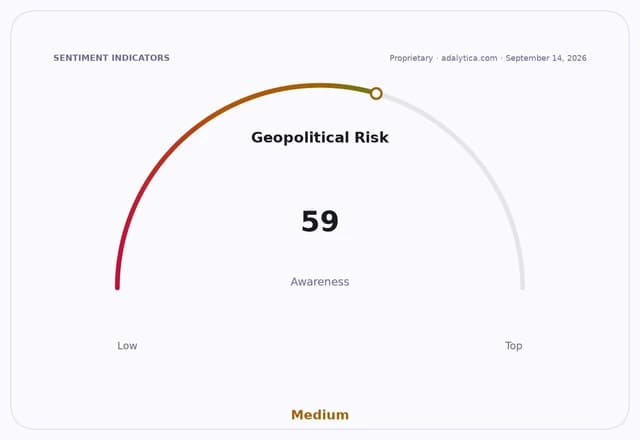
The wider macro backdrop makes that more important. Adalytica’s Global Stability Sentiment gauge is in “Fear,” pointing to a deterioration in the external policy environment, while a separate trade-signal snapshot for the US dollar remains neutral. Against that backdrop, any move that broadens market access and lowers trade friction has outsized value for an emerging market like Brazil, where growth still depends heavily on commodities, manufacturing competitiveness and foreign capital.
Portugal’s role is politically useful because Lisbon has been one of the European capitals most open to the deal, and Rebelo de Sousa used his visit to Brasilia to emphasize Portugal’s function as a bridge inside the EU. The bilateral relationship also has a practical dimension: Motta and Rebelo de Sousa highlighted rising migration, trade and reciprocal investment between the two countries, with the Brazilian community in Portugal roughly doubling over the past decade to nearly 400,000 people, according to the Portuguese president.
For now, the biggest question is whether political support can translate into ratification and implementation before protectionist forces in Europe or Mercosur regain the upper hand. If it does, the agreement would mark one of the clearest pro-trade shifts in years; if it stalls again, it will reinforce the market’s view that global commerce is still being shaped more by political resistance than economic logic.
| Entity | Gains | Losses |
|---|---|---|
| Brazil exporters | ▲Better EU market access | ▼Higher tariff barriers |
| Mercosur governments | ▲Trade diversification | ▼Protectionist inertia |
| Portugal | ▲Diplomatic influence in EU | ▼Limited if deal stalls |
| Import-competing industries | ▲— | ▼Stronger competition from liberalized trade |