Brazil Paraguay Smuggling Profits and Border Crackdown
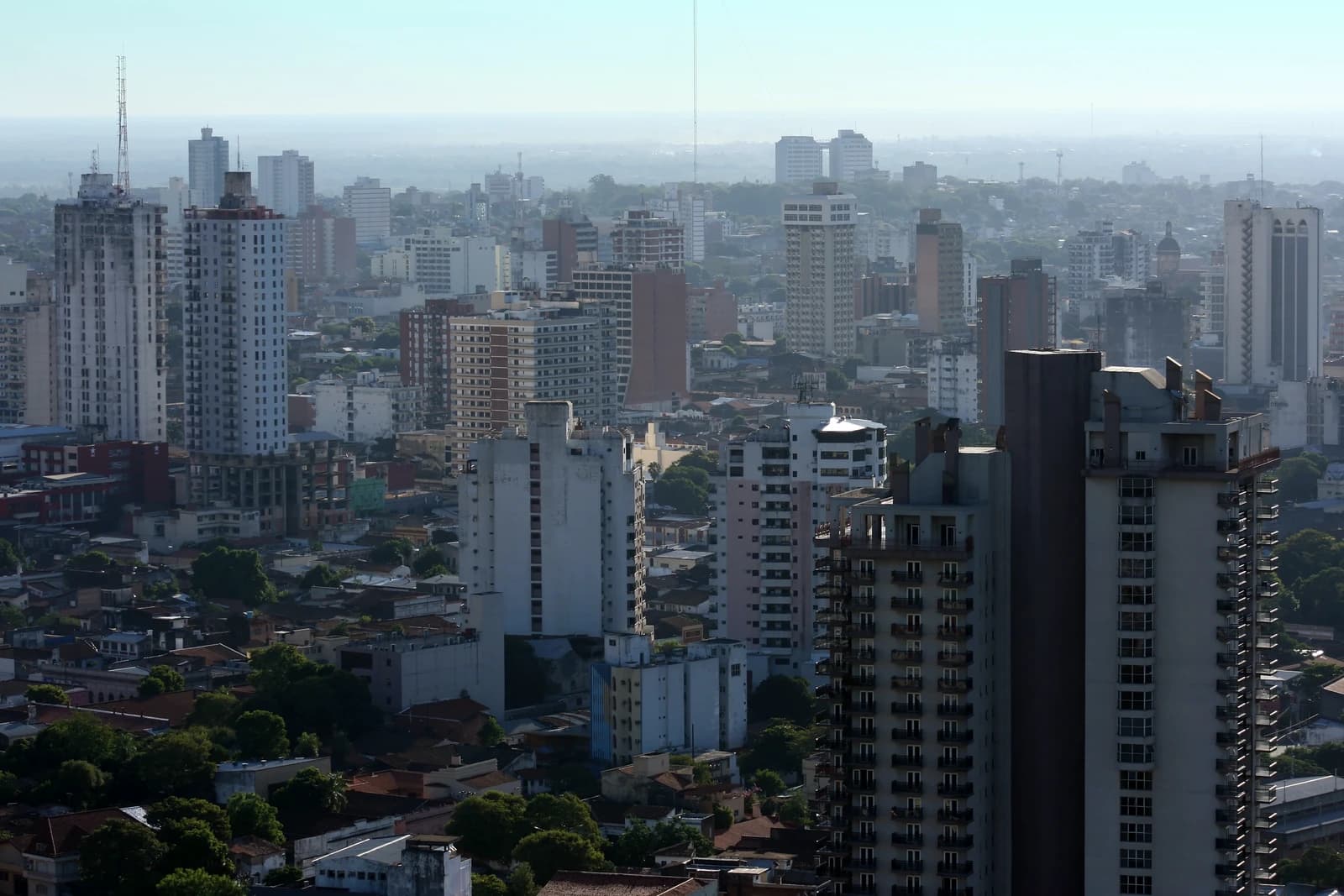
Smuggling from Paraguay into Brazil is generating profits of more than 500% for organized crime, and that makes the border economy at Foz do Iguaçu far more than a law-enforcement problem. It is a distortion of trade, tax collection and regional competition that feeds criminal groups, drains formal businesses and keeps a multibillion-real shadow market alive even as authorities intensify crackdowns.
The biggest economic consequence is the scale of the parallel economy. The Institute for Border Economic and Social Development says the illegal flow is worth about 60 billion reais, or $12 billion, a year outside the formal system and beyond Brazil’s tax net. That is money not captured by retailers, logistics firms, manufacturers or the state — and it gives criminal groups a pricing advantage that legal businesses simply cannot match.
Cigarettes are the most lucrative contraband, with an estimated 507% profit margin, followed by medicines at 415% and smartphones at 390%. The price gap on cigarettes between Brazil and Paraguay reaches 650%, which explains why the trade remains attractive even after accounting for logistics costs of around 22%, including transport, labor, vehicle wear, legal expenses and payments meant to cover periods of heavier police pressure.
The enforcement challenge is equally telling. Idesf says only 5% to 10% of smuggled goods are seized, while inspections at the Friendship Bridge cover less than 2% of the daily flow of 100,000 people. That makes the border less a checkpoint than a throughput corridor, and it helps explain why illicit networks keep adapting through clandestine river ports in Vila Portes and other routes around the Paraná River.
For investors, the story is about the hidden cost of insecurity and the beneficiaries of tougher enforcement. Organized crime and illicit importers profit from the inefficiency of border controls; legitimate retailers, distributors and tax-paying producers lose share and pricing power. Any sustained tightening by Brazil’s Federal Revenue Service and Federal Police should support formal commerce over time, even if it temporarily disrupts local trade channels.
The crackdown is already widening. In June, federal authorities launched Operation Sicarius against a money-laundering network tied to cigarette and pesticide smuggling in Paraná’s Guaíra region, with investigators saying more than 375 million reais moved through the network between 2019 and 2024. That matters because smuggling is not just an illegal retail business; it is a financing machine for criminal organizations such as the PCC and Comando Vermelho, with spillover into money laundering, corruption and violence.
The investable takeaway is straightforward: the longer Brazil’s border regime stays loose, the stronger the economics of the shadow trade remain. But every step up in enforcement shifts value back toward compliant importers, domestic retailers and logistics operators tied to the formal economy. The market underestimates how much profit pool can be reclaimed if Brazil turns border control into a sustained policy priority rather than a sporadic crackdown.
| Entity | Gains | Losses |
|---|---|---|
| PCC / Comando Vermelho | ▲High-margin illicit cash flow | ▼Border crackdowns |
| Paraguayan smugglers | ▲500%+ resale profits | ▼Seizures and arrests |
| Formal Brazilian retailers | ▲Tighter enforcement over time | ▼Lost sales to black market |
| Brazilian tax authorities | ▲More recoverable revenue | ▼Ongoing revenue leakage |