Brazil real near 5.10 as U.S. pressure rises
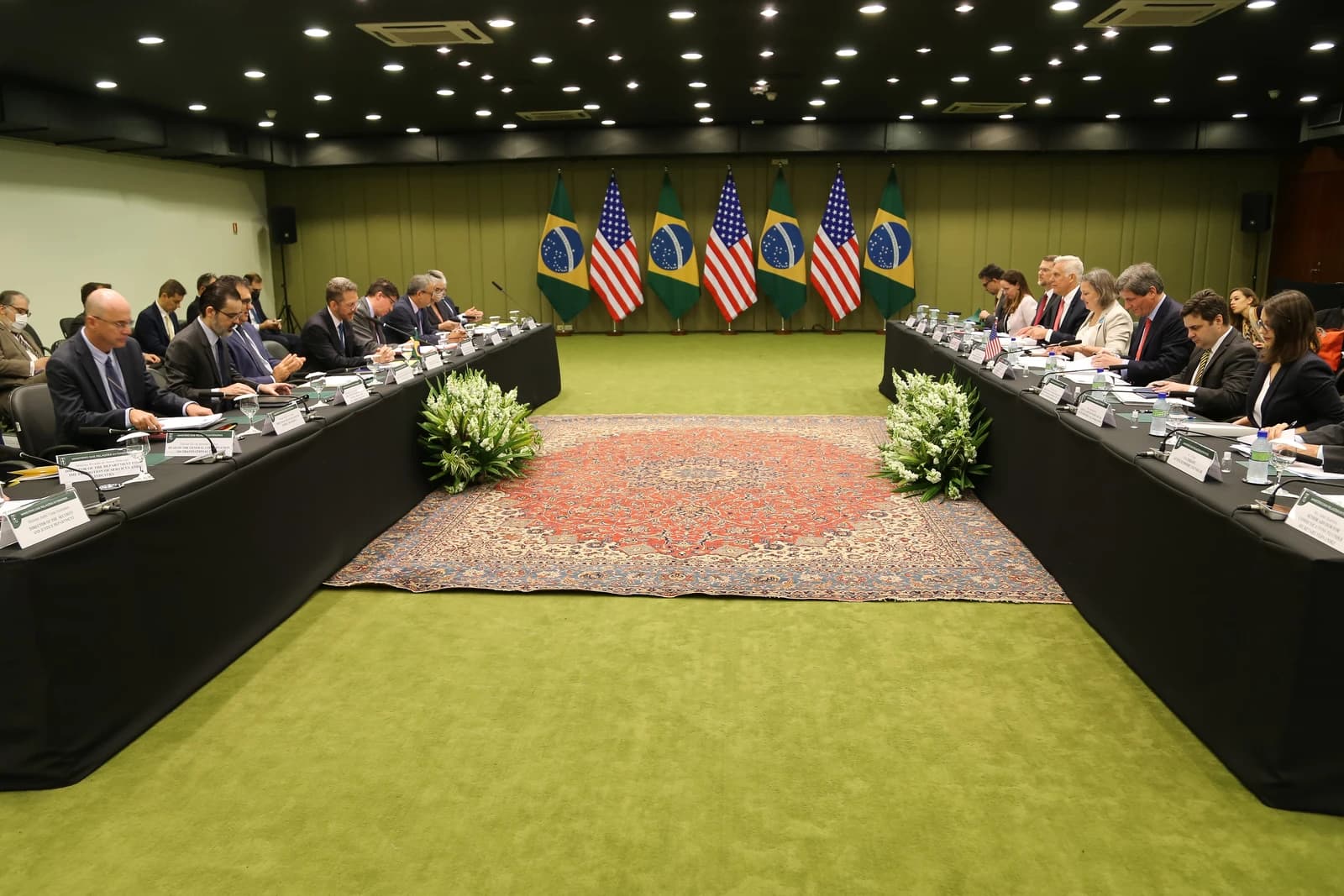
U.S. Secretary of State Marco Rubio’s visit is sharpening pressure on Brazil by reinforcing Washington’s push for greater leverage across Latin America, a shift that could affect trade, security cooperation and Brazil’s room to maneuver with both the U.S. and China.
For investors, the immediate relevance is the risk of more friction in Brazil’s external accounts and policy mix just as the real is trading near 5.10 per dollar, below its 50-day moving average of 5.14 and just under its 200-day average of 5.18. The currency’s RSI reading of 35.9 suggests it is not yet oversold, but it remains fragile as markets weigh the prospect of more diplomatic pressure and tariff uncertainty.
The visit, described by one expert as reinforcing “U.S. control over Latin America,” comes as Brazil insists it will not accept political interference in its commercial decisions and keeps pressing for a mutually beneficial trade deal with Washington. That tension matters because Brazil is trying to protect access to the U.S. market while also broadening ties with Mexico, the European Union and South Africa to reduce dependence on any single partner.
The policy backdrop is not just trade. Washington is linking economic relations with efforts to combat drug trafficking and illegal immigration, signaling that security and migration will remain part of the bargaining table. That creates a wider set of demands on Brazil and other regional governments, and raises the chance of a more transactional U.S. approach to the hemisphere.
Markets have already been sensitive to the region’s geopolitical tone. Brazil-focused equities through the EWZ ETF have swung sharply in recent months and were still trading near $38, with the fund’s RSI at 79.7 and its price above both the 50-day and 200-day moving averages, a sign of strong momentum but stretched conditions. That leaves the ETF vulnerable if diplomacy with Washington deteriorates or if investors trim exposure to Brazil risk.
The broader narrative is that the U.S. is trying to reassert strategic control in Latin America at the same time Brazil is trying to defend sovereignty and diversify its alliances. The next catalysts are likely to come from any Trump-era trade follow-up, tariff language and signs of whether Brasília can secure concessions without surrendering policy autonomy.
| Entity | Gains | Losses |
|---|---|---|
| U.S. administration | ▲More regional leverage | ▼Less Brazilian policy flexibility |
| Brazil government | ▲Stronger sovereignty messaging | ▼Higher trade and diplomatic pressure |
| EWZ holders | ▲Momentum if talks improve | ▼Pullback risk if tensions rise |
| Real (BRL) bulls | ▲Any trade compromise | ▼Tariff or geopolitical escalation |