Brazil Right Gains Ground as Markets Watch Election
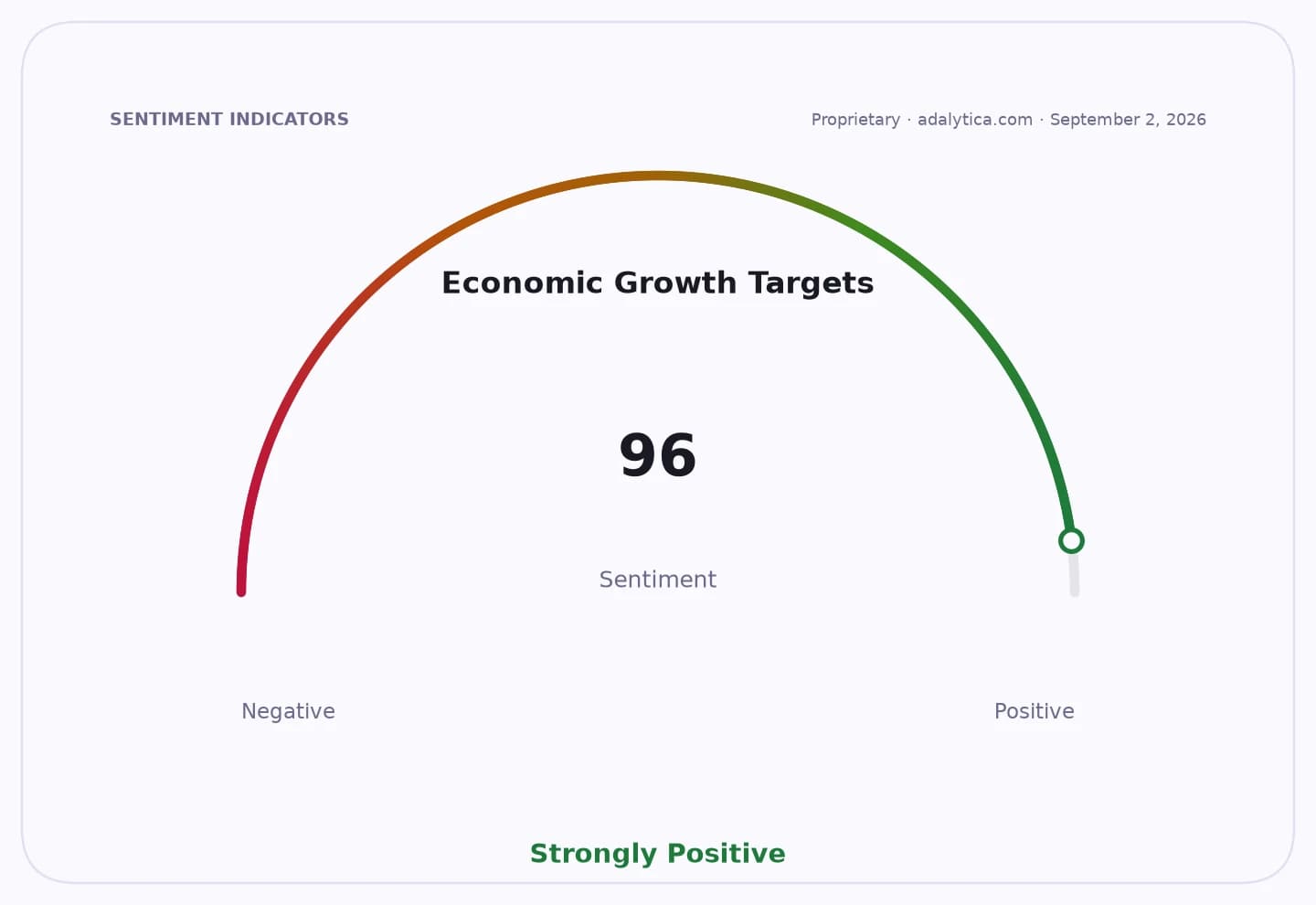
Brazil’s political right is gaining ground, and that matters because elections in the region’s largest economy can quickly reshape tax policy, state intervention, market confidence and the direction of capital flows. The clearest message from the latest political read is not just that the right is advancing, but that Brazilian voters are becoming more conservative, a shift that could outlast the current campaign cycle.
That helps explain why markets keep paying such close attention to the country’s presidential race and to names tied to the Bolsonaro camp. A more conservative electorate usually improves the odds of market-friendly policies such as tighter fiscal discipline, friendlier regulation and a bigger role for private enterprise. For investors, that mix can support Brazilian equities and the real, while also reducing the risk premium that has long hung over the country.
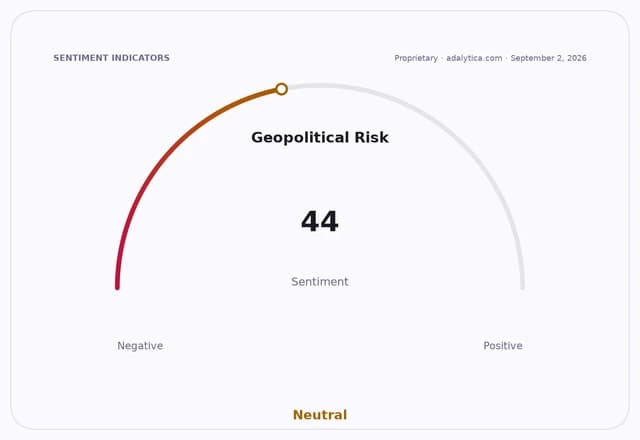
The backdrop is politically charged. Flávio Bolsonaro has kept pushing a hardline law-and-order agenda, including a dramatic expansion of incarceration modeled on El Salvador. At the same time, he has attacked Supreme Federal Court Justice Alexandre de Moraes, raising the temperature in a contest already shaped by scandal and institutional tension. The controversy around the Master corruption case has not stopped the right from staying relevant, even as it complicates the optics of the campaign.
There is also a market dimension that goes beyond politics alone. Brazil-linked stocks and the broader EM trade tend to benefit when investors believe the next government will be more predictable on spending and less hostile to business. Petrobras and the EWZ Brazil ETF have already reflected that broader appetite for Brazilian exposure, with EWZ trading around $37.97 and Petrobras at $20.84 in the latest data. Those are not just prices; they are signals that investors are still willing to pay for Brazil when the policy outlook looks a little less uncertain.
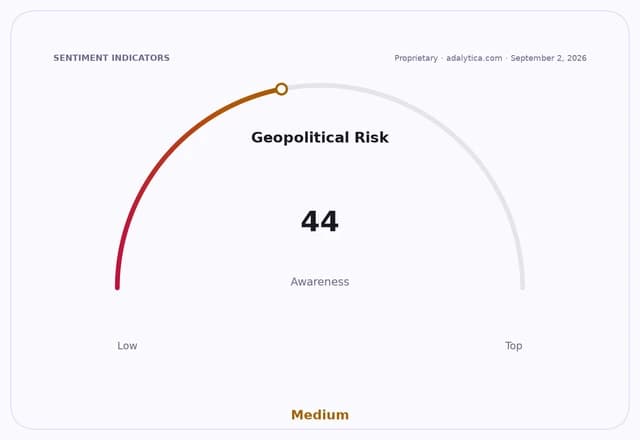
Longer term, the key question is whether this conservative turn becomes a durable realignment or just another election-year swing. If Brazil’s right keeps expanding its appeal beyond its core base, the investment case could improve meaningfully, especially for sectors that benefit from privatization, stronger cash generation and a lighter regulatory touch. But if scandal, institutional conflict or populist fiscal promises take over the agenda, the market will quickly demand a higher return for the risk.
For now, investors should treat Brazil as a country where politics still drives valuation. That makes the conservative shift worth watching closely, not as a trading headline, but as a possible multi-year change in the rules of the game.
| Entity | Gains | Losses |
|---|---|---|
| Brazilian right | ▲Wider voter appeal | ▼Less certainty |
| Market-friendly sectors | ▲Better policy odds | ▼Left-leaning agenda |
| EWZ and Brazil equities | ▲Lower risk premium | ▼Political volatility |
| Institutional rivals | ▲Harder line on crime | ▼Influence over agenda |