Brazil Sanctions Delay Lifts EWZ and Real
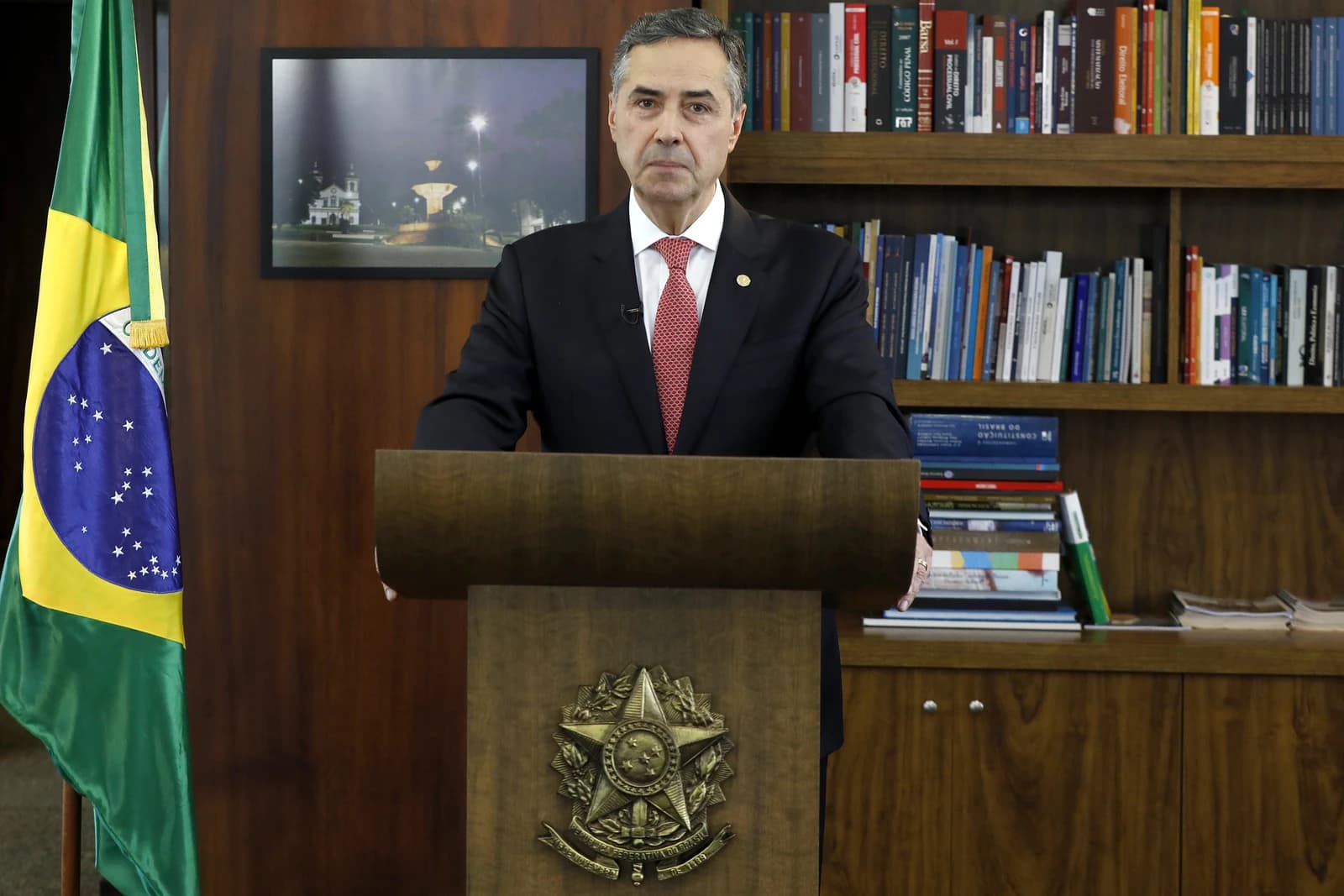
The Trump administration is slowing any fresh sanctions on Brazilian Supreme Court justices because officials fear the move could hand President Luiz Inácio Lula da Silva a political boost in an already volatile election climate.
That matters because Washington is weighing not just diplomacy, but the electoral spillover from its own pressure tactics. A new round of penalties under the Global Magnitsky Act — potentially aimed again at Justice Alexandre de Moraes and possibly other Supreme Federal Court members — would be one of the most aggressive U.S. interventions yet in Brazil’s institutional crisis. But according to the reporting, the State Department is now reluctant to recommend action after concluding that earlier tariff pressure and sanctions rhetoric helped Lula rather than weakened him.
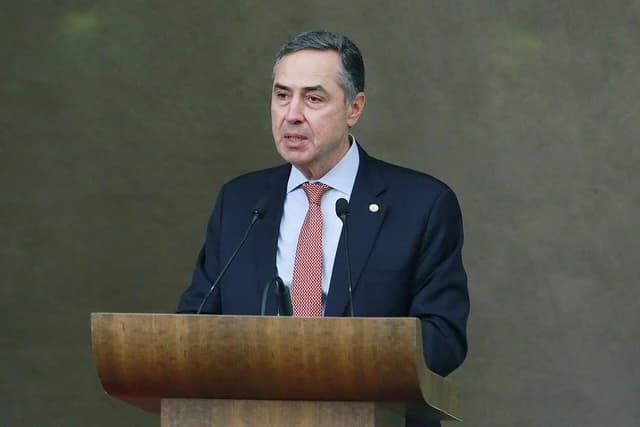
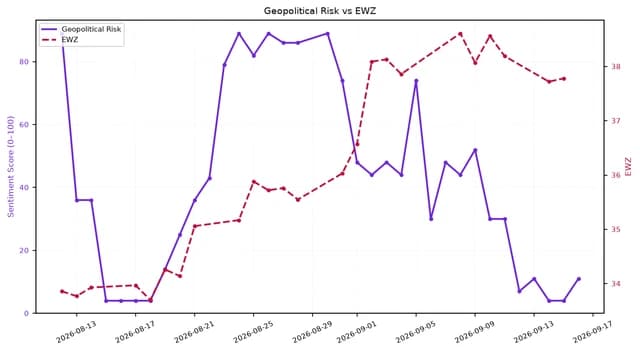
For investors, the message is that Brazil risk is becoming more political than procedural. When the U.S. chooses restraint because escalation may backfire electorally, the market gets a short-term reprieve from the kind of headline risk that can hit Brazilian assets, the real, and country funds like EWZ and leveraged exposure such as BRZU. That does not remove the underlying tension between Brasília and Washington, but it does reduce the odds of an immediate sanctions shock that could jolt capital flows and raise the premium investors demand to hold Brazil risk.
The stakes are larger than one judicial dispute. Trump’s team is reportedly separating trade tariffs from the sanctions debate, treating the former as a commercial issue and the latter as a political one. That distinction matters because it suggests Washington still wants leverage over Brazil without necessarily escalating into a confrontation that could strengthen Lula’s hand at home. The administration’s calculations are also being shaped by experience in Canada and Australia, where Trump pressure was said to have favored left-leaning forces — a cautionary tale that now appears to be influencing Brazil policy.
That helps explain why Eduardo Bolsonaro’s push in Washington to revive sanctions has not yet produced a rapid response. Even if the legal machinery for a Magnitsky action is ready, the White House is looking at second-order effects: whether punishing ministers seen as adversaries of Jair Bolsonaro would instead rally moderates around Lula and make the government appear targeted by foreign interference.
Markets are already reflecting a mix of optimism and caution. EWZ has rallied sharply from its spring lows and remains above its 50-day and 200-day moving averages, but its elevated RSI readings show the trade is stretched. BRZU, the leveraged Brazil ETF, has also surged, underscoring how quickly sentiment can turn when political risk eases. A pause in sanctions pressure would support those gains near term, while any renewed escalation could trigger outsized volatility because positioning is already crowded.
My view is that the market is still underestimating how important this policy hesitation is for Brazil exposure. If Washington refrains from sanctions, the biggest beneficiaries are Brazilian equities, the real and risk assets tied to domestic reform hopes. If Trump changes course, the losers are obvious: Brazilian assets, U.S.-Brazil relations and Bolsonaro-aligned actors who are betting that external pressure will change the political balance.
The investable takeaway is straightforward: stay constructive on Brazil while Washington is choosing restraint, but use strength to own the exposure selectively. The asymmetric trade is in beneficiaries of reduced geopolitical friction — broad Brazil ETFs, domestic-facing Brazilian names and selectively leveraged plays — not in betting on a sanctions shock that the U.S. may now prefer to avoid.
| Entity | Gains | Losses |
|---|---|---|
| Lula government | ▲More political cover | ▼Less external pressure |
| Brazilian equities / EWZ | ▲Lower headline risk | ▼Sanctions shock risk |
| Leveraged Brazil play / BRZU | ▲Momentum continuation | ▼Volatility if sanctions return |
| STF ministers / Moraes | ▲Temporary reprieve | ▼Magnitsky exposure |