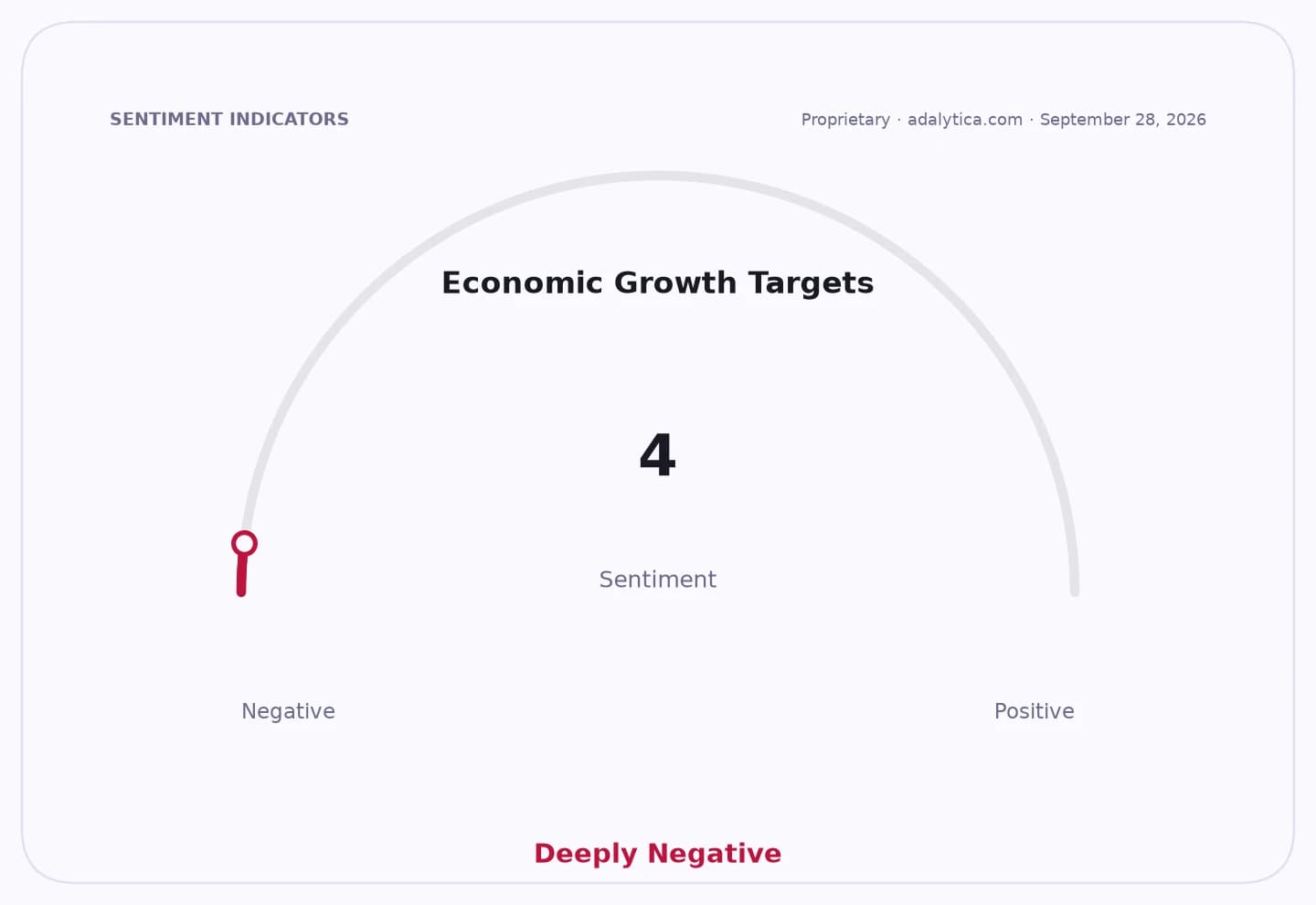
Brazil’s consumer-credit market is being reshaped by a fast-growing stress point: overdue debt among people over 60 has more than doubled in a decade, and 15.8 million seniors are now behind on payments.
Brazil senior debt delinquencies rise sharply
That matters because Brazil’s aging population is no longer just a social issue — it is becoming a credit-cycle issue. Older borrowers have traditionally been viewed as stable customers, often anchored by pensions or retirement income. But when delinquencies climb this sharply, it signals that household balance sheets are under pressure even in segments that lenders once considered relatively defensive. For banks, that means more caution on unsecured lending, tighter underwriting and a heavier reliance on fee income and secured credit rather than easy consumer expansion.
The strain also helps explain why investors are paying close attention to Brazil’s biggest retail lenders, including Banco Bradesco and Itaú Unibanco. Bradesco’s shares remain well below their recent highs, while Itaú has held up better, reflecting a market that is already separating institutions with stronger risk controls from those more exposed to weaker consumer credit. The story is not just about bad loans; it is about where the next phase of credit growth can still happen without producing a larger wave of defaults.
For Brazil’s broader economy, the trend is a warning that household demand may be more fragile than headline employment data suggest. Seniors often support families, fund consumption and rely on fixed cash flows. As overdue balances rise, they lose room to spend, and that feeds back into retail sales, credit cards and the wider banking system. In a country where consumer finance is still a major growth engine, that is a meaningful drag.
The most investable takeaway is that Brazil’s banking sector is likely to reward balance-sheet discipline over aggressive growth. Large lenders with better data, more diversified income and the ability to price risk accurately should keep gaining share, while lenders dependent on thin-margin consumer credit face a tougher environment. If senior delinquency keeps rising, the winners will be banks that can lend selectively; the losers will be institutions still chasing volume in a deteriorating household-credit cycle.
| Entity | Gains | Losses |
|---|---|---|
| Itaú Unibanco (ITUB) | ▲safer credit mix | ▼slower loan growth |
| Bradesco (BBD) | ▲pricing discipline narrative | ▼higher delinquency exposure |
| Brazilian seniors | ▲debt relief policies | ▼credit access |
| Brazil consumer lenders | ▲stronger underwriting demand | ▼rising default risk |