Brazil STF Delays Review of Moraes Case
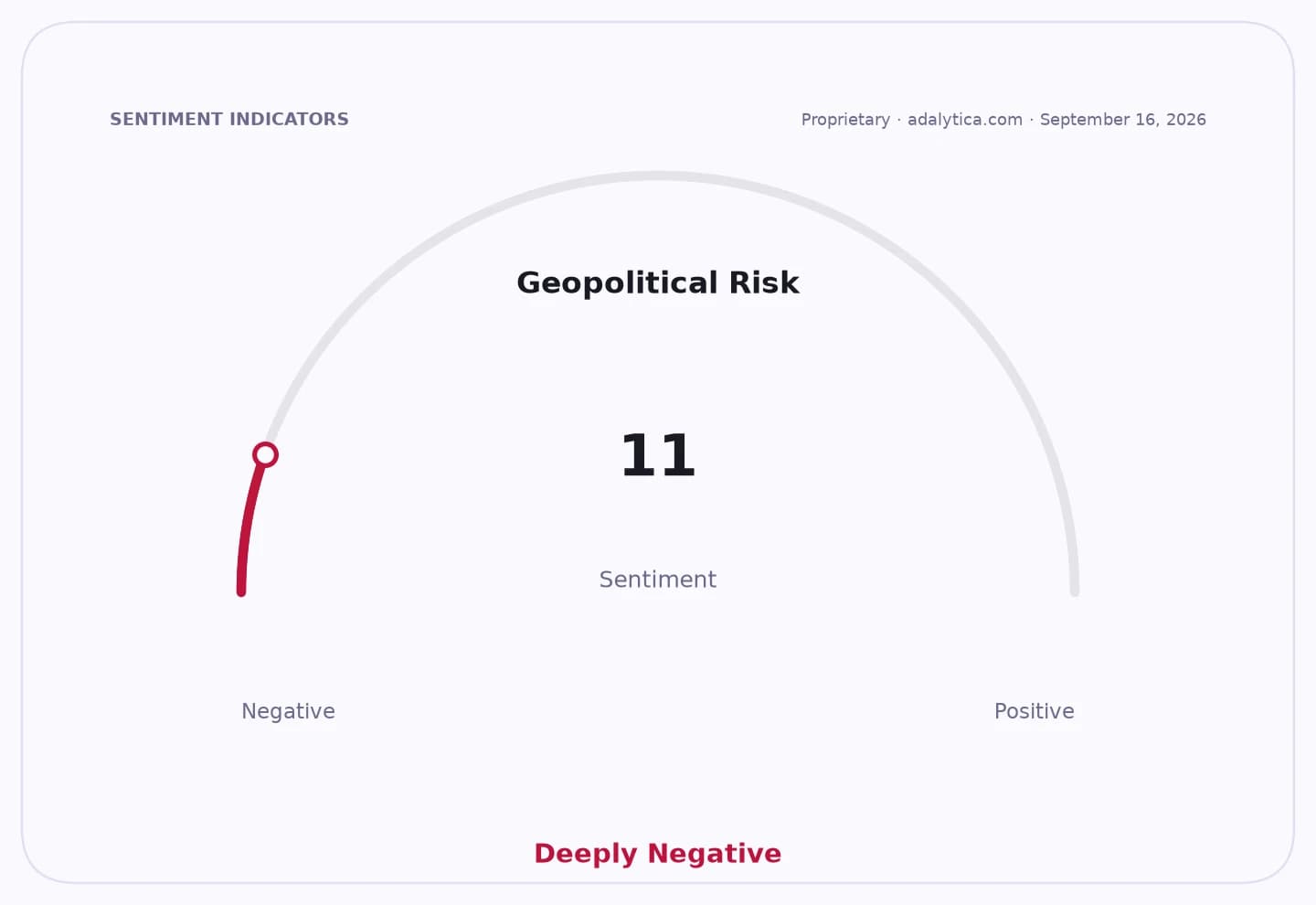
Brazil’s Supreme Federal Court has delayed a politically charged review of whether to open an investigation into Justice Alexandre de Moraes, a move that gives the court up to 90 days of breathing room but also prolongs a dispute that could shape the tone of the country’s election campaign.
The postponement matters because the case sits at the intersection of judicial independence, electoral politics and investor confidence in Brazil’s institutions. By pushing the decision out of the immediate pre-election window, justices appear to be trying to limit the fallout from a public rift inside the court while avoiding a ruling that could be read as intervening in the race for October’s general election.
The request for more time came from Justice Flávio Dino, following a behind-the-scenes effort by a group of justices to contain the political damage from the dispute. According to local reporting, the aim was to align the cases involving Moraes and Justice André Mendonça and prevent the issue from dominating headlines in the final stretch before voting.
The session itself only sharpened concerns about institutional strain. Justice Gilmar Mendes accused Mendonça of acting with an “inequívoco viés político-eleitoral,” while Mendonça pushed back forcefully, underscoring how exposed the court has become to accusations of using investigations as political tools.
For investors, the immediate market read is less about the legal merits than about what the fight says on Brazil’s policy backdrop. A court crisis that spills into the election period can complicate fiscal, regulatory and governance expectations, especially for foreign capital that prices Brazilian assets not just on rates and growth, but on institutional stability and rule-of-law risk.
That context helps explain why Brazil-related exchange-traded funds have stayed volatile even as broader risk appetite has shifted. EWZ, the iShares MSCI Brazil ETF, recently traded around $37.48, above its 50-day and 200-day moving averages, while EWZS and the leveraged BRZU fund also remain well above their longer-term trend lines, reflecting sustained investor attention despite the political noise.
Technical readings suggest the recent rally has cooled but not broken. EWZ’s RSI has eased from overbought territory earlier this month to about 64.5, while BRZU’s RSI is still elevated near 62.4 after a sharp run-up. In other words, investors are still positioned for Brazil upside, but the court fight adds a fresh source of headline risk.
The broader backdrop is one of elevated caution. Adalytica’s global stability gauge shows “Extreme Fear,” while its U.S. dollar signal points to renewed strength in the greenback, a combination that can pressure risk assets in emerging markets if political tensions in Brazil escalate further.
The near-term focus now shifts to whether the STF resumes the Moraes review before the 90-day window expires and whether the court can contain what is increasingly becoming both a legal and electoral flashpoint.
| Entity | Gains | Losses |
|---|---|---|
| STF justices seeking delay | ▲Time to defuse backlash | ▼Immediate political pressure |
| Alexandre de Moraes | ▲Short-term protection from scrutiny | ▼Case remains unresolved |
| Electoral camp around Lula | ▲Less pre-vote disruption | ▼Lingering institutional uncertainty |
| Brazil ETFs and investors | ▲Potential for eventual clarity | ▼Short-term headline volatility |