Brazil Supreme Court Freezes Federal Police Orders
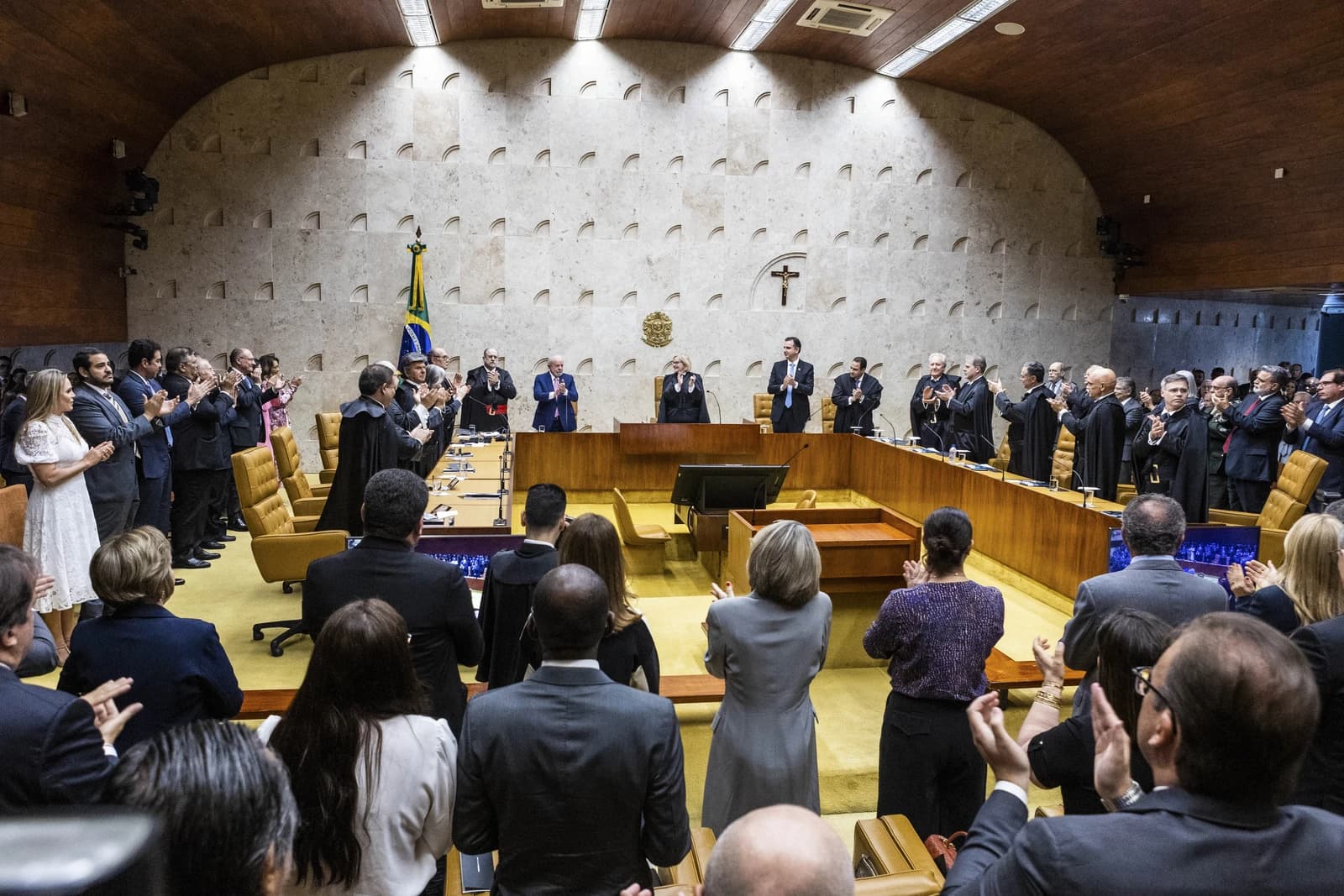
Brazil’s top court has frozen competing orders over the leadership of the Federal Police, a move that matters because it restores presidential authority to a dispute that had begun to look like an institutional free-for-all.
Supreme Federal Court President Edson Fachin on Wednesday suspended decisions by ministers André Mendonça and Flávio Dino on whether Federal Police director-general Andrei Rodrigues and intelligence director Leandro Almada should be removed or reinstated in connection with the case involving former banker Daniel Vorcaro. Fachin said measures over police authorities must pass through the Presidency of the Republic, warning that overlapping rulings and procedural conflicts risked harming public order and the court’s integrity.

The immediate economic impact is indirect, but not trivial. Brazil’s investment case depends heavily on institutional predictability, and the optics of the country’s highest court stepping in to stop contradictory orders underscore how fragile that predictability can be when judicial and executive powers collide. For investors, the issue is less about the fate of two police officials than about whether major enforcement bodies can operate without becoming entangled in political disputes.
The case has widened since Mendonça lifted secrecy on Sept. 1 over a police report containing data pulled from Vorcaro’s phone. Among the material disclosed were 52 messages sent by Vorcaro to Justice Alexandre de Moraes, along with references to Prosecutor-General Paulo Gonet and Federal Police chief Andrei Rodrigues. That disclosure helped trigger the clash now reaching the full court, with Fachin setting an extraordinary plenary session for Sept. 15 to examine Mendonça’s case involving Moraes.
For markets, the broader risk is that the institutional noise adds another layer of uncertainty to an economy already sensitive to domestic policy credibility, fiscal discipline and rule-of-law questions. Brazil equities, represented by the EWZ ETF, have recently rallied sharply, with the fund closing at $38.56 on Sept. 10, above both its 50-day moving average of $35.66 and 200-day moving average of $35.70. But its RSI reading of 82.6 suggests the move is technically stretched, leaving it vulnerable if political turmoil feeds into a broader risk-off shift.
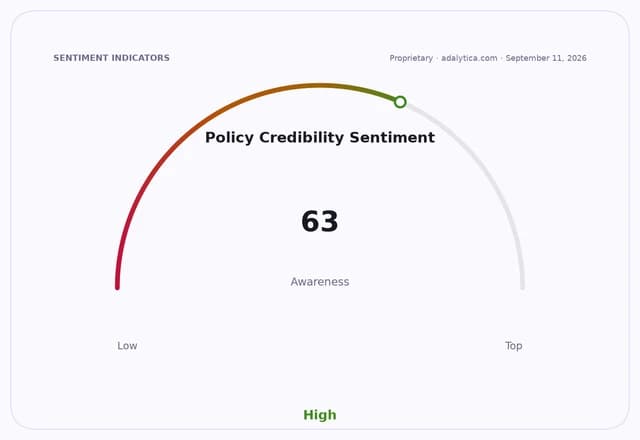
That tension is mirrored in sentiment gauges. Adalytica’s SPY trade-signal snapshot points to “Extreme Fear,” while its Brazil-related policy credibility reading remains only neutral despite a recent jump, suggesting investors are watching governance risks closely even when prices are firm. Petrobras, another major Brazil proxy, has also traded strongly, closing at $21.38 on Sept. 10, well above its 50-day average of $18.07, but that strength does not insulate it from a deterioration in domestic confidence.
The bull case is that Fachin’s intervention reasserts a clear chain of authority and reduces the chance of a prolonged legal escalation. The bear case is that the very need for intervention confirms an ongoing institutional dispute that can spill into policing, anti-corruption enforcement and the government’s broader ability to manage sensitive state functions.
What investors will watch next is whether the Sept. 15 plenary hearing narrows the scope of the dispute or broadens it into a deeper confrontation between the court, the presidency and law-enforcement authorities. If the court restores process discipline, the political noise may fade. If not, Brazil’s institutional premium could rise just as markets are testing how far the country’s recent rally can run.
| Entity | Gains | Losses |
|---|---|---|
| Presidency of Brazil | ▲Restored authority | ▼Short-term discretion |
| STF leadership | ▲Procedural control | ▼Institutional friction |
| Federal Police chiefs | ▲Due process | ▼Job security |
| Brazil equities / EWZ longs | ▲Rule clarity | ▼Governance premium |