Brazil Trade Dispute Widens With Washington
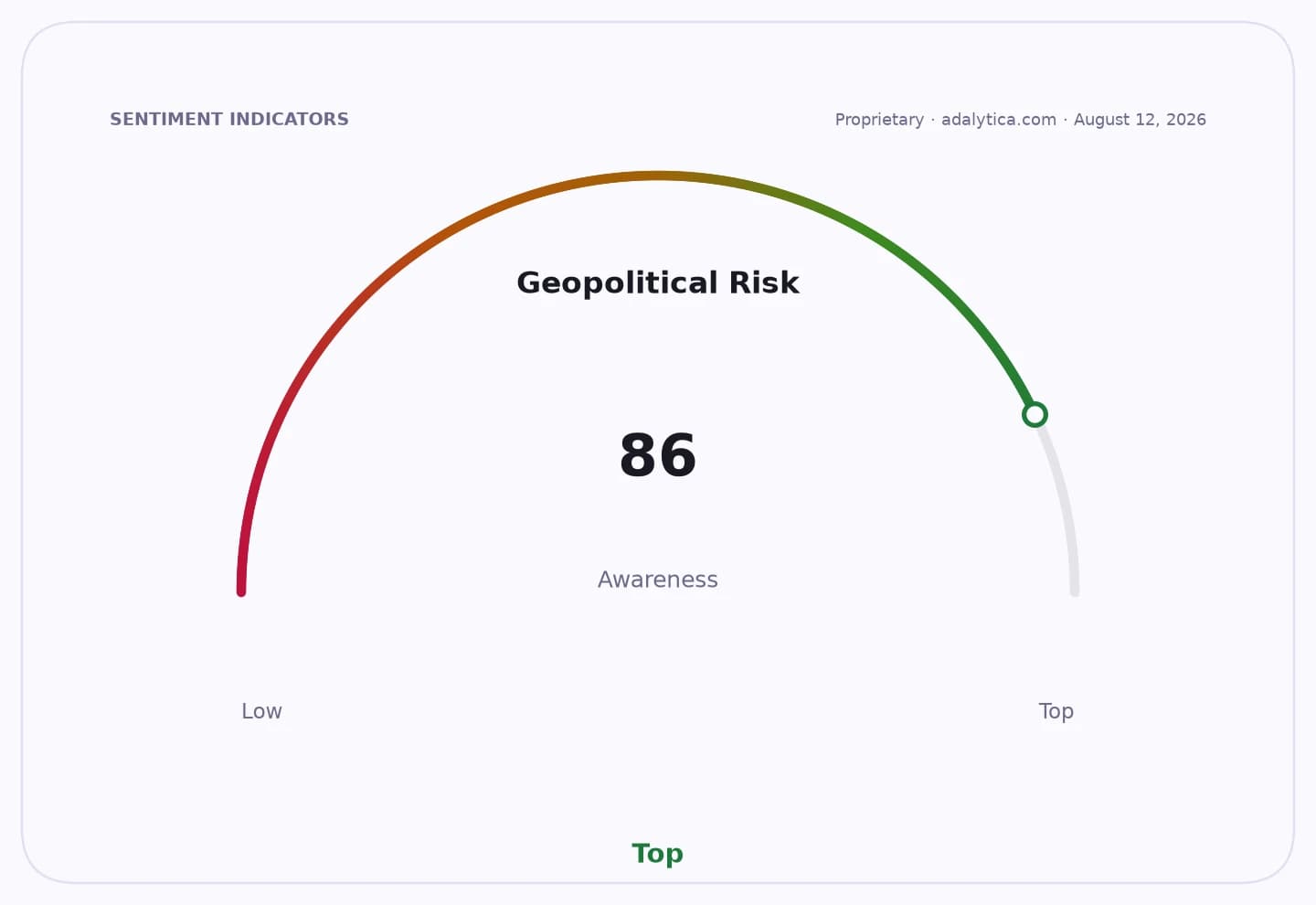
Brazil’s clash with Washington is widening from tariffs into a broader diplomatic fight, and that matters because it raises the odds of a longer, messier standoff for one of Latin America’s largest economies.
Former foreign minister Celso Amorim said a Trump administration video celebrating U.S. dominance in the Americas was aimed at Brazil, while arguing President Luiz Inácio Lula da Silva should hold off on approving any new foreign ambassadors until after elections. That is more than rhetoric. It shows Brasília is treating the dispute as a sovereignty issue, not just a trade spat, and that usually makes compromise harder.
The economic stakes are real. Brazil is already challenging new U.S. tariffs at the World Trade Organization, and China has now asked to join the case. Beijing’s move gives Brazil extra diplomatic weight, but it also underscores how quickly a bilateral trade dispute can become part of the wider U.S.-China rivalry. For Brazil, the near-term risk is weaker export visibility, more policy uncertainty and another headwind for businesses that depend on open trade and stable rules.
Investors should care because political friction tends to hit Brazilian assets first through currency moves, foreign flows and sentiment. The iShares MSCI Brazil ETF, EWZ, has already swung sharply in recent months. After trading as high as 39.00 in February, it fell to 33.86 on Aug. 12, with the 14-day RSI slipping to 28.4, a conventional technical measure that suggests the fund has become oversold. Petrobras, Brazil’s flagship oil producer, has also given back gains, while BRF, the food company tied to global trade, remains under pressure. Those moves matter because they show how quickly geopolitics can feed into valuations.
The bigger narrative is that Brazil is trying to defend its economic sovereignty while still relying on access to global markets. That is a delicate balance for Lula, who wants to protect domestic political capital without scaring off investors or escalating a fight that could hurt exporters, importers and state-linked companies alike.
For long-term investors, the lesson is not to overreact to every diplomatic headline, but to recognize that Brazil’s market premium will rise and fall with relations between Washington, Brasília and Beijing. If this dispute stays contained, it may create buying opportunities in quality Brazilian assets. If it spreads, patience and diversification become even more important. Brazil remains a market worth watching closely, not abandoning.
| Entity | Gains | Losses |
|---|---|---|
| Brazil government | ▲Stronger sovereignty narrative | ▼Near-term trade certainty |
| China | ▲Leverage in WTO dispute | ▼None immediately |
| U.S. administration | ▲Domestic political messaging | ▼Regional diplomatic goodwill |
| Brazilian exporters | ▲Potential WTO backing | ▼Tariff risk and volatility |