Brazil transport sector rebounds 1.1% in Q2
Brazil’s transport economy has snapped back after two straight quarterly declines, but the rebound is too modest to call a real turn and too fragile for investors to ignore.
The GDP of Brazil’s transport, warehousing and postal sector rose 1.1% in the second quarter from the previous three months, according to the CNT, reversing two consecutive periods of contraction. On a yearly basis, the sector grew 1.2%, while first-half output was up 0.9%.
That matters because transport is one of the cleanest reads on domestic activity: when freight, logistics and passenger volumes improve, it usually means broader commerce is moving. But the CNT’s own warning is the real story here — Brazil’s economy is growing, yet demand is moderating, and that is directly hitting transport and logistics volumes. The sector’s recovery is being asked to do more with less, just as operating costs stay elevated and credit remains tight.
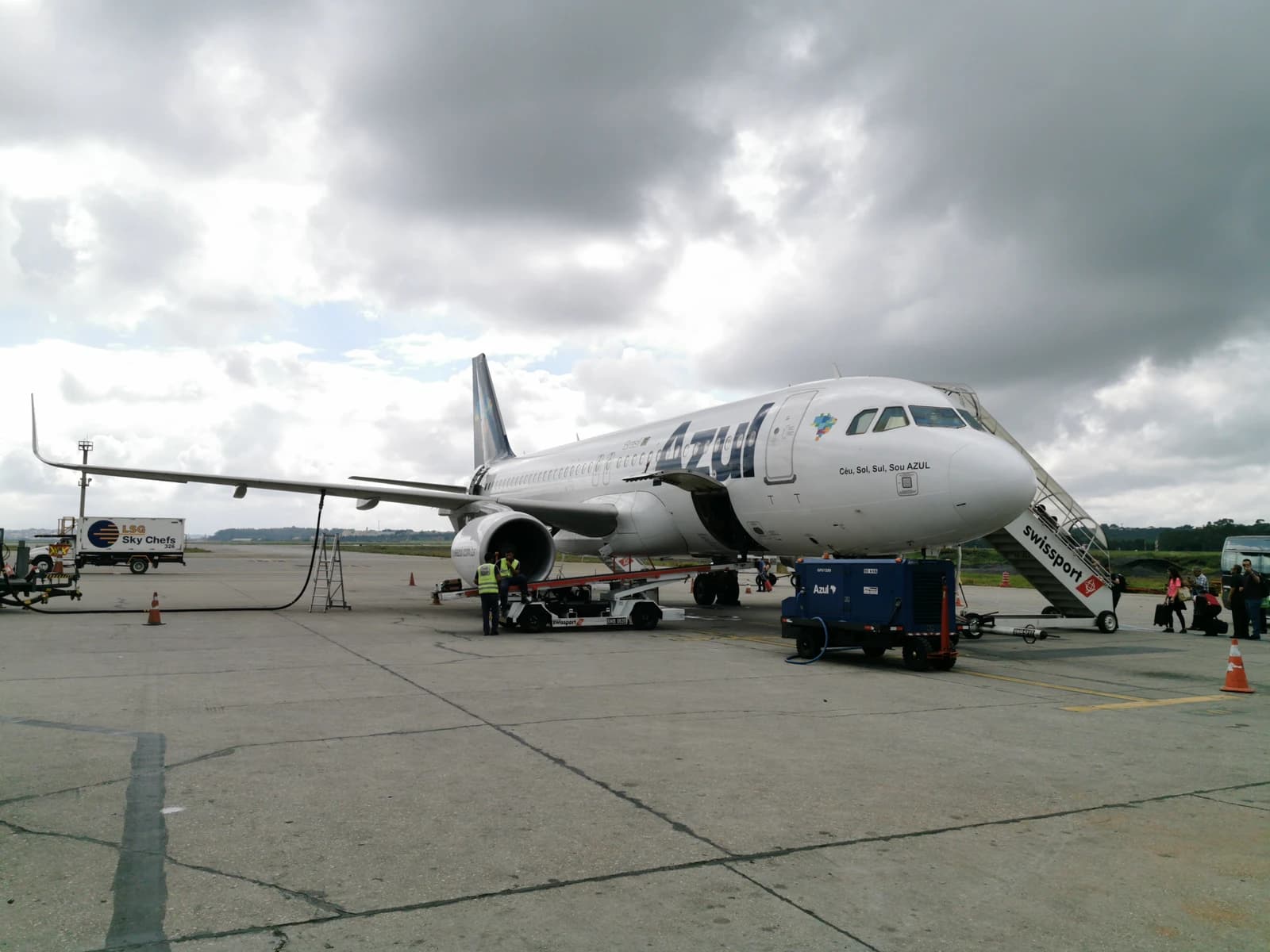
The monthly data underline how uneven that recovery is. Transport services volume rose 0.4% in July from June, seasonally adjusted, but was still down 1.4% in the January-to-July period from a year earlier. Land transport, the industry’s biggest and most defensive segment, was up 1.2% year to July. Air transport fell 13.3% over the same stretch, a sign that higher fares, tighter corporate spending and weaker discretionary demand are still biting. Water transport remains under pressure even though it reached a record monthly level in July, suggesting some operational improvement without a full-cycle revival.
For investors, the implications are twofold. First, the rebound is a positive read-through for logistics operators, highway concessionaires and road freight-linked businesses that benefit from even a mild pickup in cargo flows. Second, the cost side remains hostile. Diesel prices are up 13.35% in 2026 through August, lubricants have risen 12.06%, and tolls are higher by 4.25%. In a business where margins are often thin and financing is expensive, those inputs can erase much of the benefit from higher volumes.
That is why the CNT’s message is so important: this is not yet a durable expansion, but a pressured rebound. The sector’s economics still depend on whether Brazil’s domestic demand can reaccelerate enough to offset cost inflation and restrictive credit. If not, fleet renewal, capacity expansion and profitability will remain constrained even if headline GDP turns up.
The market should treat this as an early-cycle signal, not confirmation of a transport boom. The next leg will depend on whether freight demand broadens beyond road haulage and whether fuel costs ease enough to let operators convert volume gains into earnings. Until then, the best-positioned names are the ones with pricing power, asset-light models or direct exposure to road logistics rather than discretionary air traffic.
| Entity | Gains | Losses |
|---|---|---|
| Road freight operators | ▲Higher cargo volumes | ▼Diesel and credit costs |
| Highway concessionaires | ▲More traffic and toll revenue | ▼Demand-sensitive shippers |
| Airlines | ▲— | ▼Weak passenger and cargo demand |
| Logistics firms with pricing power | ▲Better pass-through of costs | ▼Thin-margin operators |