Brazil-U.S. Trade Clash Risks Grow Under Lula
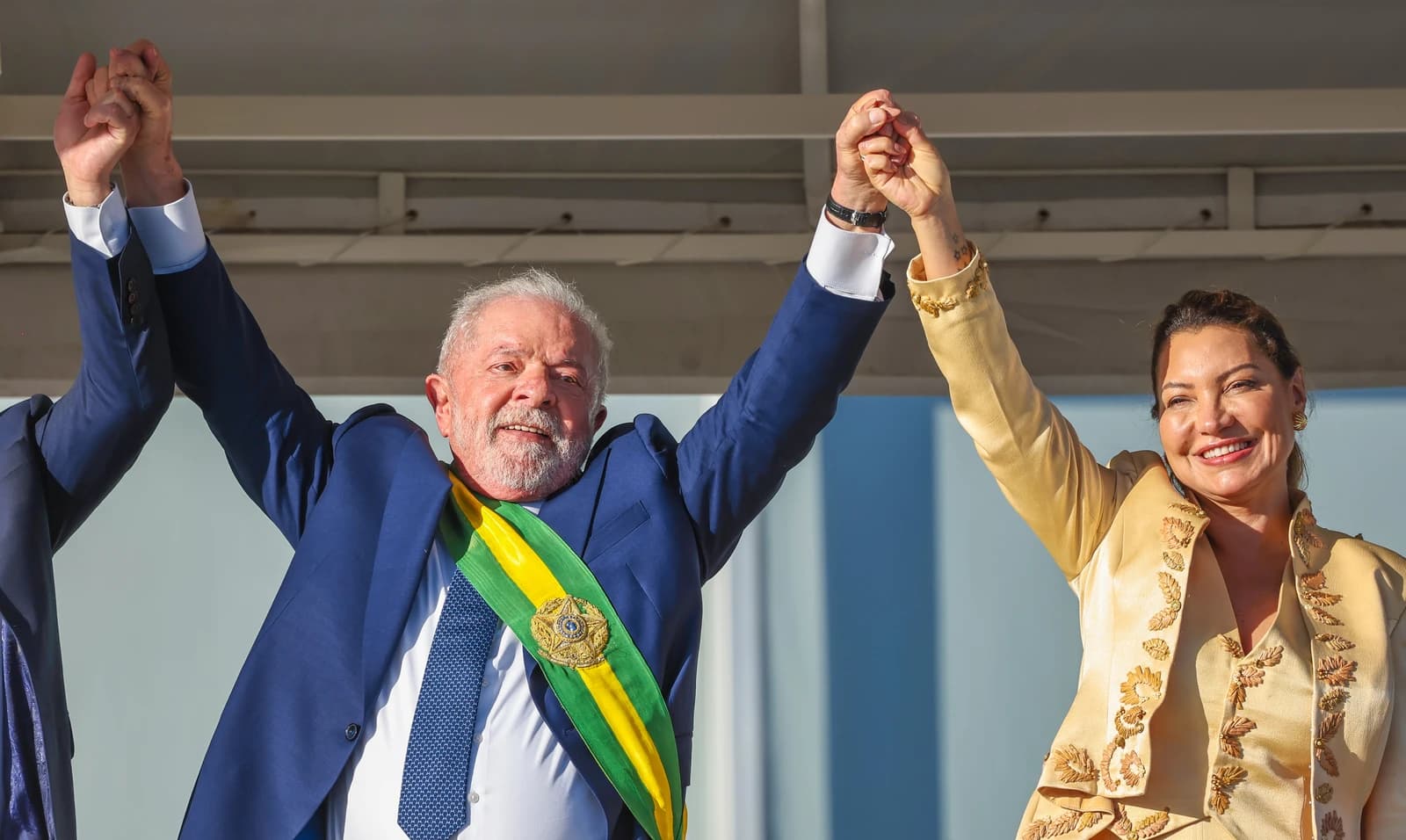
Brazilian President Luiz Inácio Lula da Silva is turning his dispute with Donald Trump into a broader test of sovereignty, a stance that raises the risk of a longer trade and diplomatic clash between the two biggest economies in the Americas.
Lula said he would confront Trump at the United Nations in New York after accusing the US president of meddling in Brazil’s election and backing his rival, Flavio Bolsonaro, while Washington has already imposed tariffs on Brazilian goods. The rhetoric matters because it suggests the tension is no longer confined to tariff bargaining: it is becoming a political fight that could spill into trade policy, investor sentiment and Brazil’s external financing conditions.
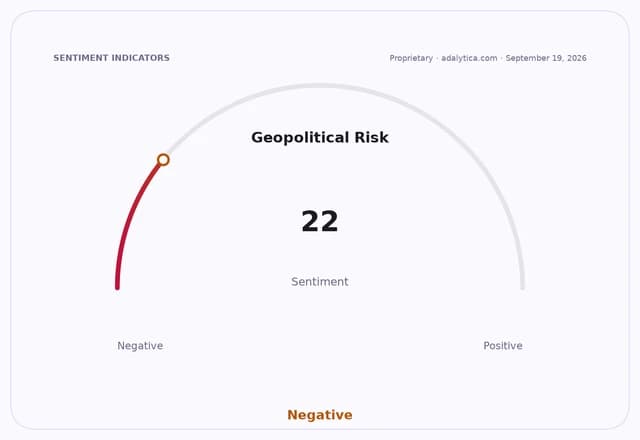
For markets, the immediate issue is not the exchange of insults but the possibility that the standoff hardens into policy. Brazil is a major exporter of commodities, manufactured goods and agribusiness products to the US, and tariff escalation would hit margins for exporters, complicate supply chains and add pressure to growth at a time when Latin America’s largest economy is trying to preserve capital inflows. The Brazilian real and local assets also tend to be sensitive when relations with Washington deteriorate, particularly if investors worry the dispute could widen beyond trade into sanctions, industrial policy or regulatory retaliation.
Brazilian equities tied to the domestic cycle have been more resilient than the politics suggests, with the EWZ exchange-traded fund still holding above its 50-day and 200-day moving averages after a volatile year. But the recent price action shows the market is not pricing a clean resolution: EWZ closed at $37.52 on Sept. 18, below its recent peak near the upper Bollinger Band and with RSI readings easing from overbought levels. Petrobras, which has rallied sharply this month, also remains highly exposed to geopolitical noise through energy pricing and the broader risk premium on Brazil. BRF, a major food exporter, and other agribusiness names could be among the first to feel any hit to demand or logistics if the dispute intensifies.
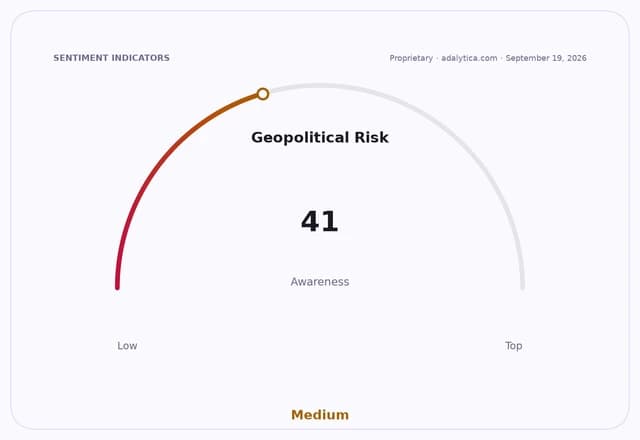
The broader backdrop is that Brasília is trying to diversify away from dependence on the US by deepening ties with other partners, including Turkey, India, Russia, Mexico and Angola. That pivot is partly defensive: the government wants to counter US tariffs, reduce exposure to unilateral pressure and keep trade channels open even as Washington becomes more confrontational. But diversification cannot fully offset the importance of the American market or the political signal sent when a sitting Brazilian president openly challenges a US president on the world stage.
Investors will be watching whether the UN confrontation becomes a symbolic flashpoint or the start of a more durable breakdown in economic ties. If the two sides move quickly to negotiations, the damage may stay contained to headlines and short-term volatility. If not, exporters, Brazilian rates assets and the real face a harder policy risk, while any sectors dependent on US market access could see valuations marked down further.
| Entity | Gains | Losses |
|---|---|---|
| Lula / Brazilian government | ▲nationalist support | ▼trade stability |
| Trump / U.S. hardliners | ▲leverage in talks | ▼diplomatic goodwill |
| Brazilian exporters | ▲diversification push | ▼tariff exposure |
| U.S. importers / consumers | ▲— | ▼higher Brazil-linked costs |