Bread is expensive because flour is only one input in a much larger cost stack, and that means government control of one subsidized ingredient does not stop the broader food-inflation machine.
Bread Inflation Persists Despite Flour Subsidies

That is the key economic message buried in the question about subsidized flour: when the state freezes one administered price but the cost of everything else keeps rising, bakeries and millers still pass through higher expenses in packaging, labor, transport, energy and financing. Investors should read that as a reminder that food inflation is often driven less by a single commodity and more by the health of the entire supply chain.
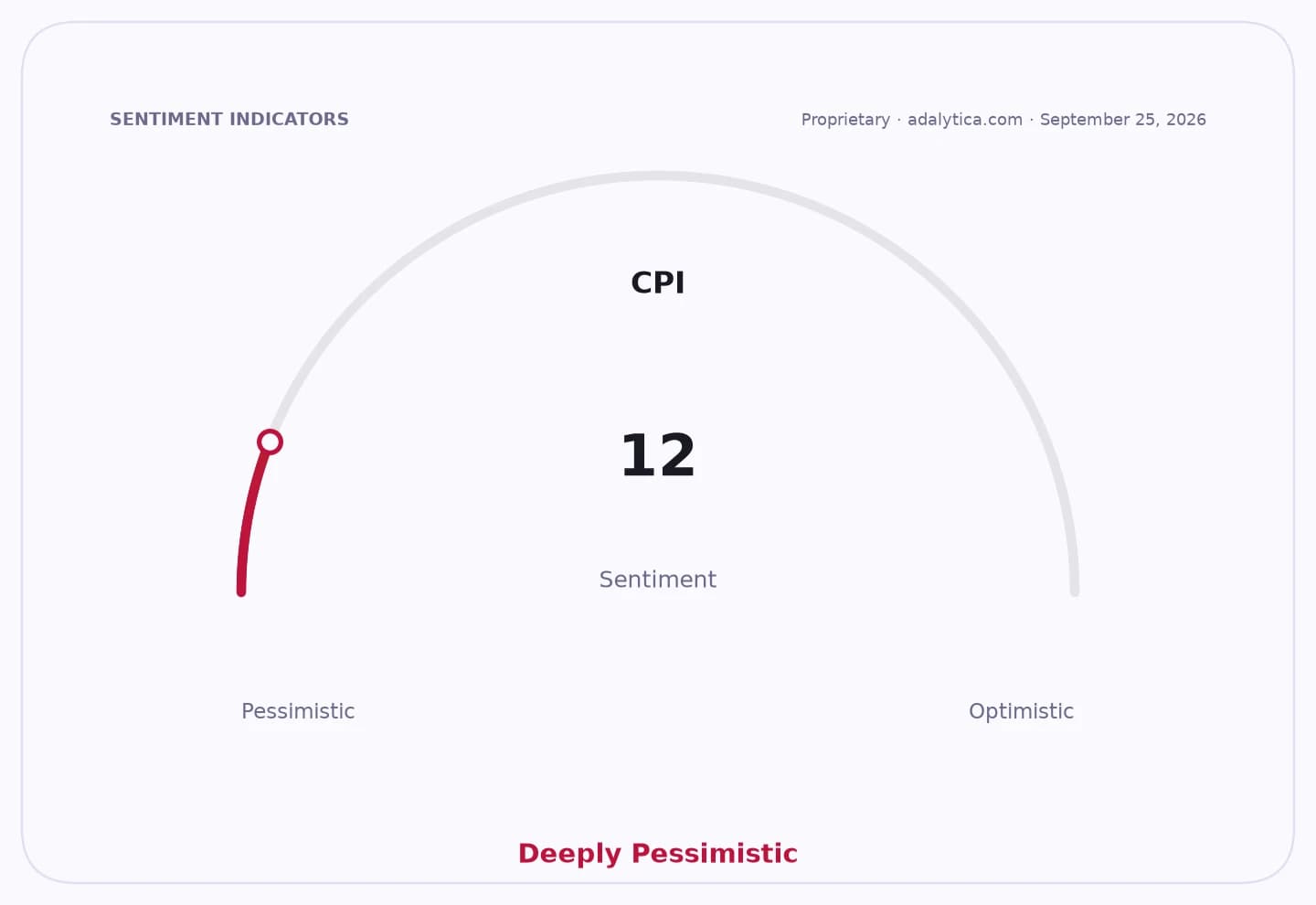
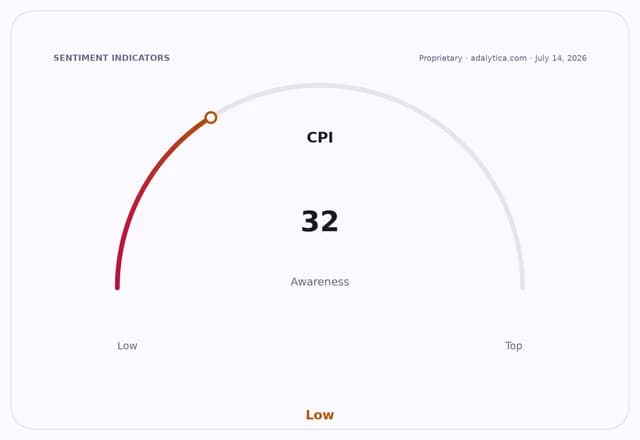
Sentiment IndicatorsⓘProprietary · adalytica.com · July 14, 2026
This is a snapshot — live sentiment, awareness and momentum for 130+ markets update continuously in the dashboard.Open AlphaPulse
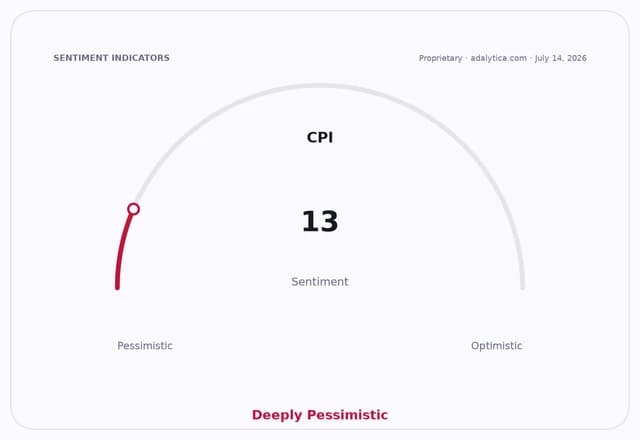
The data back that up. Consumer prices are still rising, with the CPI at 333.979 in May 2026, up 29.12% from a year earlier in the latest context, while producer prices have climbed to 292.504 and are forecast to keep advancing. That gap matters. It suggests firms upstream of the checkout counter are still facing cost pressure even where one key raw material is politically capped. In other words, the government can suppress one line item, but it cannot repeal inflation across the rest of the bakery value chain.
That is why bread stays expensive even when subsidized flour does not change price. Millers and bakers do not sell flour; they sell finished loaves. A loaf’s price reflects wheat procurement, milling losses, yeast, fuel, electricity, wages, rent, distribution and, increasingly, working-capital costs. With the 10-year yield around 4.56%, financing inventory and operating expenses is not free, and that matters for a low-margin staple business. The result is a familiar pattern in food markets: price controls distort the visible input, not the final bill.
For investors, this is less about bread and more about pricing power. The market underestimates how resilient food inflation can be when governments target subsidies instead of the full cost base. That creates winners in companies and funds with genuine pass-through ability and losers among businesses stuck in regulated, low-margin channels. Agricultural and broad commodity exposures have already started to reflect that tension. WEAT has pushed higher, with its 50-day average above the 200-day average and RSI readings rebounding into the low 60s, while CORN remains range-bound but still well above its longer-term trend. DBA, the broader agriculture basket, has also held up. Those are classic signs that investors still want inflation hedges tied to food supply, even when headline price controls suggest otherwise.
The deeper narrative is that bread inflation is really a story about policy leakage. Governments can delay the symptom, but if they do not address energy, logistics, wage growth and credit costs, the consumer still pays at the bakery counter. That is why the most attractive trades are not in the price-controlled end of the chain, but in the toll roads around it: crop inputs, farm machinery, grain logistics, commodity ETFs and selective food processors with real pricing power.
My thesis is simple: do not mistake a subsidized input for a solved inflation problem. If bread is still expensive, the real opportunity is in owning the parts of the food chain that benefit when distorted pricing eventually catches up.
| Entity | Gains | Losses |
|---|---|---|
| Commodity ETFs (WEAT, CORN, DBA) | ▲Inflation hedge demand | ▼Policy-distorted pricing |
| Grain suppliers and farmers | ▲Better realized prices | ▼Subsidy-driven margin squeeze |
| Bakers and millers | ▲Stable input headlines | ▼Higher non-flour costs |
| Consumers | ▲None | ▼Higher bread prices |