Brega Oil Increases Fuel Deliveries in Libya
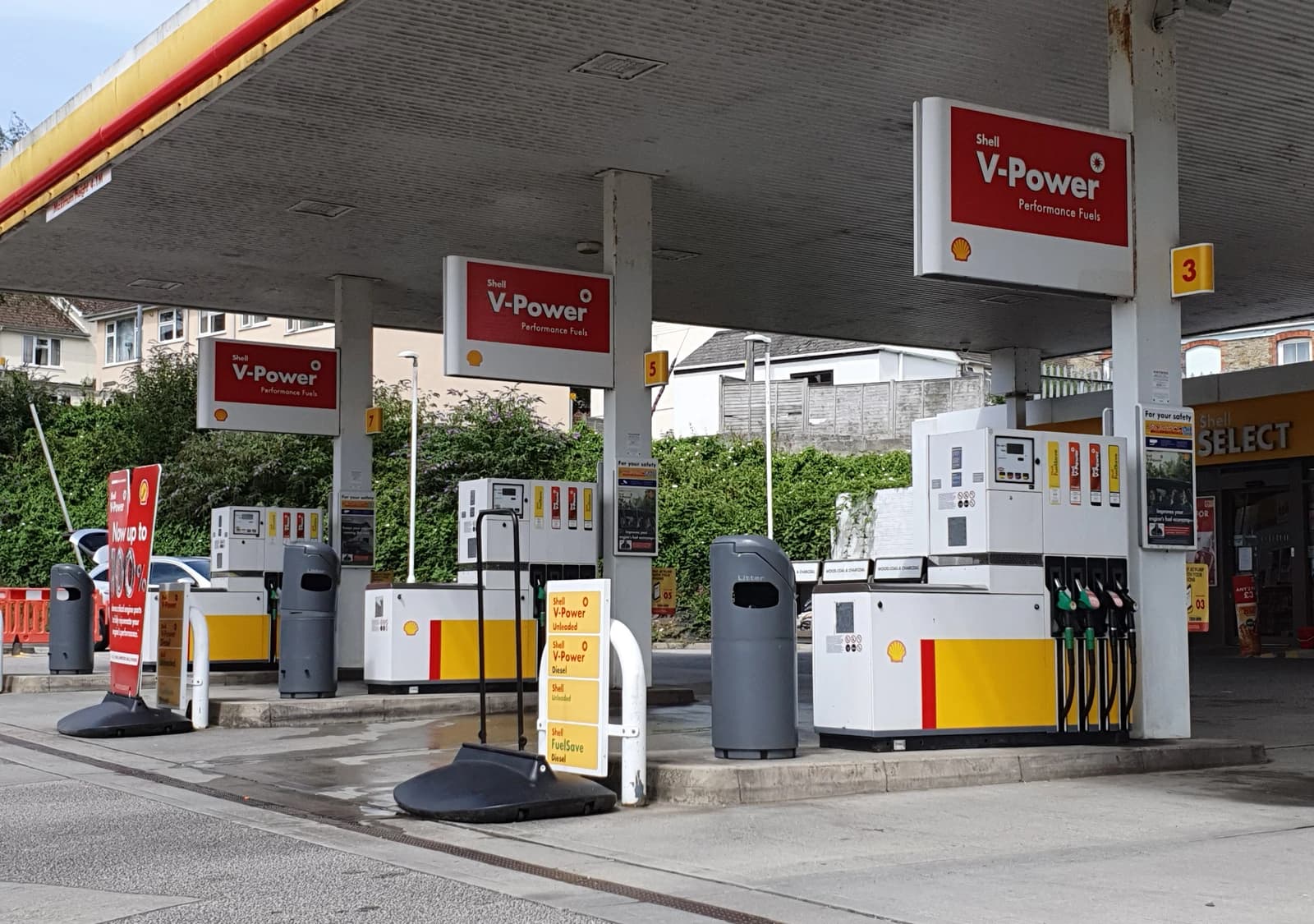
Brega Oil Marketing Company has started increasing fuel deliveries to a number of gas stations, a step that points to easing pressure in Libya’s gasoline market after weeks of distribution bottlenecks.
The move matters because fuel availability is a critical economic and political variable in Libya, where shortages can quickly feed transport delays, higher logistics costs and public unrest. Restoring shipments to stations should help reduce congestion at pumps and improve the flow of goods and commuters, while also signaling that authorities are trying to stabilize downstream supply chains rather than relying on emergency rationing.
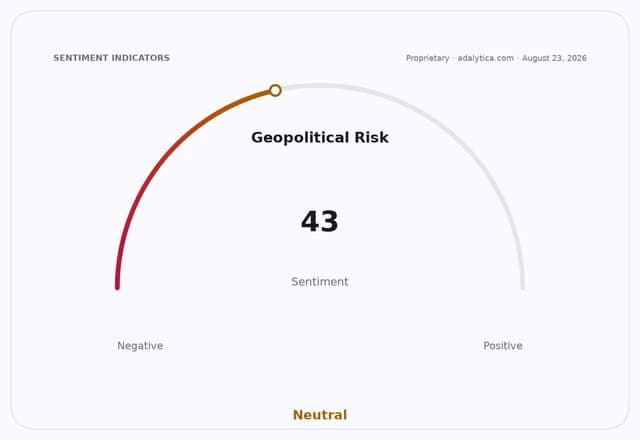
The development also fits a broader pattern of tightening then normalizing fuel markets across key regions. In the United States, regulators are moving to ease gasoline requirements as several refineries come back online after repairs, a sign that supply conditions are improving in one of the world’s most closely watched fuel markets. Together, the examples suggest that near-term constraints are giving way to a more manageable balance, even if the system remains vulnerable to outages, transport disruptions and geopolitical shocks.
For investors, the immediate read-through is less about direct exposure to Brega than about the direction of regional refined-product markets and the premium attached to supply reliability. When shortages ease, margins for emergency imports and spot delivery can soften, while companies with downstream logistics and storage capacity may see more stable volumes. The broader oil complex remains sensitive to any hint that refining or distribution problems could reverse, and that is part of why energy-linked funds have stayed firm even as supply fears ebb.
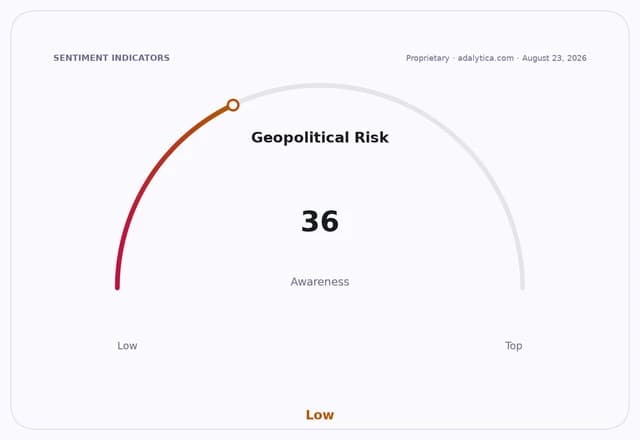
Technical indicators on USO, the U.S. oil fund, show the market remains overextended by conventional measures, with the fund trading far above its 50-day moving average and relative strength readings in deeply overbought territory. That suggests traders are still pricing in a strong oil backdrop, even as the latest fuel-supply headlines point to a modest easing of one stress point.
The bull case is that better fuel distribution in Libya, along with refinery restarts elsewhere, lowers the odds of a renewed regional shortage and supports broader market stability. The bear case for energy bulls is that if supply normalization continues, some of the scarcity premium embedded in refined products and crude-linked instruments could fade. For consumers and import-dependent economies, though, the near-term result is straightforward: fewer station queues, lower disruption risk and a better chance that fuel prices stop rising faster than wages and freight rates.
| Entity | Gains | Losses |
|---|---|---|
| Libyan motorists | ▲Easier access to fuel | ▼Shorter shortage-driven queues |
| Brega Oil Marketing | ▲Operational credibility | ▼Emergency scarcity leverage |
| Local transport and commerce | ▲Lower logistics disruption | ▼Less fuel-related delay |
| Oil bulls / refined-product traders | ▲Continued volatility premium | ▼Scarcity trade unwinding |