Brent crude tops $100 on Middle East supply fears
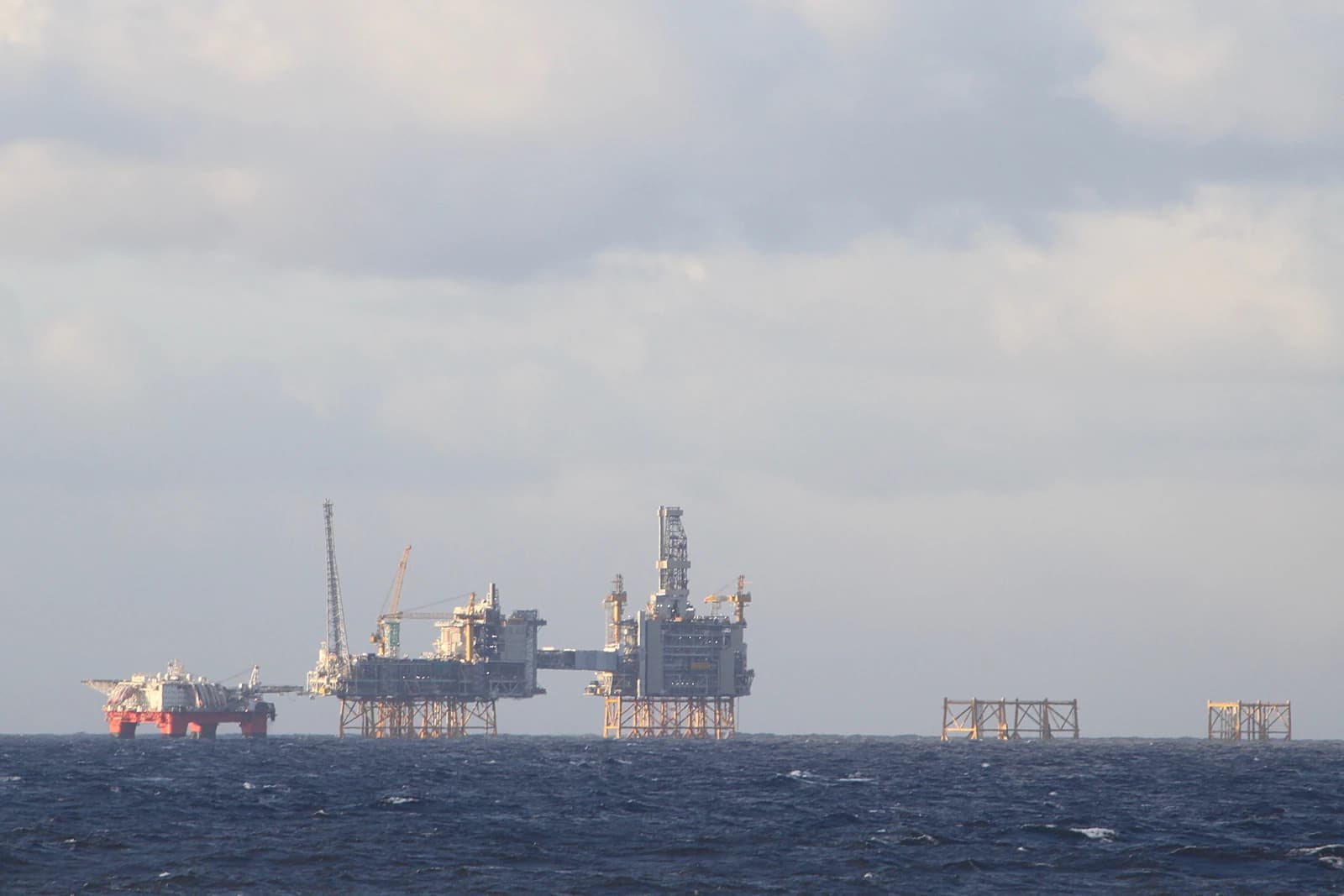
Brent crude jumped above $100 a barrel for the first time since late July as renewed conflict in the Middle East jolted traders on supply-risk fears and added fresh upside pressure to already sticky energy costs.
The international benchmark rose as much as 2.2% to $100.19 before settling just below that level at $99.90, while US West Texas Intermediate climbed 1.83% to $94.73. Brent has gained about 25% since early August as hopes for a durable resolution to the six-month-old US-Iran conflict faded and investors priced in a wider regional spillover.
The move matters because oil remains one of the fastest channels through which geopolitics reaches the broader economy. Higher crude prices feed directly into transport, freight and manufacturing costs, and they raise the odds that inflation stays elevated for longer just as policymakers are trying to balance growth risks.
The latest leg higher follows attacks by Iran-backed Houthi forces on Saudi energy facilities that set oil installations ablaze and intensified concern over shipping routes. Traders are now focused on the Red Sea and the Strait of Hormuz, where flows have fallen below 2 million barrels a day after running at roughly 8 million to 9 million barrels a day before fighting resumed on August 30, according to Rystad Energy chief economist Claudio Galimberti.
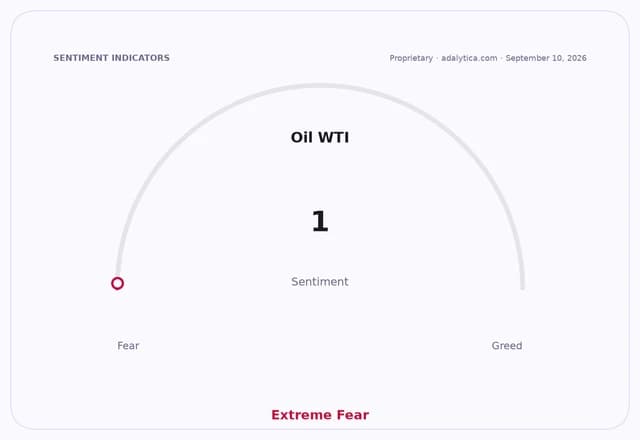
That supply squeeze is already showing up across related markets. The USO oil fund rose to $154.26 and Brent-linked BNO climbed to $61.56, with both trading well above their 50-day moving averages and in overbought territory on the relative strength index, a conventional technical indicator. Adalytica’s trade signals for USO also show extreme fear even as awareness remains at maximum, underscoring how quickly sentiment has turned alongside the price spike.
Big banks have responded by lifting crude forecasts, with Goldman Sachs, Bank of America and HSBC among those revising projections higher in recent days. For investors, the key risk is that a sustained move above $100 keeps pressure on airlines, chemicals, trucking and consumer spending, while oil producers and energy ETFs stand to benefit if the conflict keeps threatening supply routes.
The next catalyst is whether the Middle East fighting widens further or shipping disruptions deepen enough to keep crude anchored near triple digits rather than slipping back toward recent levels.
| Entity | Gains | Losses |
|---|