Brent crude falls but stays above $100

Oil prices dropped sharply on Friday, but Brent crude still headed for a second straight weekly gain as traders weighed the risk that the Middle East conflict could widen into a prolonged war involving Iran.
Brent fell 3.58% to $103.78 a barrel after touching about $108 on Thursday, while U.S. West Texas Intermediate slipped 2.17% to $99.23. Even with the pullback, Brent was on track for an 8.4% weekly advance and its first close above $100 since mid-May, underscoring how geopolitical risk is keeping a floor under the market.
The move matters because energy prices feed directly into inflation, transport costs and corporate margins, especially for airlines, chemical makers and industrial users. A sustained oil move above $100 would also complicate central bank efforts to cool prices and could delay relief for consumers already facing higher living costs.
The market’s latest surge was driven by fears the Israel-Iran conflict could drag on, with the Wall Street Journal reporting that senior White House advisers discussed with President Donald Trump the possibility of fighting continuing beyond his current term. Trump has said the conflict will end after the U.S. midterm elections and that oil and gas prices will fall after November, but traders are still pricing in the risk of supply disruption.
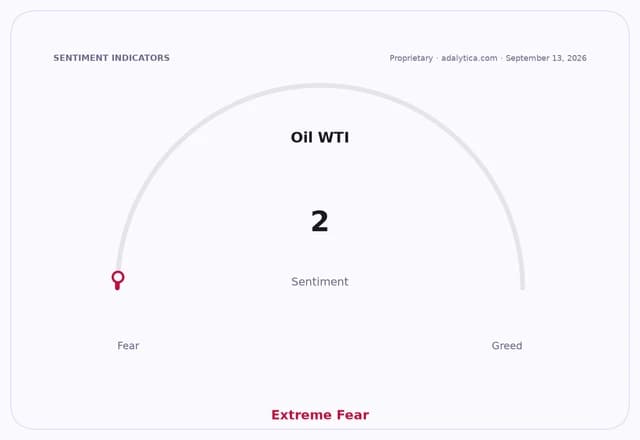
Deutsche Bank analyst Jim Reid said in a note Friday that “geopolitical concerns are driving everything,” while PVM’s Tamas Varga said further spikes could not be ruled out, even if higher prices eventually curb demand. Varga said the current crisis differs from the 1990 Gulf War because oil demand today is more flexible and renewables can replace some uses, particularly power generation.
For investors, the key question is whether the market is entering a sustained risk premium phase or just another brief spike. Energy producers and oil-linked ETFs stand to benefit from higher crude, while refiners, transport stocks and other fuel consumers face margin pressure if prices hold near or above $100.
USO, the U.S. oil fund, ended Friday’s latest session at 154.90 after its recent rally, with its relative strength index still elevated, suggesting the market remains stretched even after the latest pullback. Brent’s next catalyst is the pace of diplomacy and any signs of supply disruption, with traders also watching whether inventories keep tightening enough to support another run at April’s peak near $126.
| Entity | Gains | Losses |
|---|---|---|
| Oil producers | ▲Higher realized prices | ▼Demand destruction if prices stay elevated |
| Energy ETFs | ▲Inflows and momentum | ▼Volatility after sharp swings |
| Airlines and transport firms | ▲— | ▼Fuel-cost pressure |
| Consumers and central banks | ▲Temporary relief if prices ease | ▼More inflation if Brent stays above $100 |