Brent crude holds above $100 on Hormuz attacks
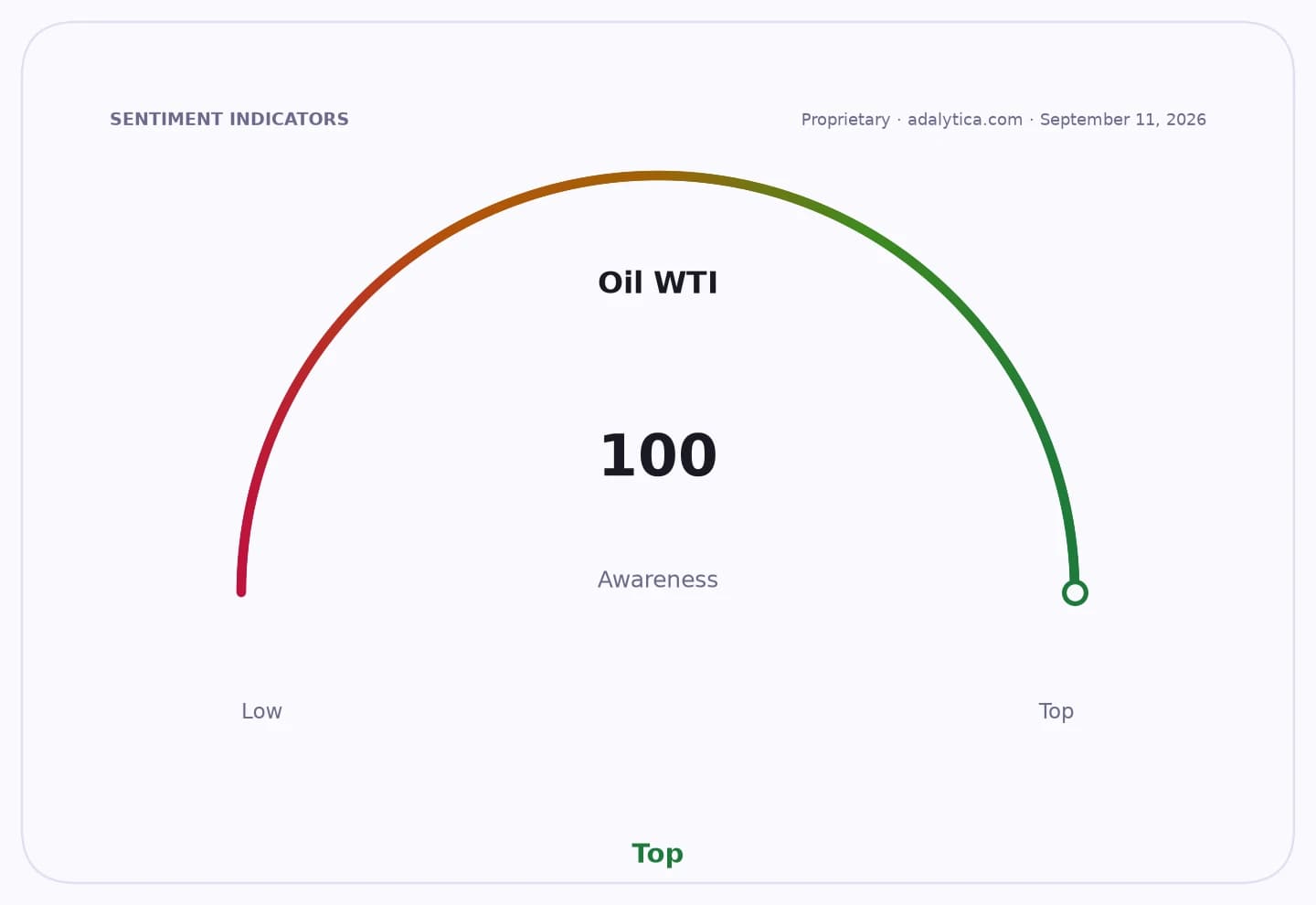
Brent crude held above $100 a barrel as attacks on tankers in and around the Strait of Hormuz escalated, keeping one of the world’s most important oil chokepoints under pressure and threatening to keep energy prices elevated for longer.
That matters because the Strait of Hormuz is not just a shipping lane — it is the artery for a large share of global crude and LNG exports. When flows are disrupted there, the shock travels quickly through fuel markets, airline costs, petrochemicals and eventually inflation readings. Even a relatively small move in Brent can have an outsized effect on the broader economy if traders begin to assume the disruption is not temporary.
Iran said it had attacked 10 ships near the strait after the U.S. sank five Iranian oil tankers, and the Revolutionary Guard warned it would escalate if the attacks continued. Brent rose to $101.34 a barrel, while U.S. West Texas Intermediate climbed to $96.55. That follows a period in which oil flow through the waterway remained well below pre-war levels, reinforcing the market’s message that spare capacity cannot fully insulate consumers from geopolitical risk.
For investors, the immediate question is whether this is a short-lived risk premium or the start of a more durable energy uptrend. Right now, the market is pricing in the latter possibility. The U.S. Oil Fund, or USO, has surged to $158.38, and the Energy Select Sector SPDR Fund, or XLE, is hovering near $65 after a strong run. The technical backdrop is still firm, with both funds trading above their 50-day and 200-day moving averages and USO’s relative strength index deep in overbought territory, a sign that momentum remains powerful even after a sharp rally.
That creates winners and losers across the market. Energy producers, tanker owners and related service firms stand to benefit from higher crude prices and tighter supply expectations. Consumers, refiners, airlines and import-heavy economies are the ones paying the bill, especially if higher oil prices feed into transportation and manufacturing costs. Governments trying to bring down inflation will also have a harder job if energy keeps climbing.
There is also a broader portfolio lesson here: geopolitical shocks can arrive faster than fundamentals adjust. Investors do not need to predict the next attack to prepare for it. Exposure to energy, commodities and diversified equities can help balance a portfolio when one of the world’s most traded commodities suddenly becomes scarcer.
If the Strait of Hormuz remains a flash point, oil may stay bid even without a full-blown supply outage. That makes this more than a headline trade. It is a reminder that in energy markets, fear alone can be powerful enough to move prices — and that is worth watching, not chasing.
| Entity | Gains | Losses |
|---|---|---|
| Oil producers | ▲Higher realized prices | ▼Political pressure |
| Energy ETFs/USO/XLE holders | ▲Momentum gains | ▼Overbought risk |
| Consumers/airlines | ▲None | ▼Higher fuel costs |
| Importing economies | ▲None | ▼Inflation pressure |