Brent crude rises above $100 on Middle East risks
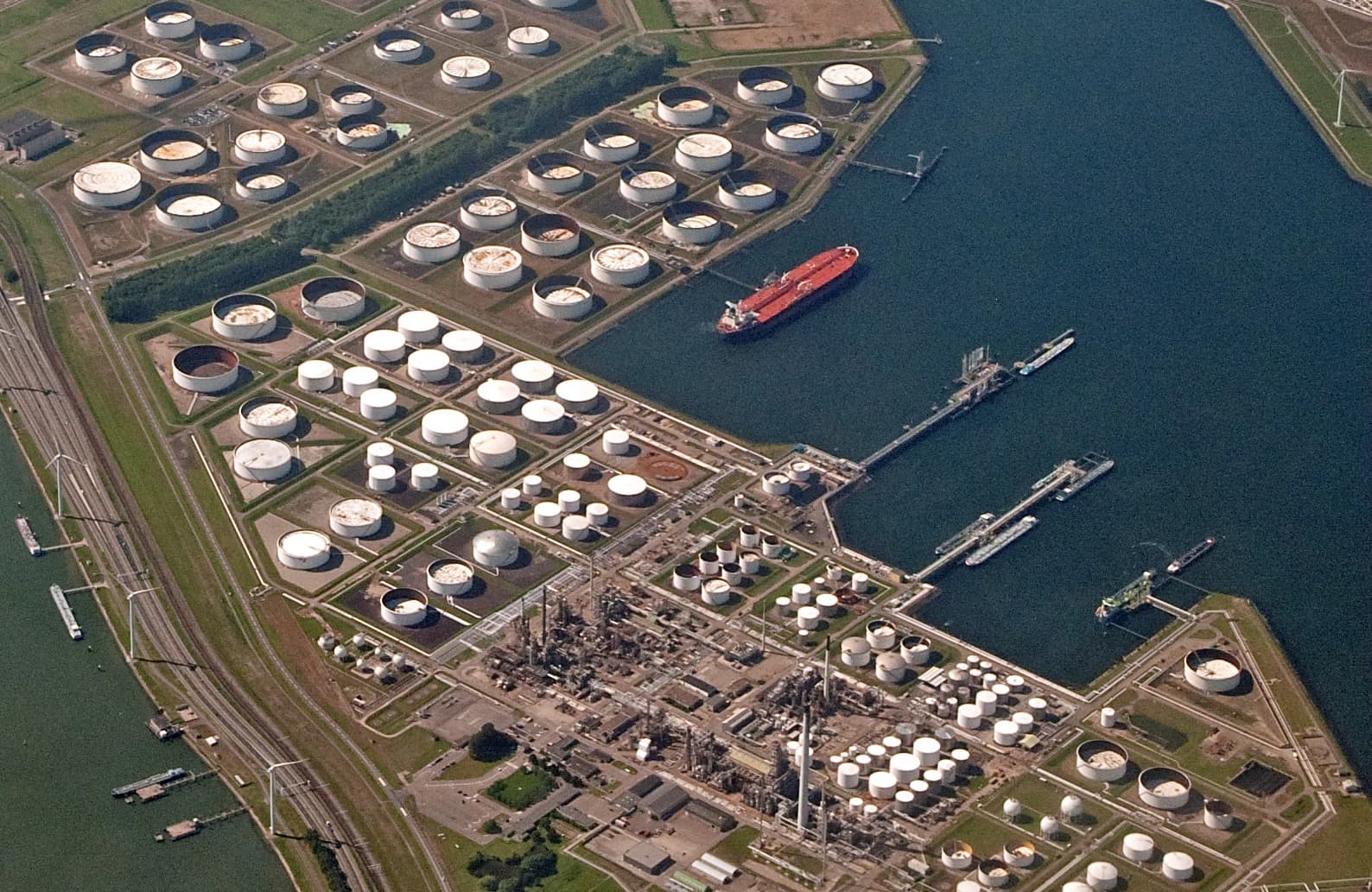
Brent crude jumped back above $100 a barrel for the first time since July, underscoring how quickly escalating Middle East risks can jolt global energy markets and threaten inflation just as central banks weigh interest-rate moves.
November Brent futures rose 2.21% to $100.08 a barrel in Wednesday trade, while October WTI climbed 1.84% to $94.74. The move comes as investors price in the risk of supply disruptions after damage to a fuel oil pipeline in Iraqi waters and wider conflict across West Asia, adding a geopolitical premium to an already tight market.
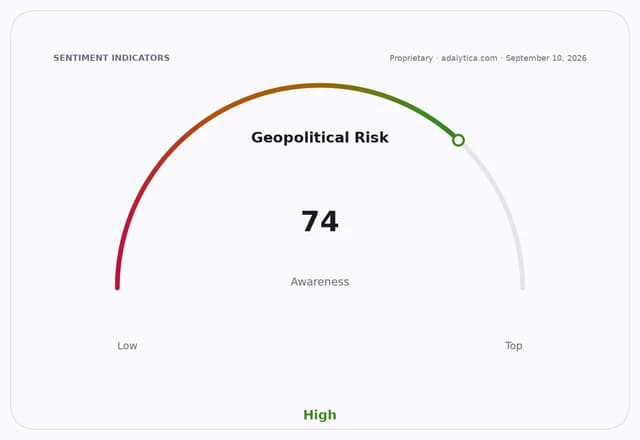
For consumers and policymakers, the timing matters. Higher crude prices feed directly into fuel costs, freight and broader transport inflation, complicating the outlook for growth and rates at a time when the U.S. 10-year Treasury yield is near 4.8%.
Energy equities are already responding. The Energy Select Sector SPDR Fund, XLE, rose to $65.31, extending a multi-month rally, while the U.S. Oil Fund, USO, climbed to $149.97. Brent’s break above the conventional $100 level also pushes prices back through a psychologically important threshold that often triggers hedging, momentum buying and fresh concern about margin pressure for refiners and airlines.
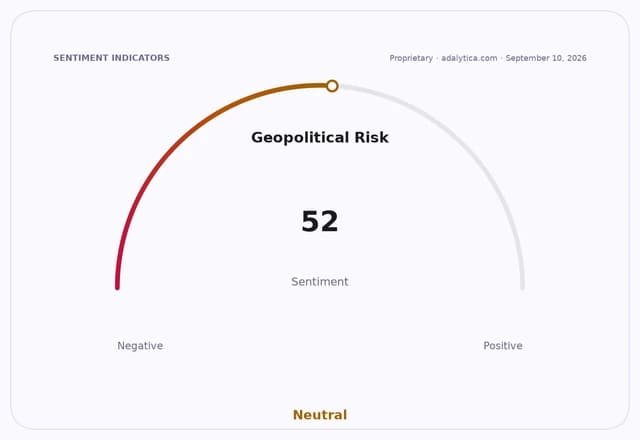
Technical indicators point to a market that has been trending higher for weeks. Brent’s latest close is above its 50-day moving average, and its RSI readings remain near 70, a level traders often view as overbought. USO has also moved well above its 50-day and 200-day moving averages, reflecting persistent demand for oil exposure.
The rally is likely to keep energy stocks bid near term while pressuring importers, airlines and other fuel-sensitive industries. The next catalyst is whether the geopolitical flare-up worsens or eases, with traders now focused on supply security, OPEC+ output discipline and any signs of demand damage if crude stays above $100.
| Entity | Gains | Losses |
|---|---|---|
| Brent crude bulls | ▲Higher prices | ▼Volatility risk |
| Energy producers | ▲Wider revenue | ▼Political uncertainty |
| Airlines and importers | ▲— | ▼Higher fuel costs |
| Energy ETFs like XLE and USO | ▲Momentum inflows | ▼Overbought risk |