Brent Crude Tops $108 as India Faces Growth Risk
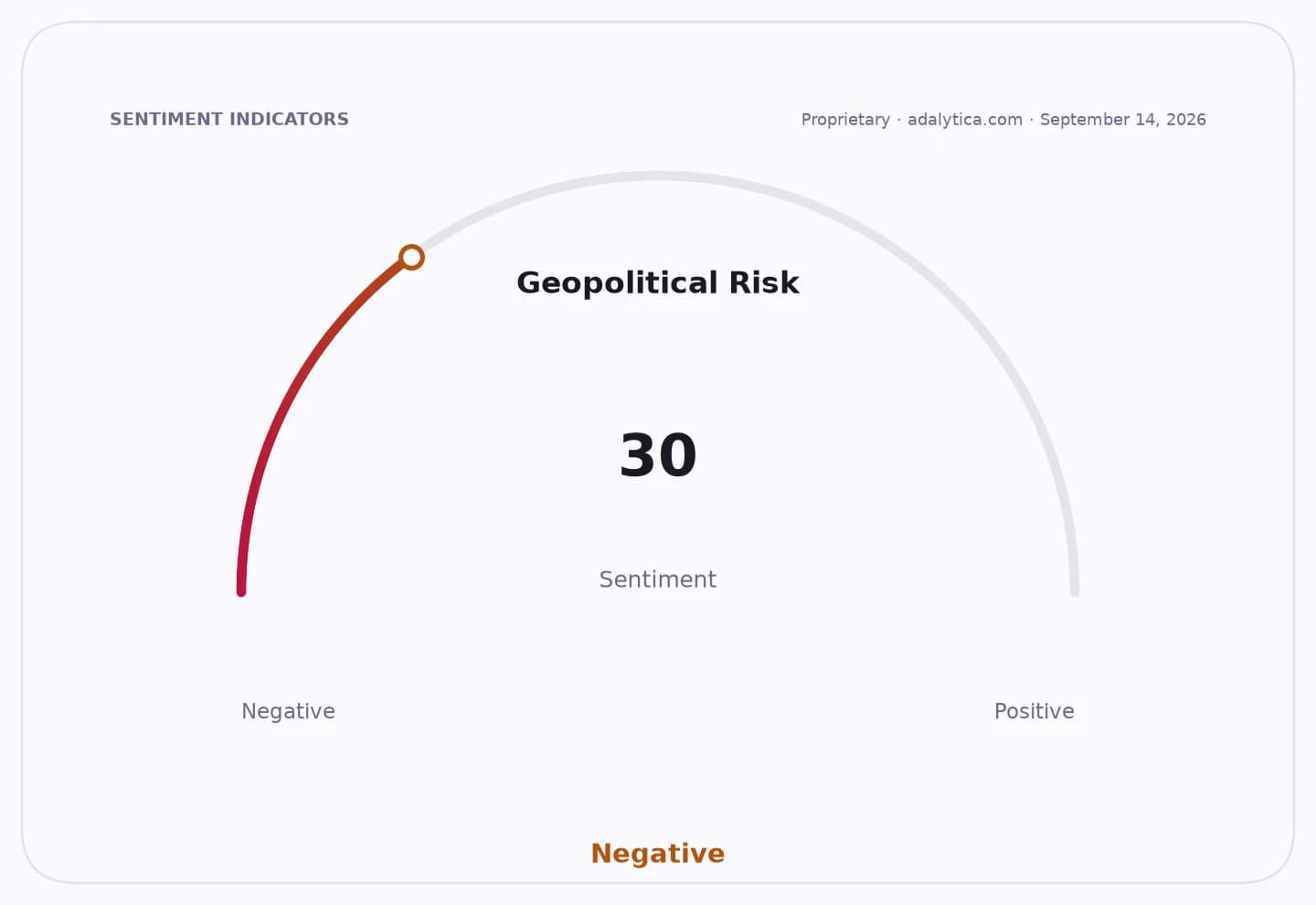
Brent crude’s jump above $108 a barrel is turning a regional security shock into a global macro problem, with India among the most exposed major economies as higher fuel costs threaten growth, inflation and the current account.
The benchmark touched $108.77, a four-month high, and was still above $107 after climbing more than 12% in a week as West Asia tensions escalated and traders priced in the risk of supply disruption through key energy corridors. That move matters far beyond the oil patch: when crude breaks out this sharply, import-heavy economies feel it first through a wider trade deficit, then through pricier transport, food and industrial inputs, and finally through weaker consumer demand and policy pressure.
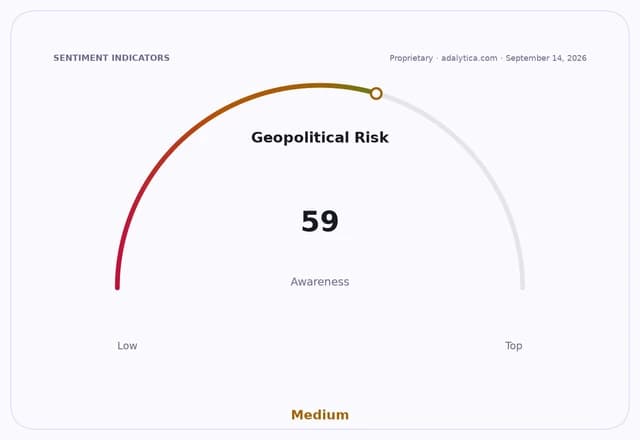
For India, the math is straightforward and uncomfortable. A senior market watcher cited in the report said each $10 rise in crude can shave 20 to 30 basis points from GDP growth. With India’s latest quarterly growth at 7.8%, the latest leg higher in oil threatens to clip momentum just as the economy was gaining credibility as one of the world’s fastest-growing large markets. It also risks reviving inflation at a time when policymakers have been trying to preserve room for growth-supportive settings.
The external account is the other fault line. India imports most of its crude, so a sustained move above $100 a barrel widens the oil bill quickly and can pressure the rupee if capital inflows do not keep pace. That is why traders watch Brent almost as closely as they watch the Federal Reserve: for India, oil is not just an input cost, it is a balance-of-payments variable.
The market reaction is already visible in energy proxies. Brent-linked funds and oil-sensitive trades have been bid up, with BNO and USL both pushing to levels that sit well above their 50-day moving averages. Adalytica.com’s Oil WTI Trade Signals snapshot shows “Extreme Fear” even as awareness is “Extreme Greed,” a classic sign that investors are chasing the headline risk while remaining deeply uneasy about where the move ends. Geopolitical risk sentiment has also deteriorated, reinforcing the view that this is not a one-day spike but a repricing of supply uncertainty.
That creates a clear investment map. The immediate winners are producers, oil-service firms and shipping assets tied to barrels moving out of the Middle East and other stable basins. The losers are India’s fuel importers, airlines, transport companies and consumer businesses with weak pricing power. For equity investors, the bigger opportunity may lie in the second-order trade: infrastructure, domestic energy, refiners with feedstock flexibility and any company positioned to benefit from a longer period of elevated capex into energy security.
The key question now is duration. If West Asia tensions cool quickly, Brent could retreat as fast as it surged. But if the conflict keeps energy routes under strain, the oil market will stop behaving like a short-term geopolitical trade and start acting like a medium-term tax on importers. That is when the real winners emerge: not the speculators who bought the spike, but the investors who positioned early for a world where energy security, not cheap oil, drives capital allocation.
| Entity | Gains | Losses |
|---|---|---|
| Oil producers | ▲Higher realized prices | ▼Demand destruction risk |
| Oil importers like India | ▲None | ▼Wider trade deficit |
| Energy ETFs/funds | ▲Momentum inflows | ▼Volatility risk |
| Airlines and transport firms | ▲None | ▼Higher fuel costs |