Brent Falls Below $104 as Supply Fears Ease

Oil prices are slipping for a third straight session, with Brent down to about $103.65 a barrel, as traders back away from the view that the Middle East flare-up will quickly choke off supply.
That matters because crude near $100 still feeds directly into inflation, margins and central-bank pressure, but the market is now pricing a more orderly supply picture: Saudi Arabia is repairing the East-West pipeline to the Red Sea and aiming to restore roughly half its capacity within days, while tankers continue moving through the Strait of Hormuz. The immediate message for investors is that the war premium is shrinking faster than many expected.
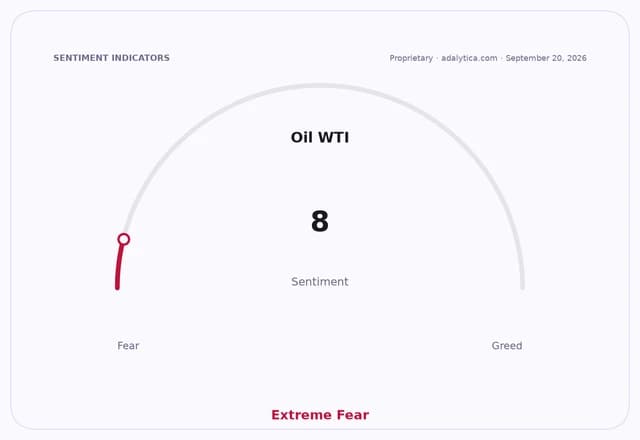
The downside move also reflects a classic repricing of physical fundamentals. U.S. crude inventories have risen unexpectedly, easing the urgency around near-term shortages and reinforcing the idea that the market is not as tight as the geopolitical headlines suggest. Brent’s retreat, after a recent burst above $107, shows how quickly crude can give back gains when disrupted barrels do not disappear from the market.
For consumers and the broader economy, lower oil is a relief. It can ease gasoline and transport costs, reduce pressure on inflation expectations and improve the odds of a softer policy path for the Federal Reserve and other central banks. For equities, it is a mixed but ultimately constructive signal: airlines, chemicals, industrials and broad market benchmarks tend to benefit from cheaper energy, while the cash flow outlook for producers, service companies and energy-weighted funds becomes more fragile.

That is the key investment takeaway. The market underestimates how often geopolitical risk premiums in oil fade before the underlying conflict is resolved, and that creates opportunity in the second-order winners rather than the headline trade. Energy shares, as tracked by the XLE ETF, have already pulled back from recent highs even as crude remains elevated, a sign investors are starting to discount less upside in the commodity itself. By contrast, industrials, consumer discretionary names and refiners with strong feedstock access stand to gain if Brent keeps easing toward the high $90s.
The bigger narrative is not simply that oil is falling; it is that supply fear is being overtaken by supply resilience. Unless a fresh escalation closes shipping lanes or damages export infrastructure more broadly, the burden of proof has shifted back to bulls. For investors, that means positioning for a market where crude stays volatile, but the asymmetric opportunity increasingly sits in businesses that benefit when energy prices cool.
| Entity | Gains | Losses |
|---|---|---|
| Airlines / transport stocks | ▲Lower fuel costs | ▼Less protection from inflation hedges |
| Energy producers (XLE, Brent bulls) | ▲Still elevated absolute prices | ▼Softer crude pricing, lower margins |
| Consumers / industrials | ▲Easier input costs | ▼None material from this move |
| Central banks | ▲Less inflation pressure | ▼Fewer reasons to stay hawkish |