Brent Falls 3% After Saudi Yanbu Pipeline Shutdown
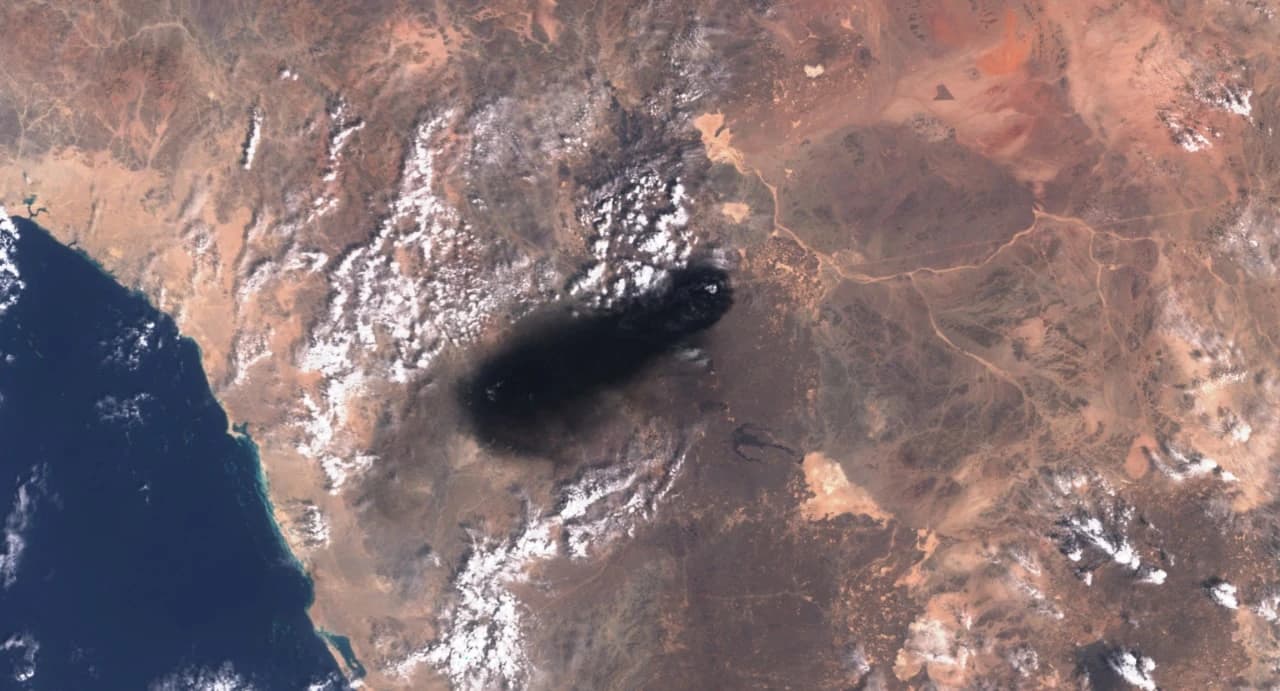
Brent crude fell more than 3% on Wednesday even as Saudi Arabia shut the Yanbu east-west pipeline after Houthi attacks, underscoring how quickly geopolitics is overpowering the usual oil-demand signals.
The November Brent contract was down 3.32% at $105.14 a barrel in London late in the session, after touching $104.32, its lowest since the start of the week. U.S. West Texas Intermediate dropped 3.64% to $101.98. The pullback came after Brent had risen 2.9% in the previous session to its highest in almost four months, above $110, as traders priced in a wider risk premium for supply disruption in the Middle East.
The key issue for markets is not the day’s price swing but the narrowing of escape routes for regional crude. Saudi Arabia’s closure of the Yanbu pipeline removes a major westbound outlet to the Red Sea after attacks claimed by Yemen’s Houthi rebels, who said they struck Aramco facilities and the Khamis Mushait air base. Together with the Strait of Hormuz in the east and Bab el-Mandeb in the west, the region’s oil chokepoints have become a central concern for refiners, shipping firms and consumers trying to gauge whether a localized conflict can become a global supply shock.
That is why prices can fall on the day even as the structural risk rises. Traders are balancing immediate inventory data against the possibility that any further escalation could cut more barrels from the market. The American Petroleum Institute said U.S. commercial crude inventories rose by more than 7 million barrels last week, a reminder that physical stocks still matter to near-term pricing. But the broader narrative is dominated by the war premium: the market is trying to price a supply chain that is now more vulnerable than at any point in recent months.
For investors, the implications are split. Oil producers and energy equities may continue to benefit from higher realized prices and a stronger hedge against geopolitical shocks. That helps explain why oil-focused funds and energy shares had already been bid up in recent sessions. But airlines, transport operators, chemical producers and other fuel-intensive sectors face renewed margin pressure if the disruption widens or if Brent holds above the $100 threshold for longer. The move also adds to inflation risks just as bond markets are already pricing elevated rates, with the U.S. 10-year yield around 5%.
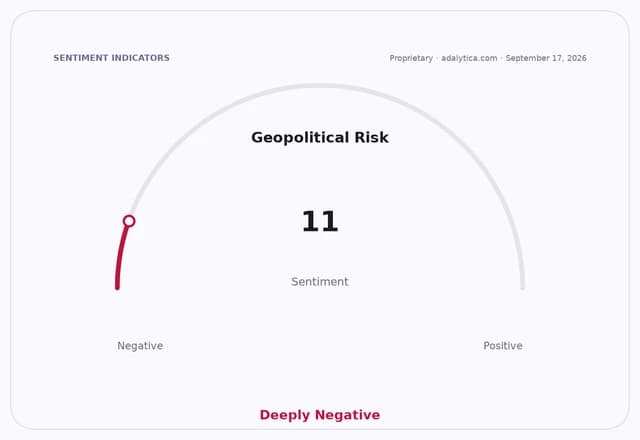
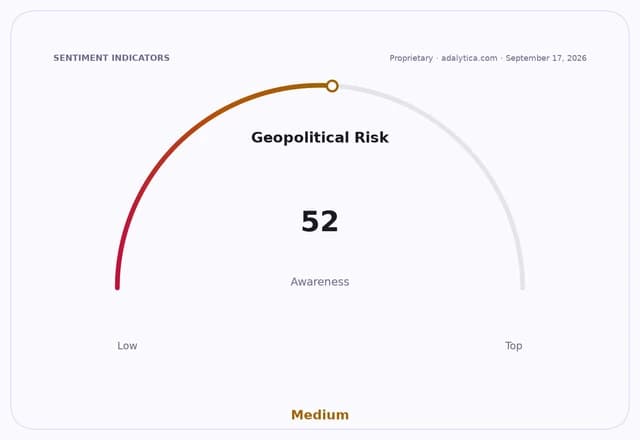
Technical indicators in oil-linked funds suggest the market remains stretched rather than calm. BNO, the Brent ETF, was still trading above its 50-day and 200-day moving averages, while its RSI reading remained elevated, showing momentum had cooled but not reversed. Adalytica’s oil trade signal snapshot pointed to “Extreme Fear” even as awareness stayed high, a mix that often accompanies markets where price action is being driven more by headlines than by fundamentals.
The next catalyst is whether the pipeline shutdown is brief or becomes part of a longer pattern of retaliation across the region. If Yanbu stays offline and attacks continue, the market could quickly refocus on lost barrels rather than swollen inventories. If the damage proves contained, Wednesday’s drop may look like a pause in a still-firm war premium rather than the start of a broader reversal.
| Entity | Gains | Losses |
|---|---|---|
| Energy producers | ▲Higher crude prices | ▼Demand-sensitive sectors |
| Brent longs | ▲Geopolitical risk premium | ▼Short-term price dips |
| Refiners and airlines | ▲Lower input costs on pullbacks | ▼Margin pressure if oil stays above $100 |
| Saudi supply chain | ▲None from closure | ▼Export flexibility and market confidence |