Brent rises above $91 on Strait of Hormuz tensions
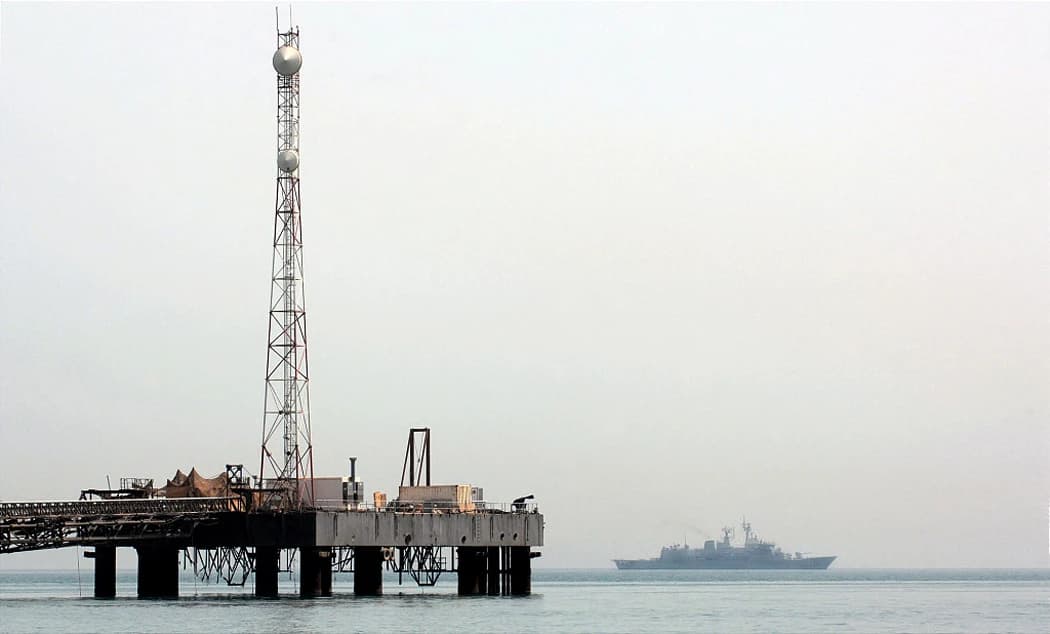
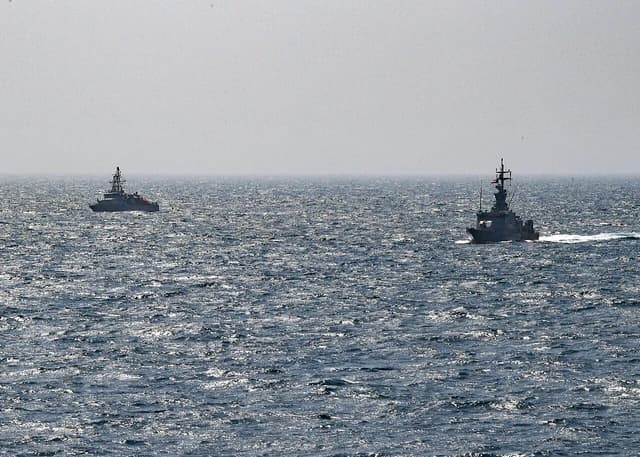
Brent crude rose above $91 a barrel for a second straight session as fresh clashes involving the United States and Iran near the Strait of Hormuz forced traders to rebuild a risk premium around the world’s most important oil chokepoint.
The move matters because the Strait carries roughly a fifth of global oil flows, making even short-lived disruption fears enough to jolt prices, shipping costs and inflation expectations. With benchmark crude already elevated in 2026, the latest spike underscores how quickly geopolitics can override signs of ample supply and put a floor under energy markets.
The price action also filtered through equities and exchange-traded products tied to crude. USO, a broad oil ETF, has climbed to 133.7, while BNO, which tracks Brent exposure, finished at 52.84, both well above their 50-day and 200-day moving averages. BNO’s relative strength index is in the low 60s and USO’s is near 61, levels that suggest momentum remains firm even after several weeks of sharp gains and pullbacks. XLE, the energy equity ETF, rose to 63.96, extending a rally that reflects both higher crude prices and expectations for stronger cash flow across producers.
The market’s reaction is being amplified by a wider reassessment of supply security. Wood Mackenzie has been commissioned to examine a $500 million strategic storage project to cushion against disruption risk, while Japan is studying alternative pipeline routes to reduce dependence on Hormuz. The U.S. has also moved to keep transit open, highlighting how deeply the passage remains embedded in global energy logistics despite repeated claims that American shale output has reduced its strategic importance.
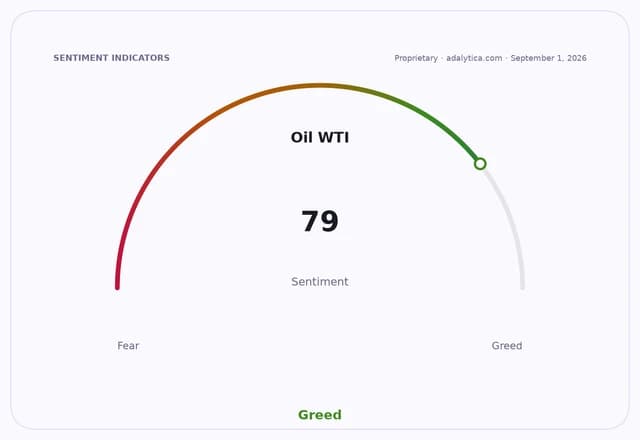
For investors, the immediate winners are upstream producers and oil-linked funds, which gain operating leverage from any sustained move higher in crude. The losers are airlines, chemicals, refiners with weak feedstock pass-through and oil-importing economies that face a worse inflation backdrop and potentially tighter policy. The macro spillover is especially important with 10-year U.S. Treasury yields already near 4.7%, leaving little room for another energy-driven leg higher in price pressures.
The key question now is whether the move becomes a short-lived geopolitical spike or the start of a more durable repricing of Middle East risk. If tensions ease, crude could hand back some of the premium quickly; if they deepen or threaten tanker traffic, Brent above $91 may prove a starting point rather than a ceiling.
| Entity | Gains | Losses |
|---|---|---|
| Upstream oil producers | ▲Higher realized prices | ▼Pressure to hedge less favorably |
| Oil ETFs and energy stocks | ▲Momentum and inflows | ▼Volatility risk |
| Oil importers and airlines | ▲Limited benefit | ▼Higher fuel costs |
| Global consumers and central banks | ▲None | ▼Worse inflation outlook |