Washington pushes Brent Spence bridge financing model
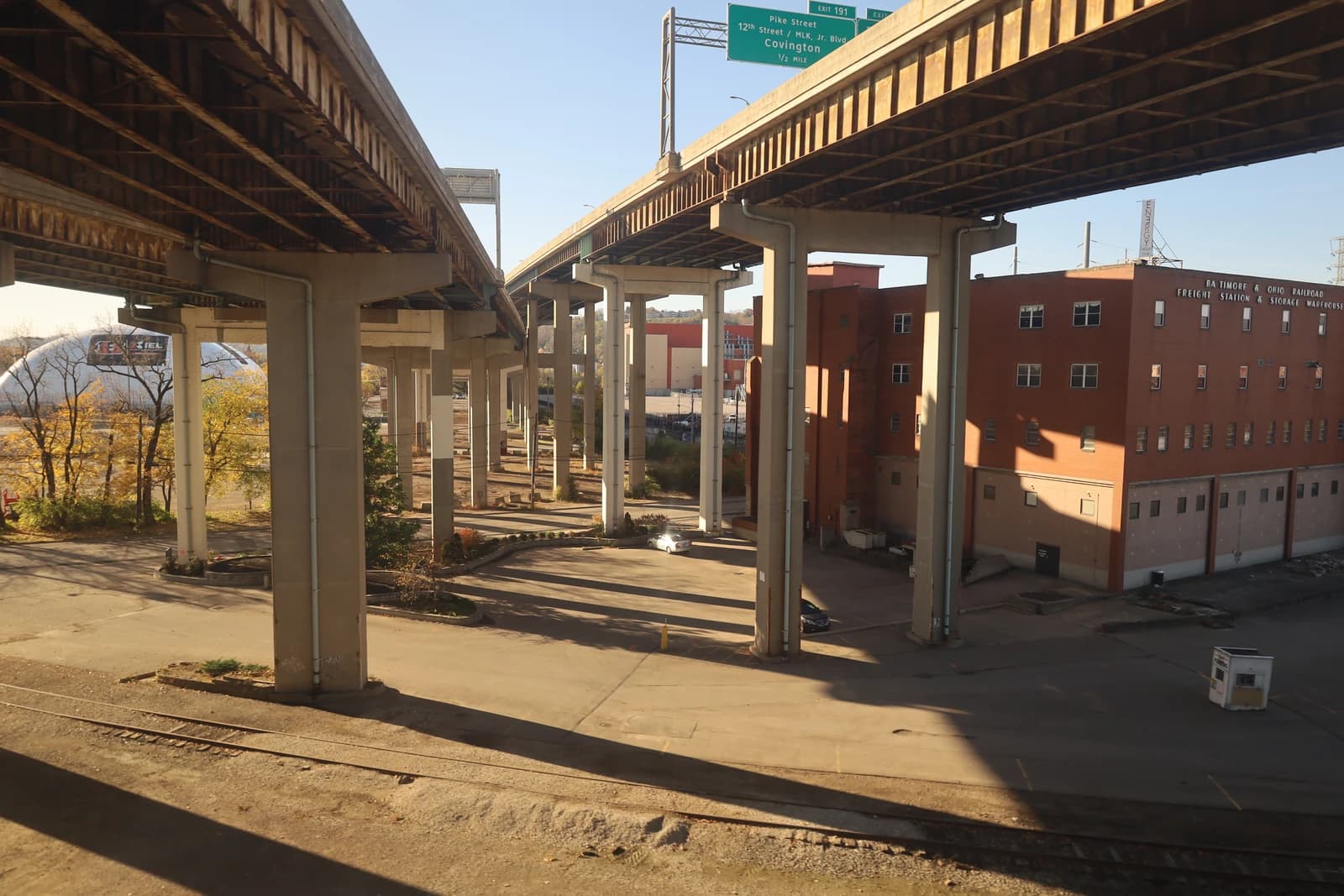
A senior U.S. transportation official is pressing states to copy the financing model used for the Brent Spence Bridge replacement, signaling Washington wants more mega-projects to move from concept to construction faster at a time when the economy is still leaning on infrastructure spending for support.
The push matters because the U.S. is trying to unlock a backlog of rail, road and bridge projects without relying solely on federal appropriations. Public-private financing structures, if scaled, can stretch scarce government dollars further, accelerate construction schedules and reduce the risk that politically popular projects stall for years in permitting and funding limbo.

That has direct economic implications. U.S. GDP is still expanding, with the economy forecast to grow 1.29% in the July quarter after a 1.91% rise in the prior quarter and a 1.41% increase in the first quarter, while industrial production has continued a slow climb through mid-2026. Housing starts, by contrast, remain subdued, suggesting public infrastructure is one of the few construction channels still capable of driving steady demand for materials, labor and engineering services.
For investors, a broader rollout of Brent Spence-style deals would be a tailwind for bridge builders, engineering contractors, concrete and aggregates suppliers, and infrastructure-focused investors looking for long-duration revenue streams. It also matters for listed names tied to highways and water assets, where contract wins can improve backlogs and justify premium valuations when execution is credible.

The Brent Spence project has become a case study because it combines federal support, state coordination and private-sector financing in a way that can be replicated elsewhere. That makes it politically attractive: lawmakers can point to visible progress on aging infrastructure while avoiding the fiscal strain of funding everything outright.
There is still a constraint. The model works best on projects with clear tolling, user-fee or availability-payment economics, and it is less useful where traffic forecasts are uncertain or local opposition is high. Costs can also rise quickly, which means investors will watch whether states can keep project pipelines disciplined rather than simply announce more ambitions.
Still, the message from Washington is clear: if the Brent Spence formula can speed one of the country’s most important bridge replacements, officials want other states to follow suit. For markets, that would keep infrastructure spending in the frame as a durable source of growth even if broader construction activity remains uneven.
| Entity | Gains | Losses |
|---|---|---|
| Bridge builders | ▲More project awards | ▼Execution risk |
| States adopting the model | ▲Faster delivery | ▼Upfront financing burden |
| Federal government | ▲Leverages limited funds | ▼Less direct control |
| Private infrastructure investors | ▲Long-term contract flow | ▼Traffic/revenue uncertainty |