BRICS Financial Plumbing Push Gains Momentum
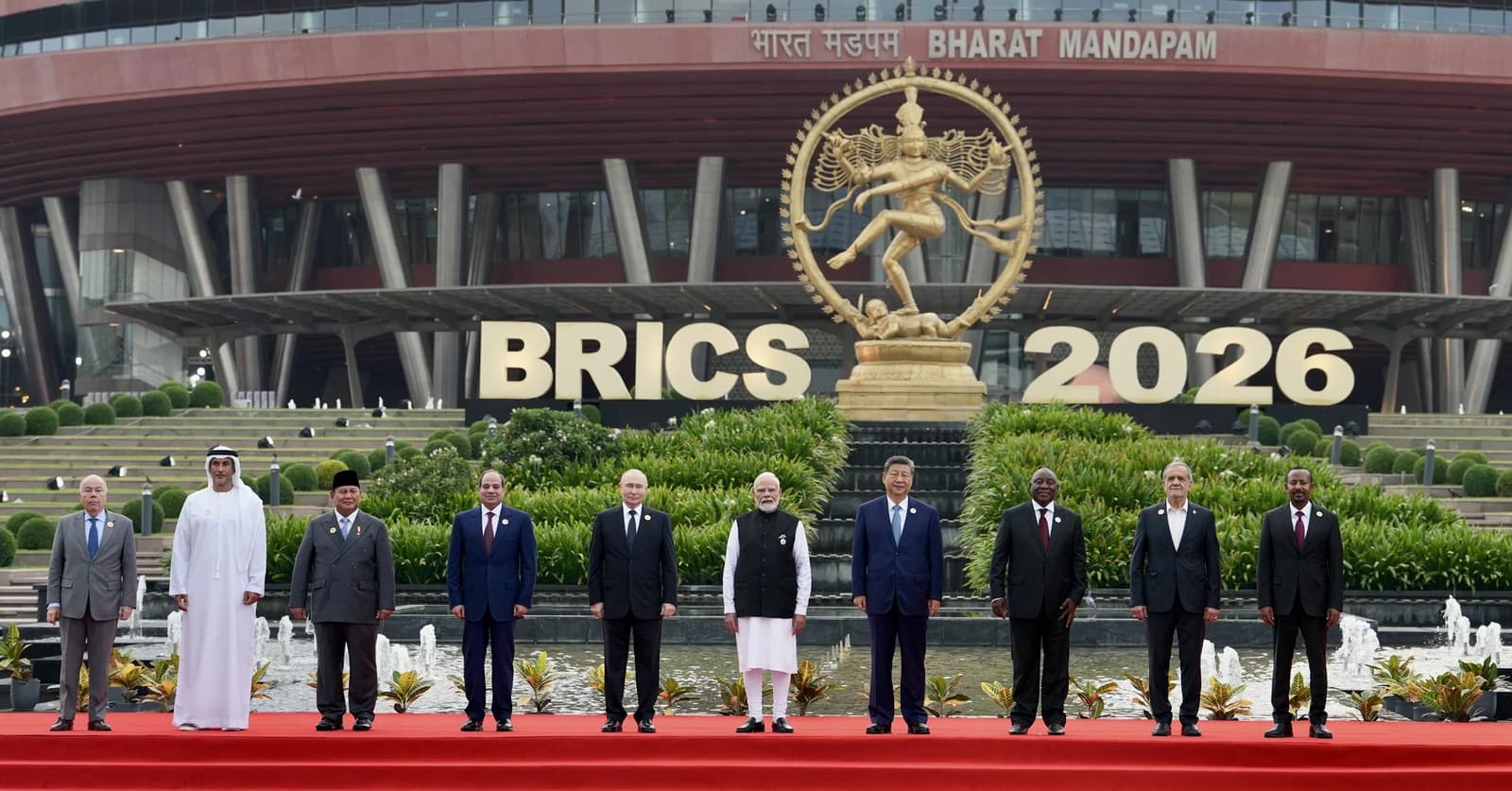
Russia and Iran are pressing BRICS to deepen its financial plumbing at a moment when the bloc is trying to prove it can offer members something more durable than political theater: a way to move money outside the Western-led system.
That matters because payment rails, settlement links and trade finance tools are the infrastructure of trade. If BRICS can make cross-border transactions easier among members, it could gradually reduce frictions for exporters, importers and sanctioned economies, while also giving the bloc more leverage in a world still dominated by the dollar and U.S.-linked financial channels.
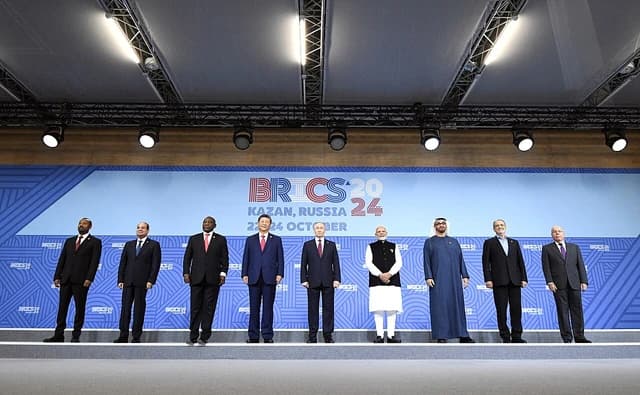
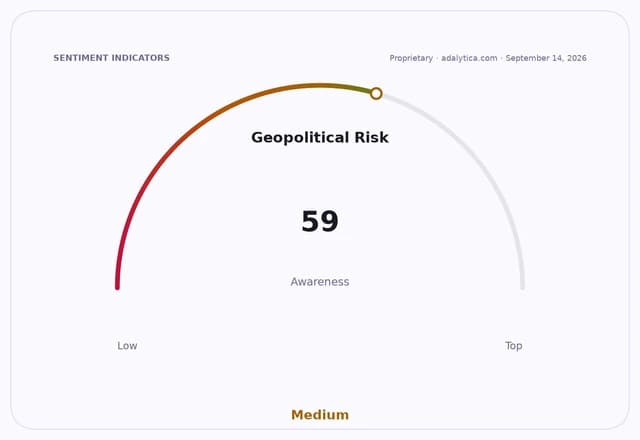
The push comes as geopolitical risk remains elevated across the Middle East and as Washington’s financial influence stays a central concern for Russia and Iran. For investors, the key point is not whether BRICS will dethrone the dollar next year — it almost certainly will not — but whether more countries begin building parallel systems for trade settlement, reserve management and bilateral commerce. That would chip away at the dollar’s monopoly at the margins over time, even if slowly.
The backdrop helps explain why the issue keeps resurfacing. The U.S. dollar remains strong, with Adalytica’s U.S. Dollar Trade Signals showing greed at 80 and sentiment up 78% over the past month, while broader global-stability sentiment has slipped into fear. Gold has also stayed highly sensitive to those tensions, with GLD still well above its 50-day moving average despite recent volatility, a sign that investors continue to seek havens when politics gets messy.
For Russia and Iran, strengthening BRICS financial mechanisms is more than symbolism. Both countries have strong incentives to cut dependence on Western banks and payment systems, especially when sanctions limit access and raise transaction costs. For China, India and other BRICS members, the appeal is more mixed: lower settlement risk and more trade efficiency are attractive, but so is preserving access to dollar liquidity and Western capital markets.
That tension is what makes BRICS finance worth watching. A full-blown alternative to the dollar system is unlikely anytime soon, but even incremental improvements in local-currency settlement, messaging systems or development financing could matter for trade flows, commodity pricing and capital allocation over the long run. Investors should treat the initiative as a slow-burn structural trend rather than a market-moving headline — and keep it on the watchlist, especially in energy, commodities, gold and emerging-market assets.
| Entity | Gains | Losses |
|---|---|---|
| Russia and Iran | ▲less reliance on Western finance | ▼access to dollar system |
| BRICS members | ▲cheaper trade settlement | ▼some dollar-linked flexibility |
| U.S.-led financial system | ▲little near-term disruption | ▼marginal erosion over time |
| Gold and safe havens | ▲stronger demand in risk-off periods | ▼investors seeking dollar safety |